Tropical Smoothies
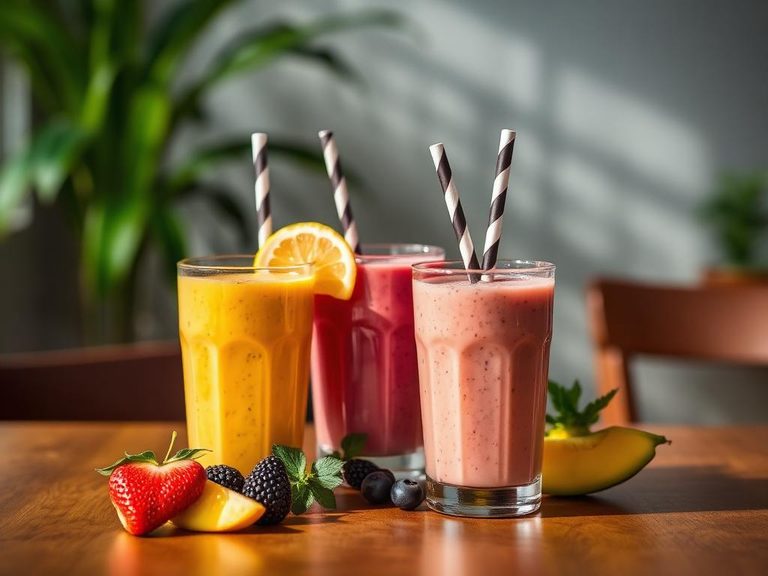
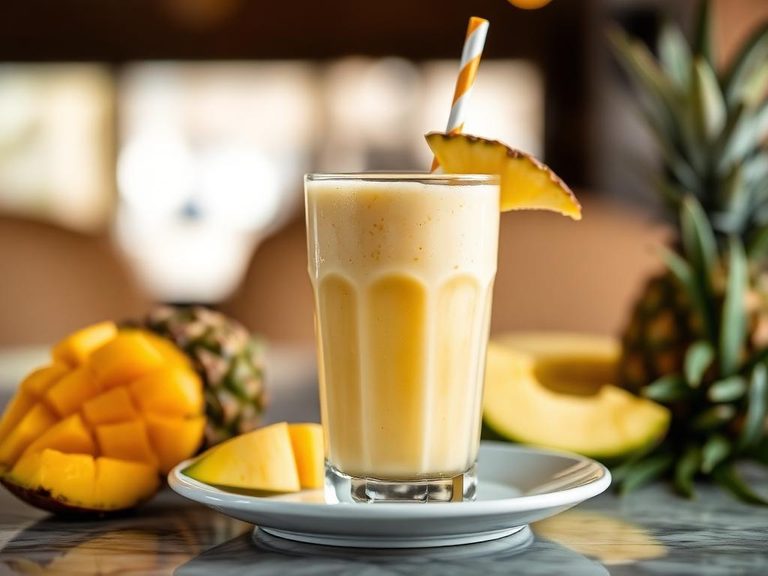
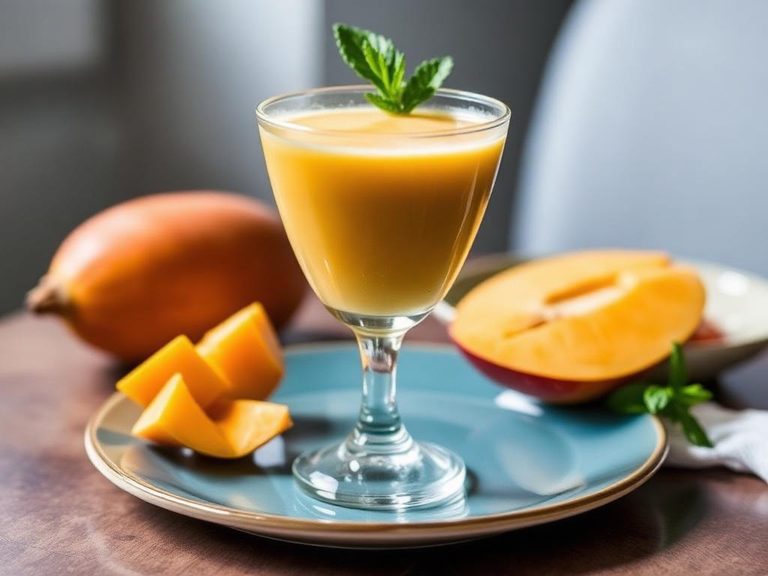
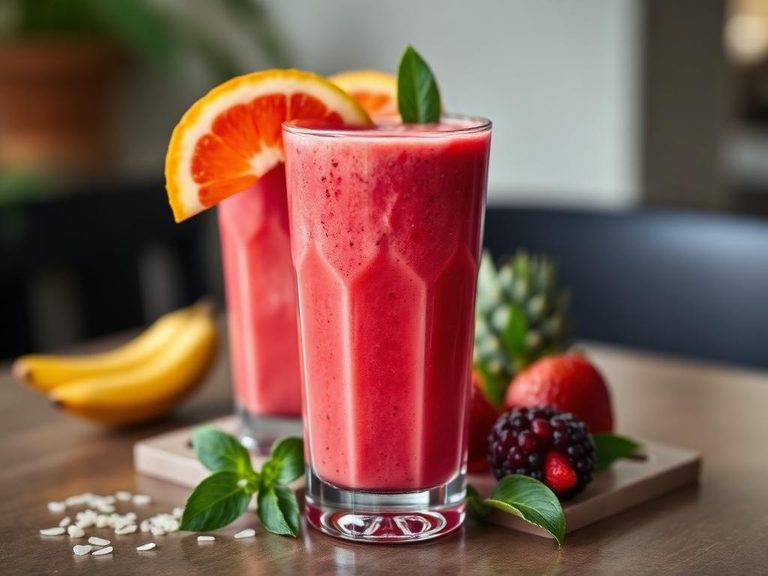
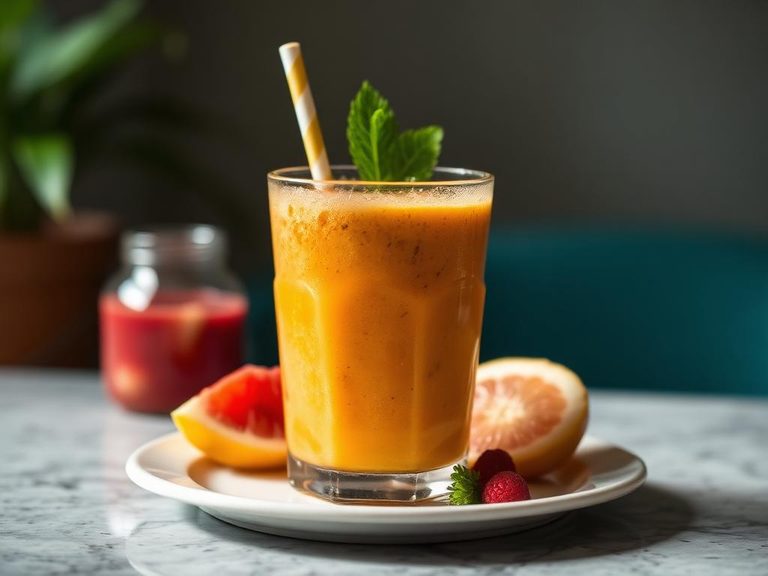
Tropical smoothies are refreshing, blended beverages typically made from a base of tropical fruits like mango, pineapple, banana, and passion fruit, often combined with liquids such as coconut water, fruit juice, or yogurt. Originating from tropical regions where these fruits are abundant, they have become a globally popular health drink and snack, especially in warm climates and wellness-focused cultures.
🍽️ Nutrition at a glance
Tropical smoothies are generally high in natural carbohydrates from fruit sugars, providing quick energy, and are rich in key nutrients like vitamin C, potassium, and dietary fiber. A typical serving can range from 150 to 300 calories, depending on added ingredients like sweeteners, dairy, or protein supplements.
Nutrition breakdown
| Calories | 180 kcal |
| Protein | 3 g |
| Carbs | 40 g |
| Fat | 1.5 g |
| Fiber | 4 g |
| Sugar | 32 g |
| Sodium | 30 mg |
| Vitamin C | 45 mg |
| Potassium | 420 mg |
| Vitamin A | 250 mcg |
| Calcium | 50 mg |
| Iron | 1 mg |
| Magnesium | 35 mg |
| Folate | 60 mcg |
| Vitamin B6 | 0.3 mg |
Per 1 cup (240 g) · estimated, varies by recipe
💡 What's interesting
Culturally, tropical smoothies reflect the abundance of fruit in equatorial regions and are often associated with beachside and vacation lifestyles, symbolizing relaxation and vitality. Nutritionally, they offer a convenient way to consume multiple fruit servings at once, though their natural sugar content means they should be enjoyed mindfully as part of a balanced diet.