Thickening agent for homemade soups

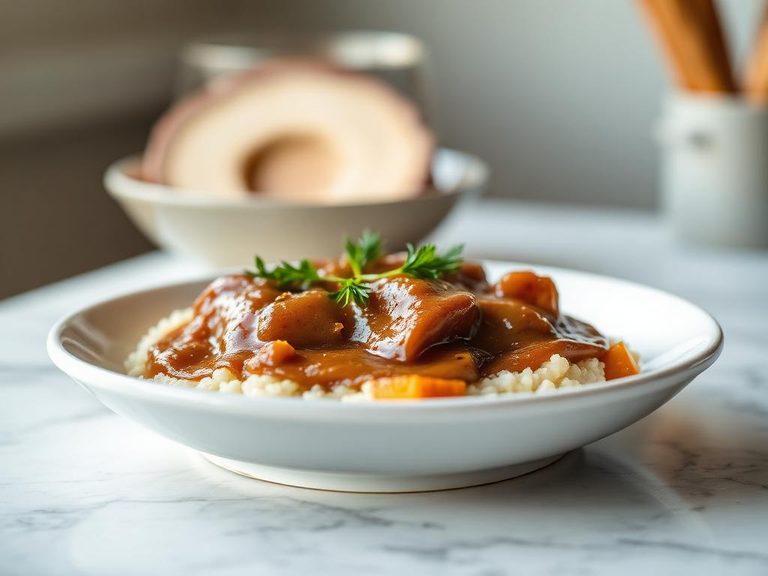
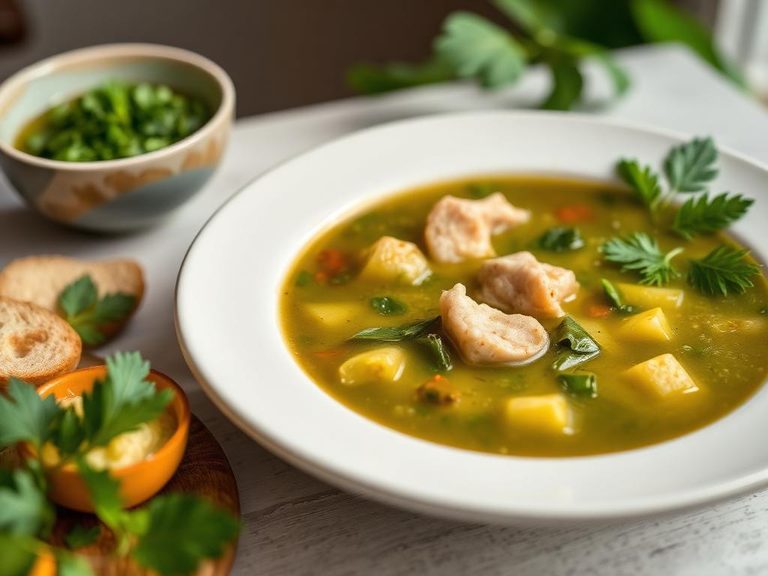
A thickening agent for homemade soups is a culinary technique or ingredient blend used to create a richer, more velvety texture in broths and stews. Common agents include flour-based roux, cornstarch slurries, pureed vegetables, or legumes like lentils and beans. This method is foundational in cuisines worldwide, from French bisques to Chinese congee.
🍽️ Nutrition at a glance
Most thickening agents are carbohydrate-rich, with flour or cornstarch adding calories and starch, while vegetable or legume-based options contribute fiber and plant protein. A typical serving of thickened soup might add 50-100 calories, depending on the agent used, and can enhance nutrient density by incorporating vitamins from pureed vegetables.
Nutrition breakdown
| Calories | 30 kcal |
| Protein | 0.5 g |
| Carbs | 7 g |
| Fat | 0 g |
| Fiber | 0 g |
| Sugar | 0 g |
| Sodium | 0 mg |
| Iron | 0.5 mg |
| Calcium | 10 mg |
| Potassium | 15 mg |
Per 1 tablespoon (8 g) · estimated, varies by recipe
💡 What's interesting
Culturally, thickening techniques often reflect regional ingredients—such as using rice flour in Asian soups or bread in European ones—showcasing culinary adaptation. Nutritionally, choosing vegetable or legume-based thickeners can transform a simple broth into a more satiating, nutrient-dense meal without relying on fats or refined starches.