Thickening agent for soups or stews
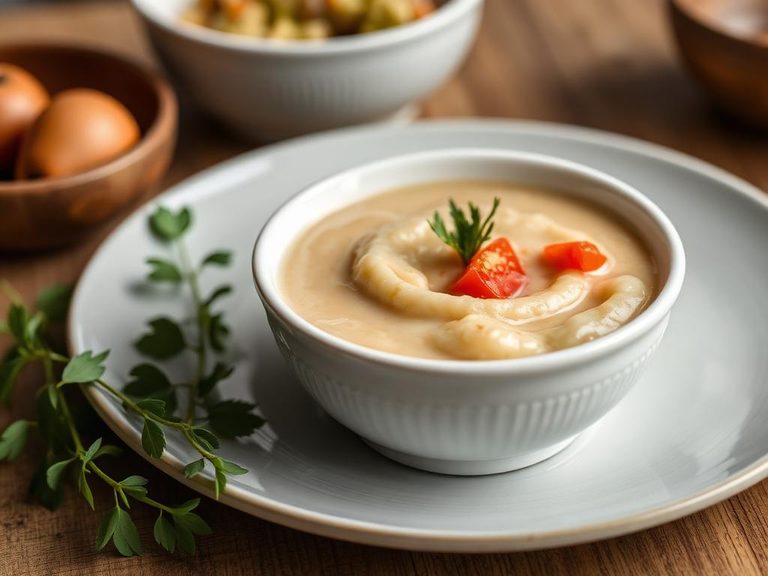
A thickening agent for soups or stews is a substance used to increase the viscosity and create a richer, more cohesive texture in liquid-based dishes. Common examples include a roux (a cooked mixture of fat and flour), cornstarch slurries, or pureed vegetables like potatoes or beans. These agents are fundamental in cuisines worldwide, from French sauces to Asian gravies and hearty American stews.
🍽️ Nutrition at a glance
Depending on the base, these agents are typically high in carbohydrates (from flour, starch, or vegetables) and can add fat if using a roux. They primarily provide energy (calories) and, if made from whole foods like legumes or root vegetables, can contribute dietary fiber and essential minerals like potassium.
Nutrition breakdown
| Calories | 100 kcal |
| Protein | 2 g |
| Carbs | 8 g |
| Fat | 7 g |
| Fiber | 1 g |
| Sugar | 0 g |
| Sodium | 0 mg |
| Iron | 1.2 mg |
| Thiamin (B1) | 0.1 mg |
| Niacin (B3) | 1.5 mg |
| Folate | 25 mcg |
| Selenium | 4 mcg |
| Manganese | 0.4 mg |
Per 2 tablespoons (about 30 g) of a basic all-purpose flour roux (equal parts flour and fat) · estimated, varies by recipe
💡 What's interesting
The use of thickening agents is a universal culinary technique, but the choice often defines a dish's cultural identity—like the dark roux in a Cajun gumbo or the cornstarch slurry in a Chinese stir-fry sauce. Nutritionally, they transform a simple broth into a more satiating and calorically dense meal.
🍽️ Related dishes
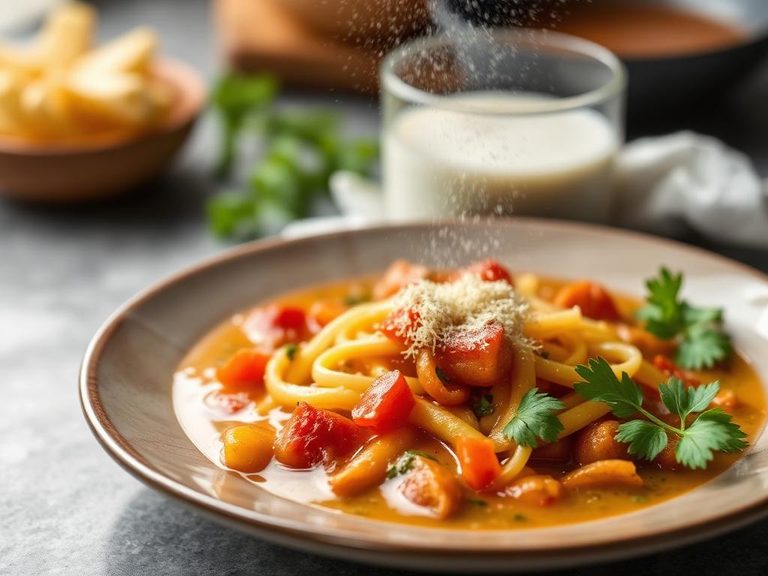 Thickening agent for soups and stews
 Thickening agent for homemade soups
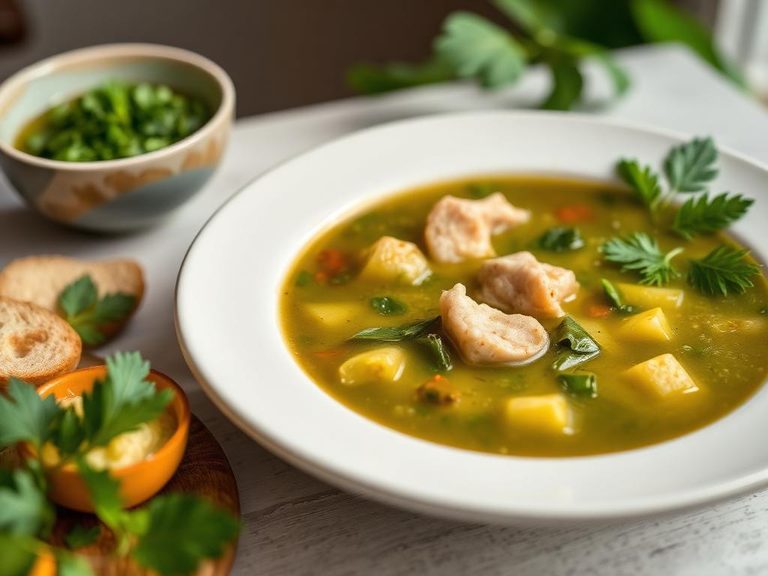 In soups and stews as a thickening green
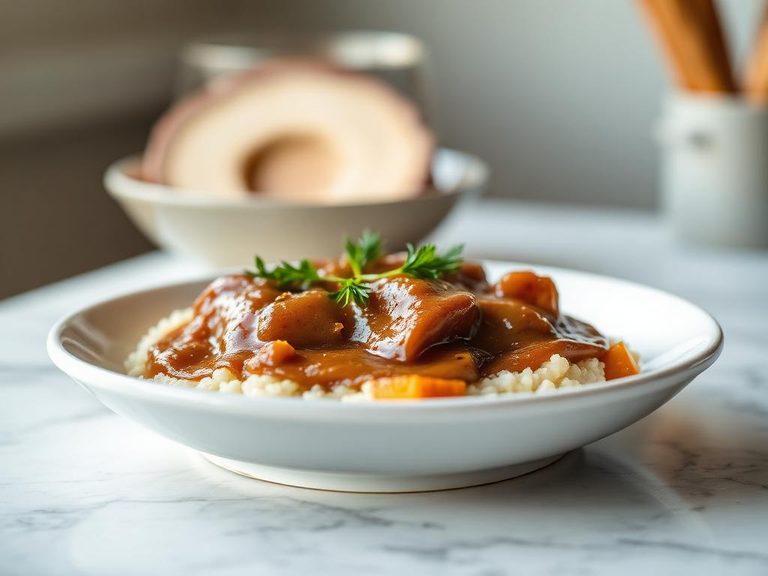 Thickening agent for gravies and sauces
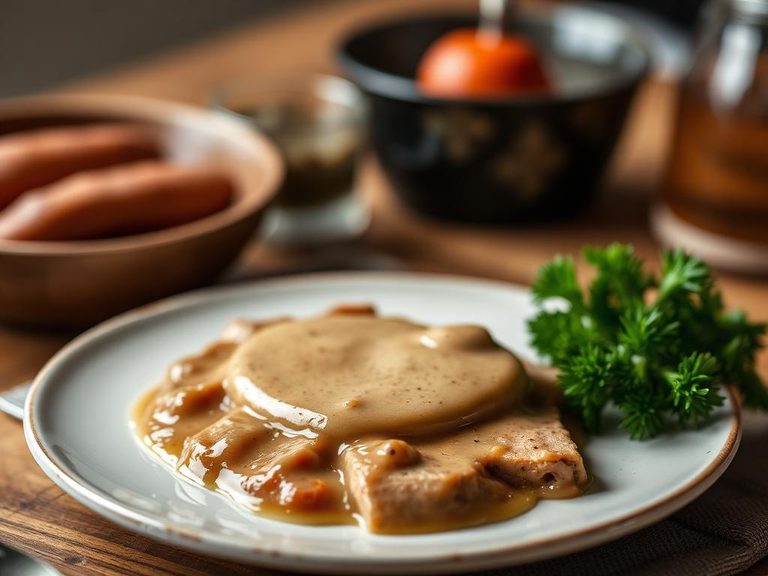 Thickening Agent for Gravy
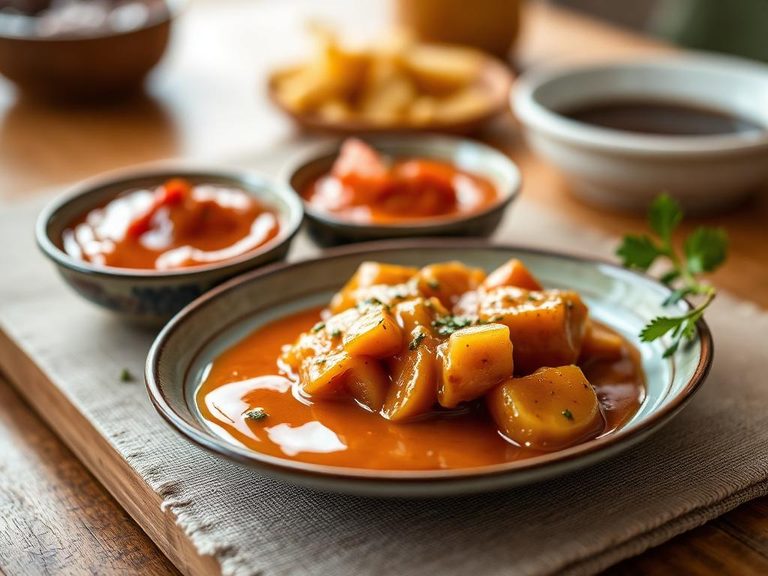 Thickening agent for sauces and gravies
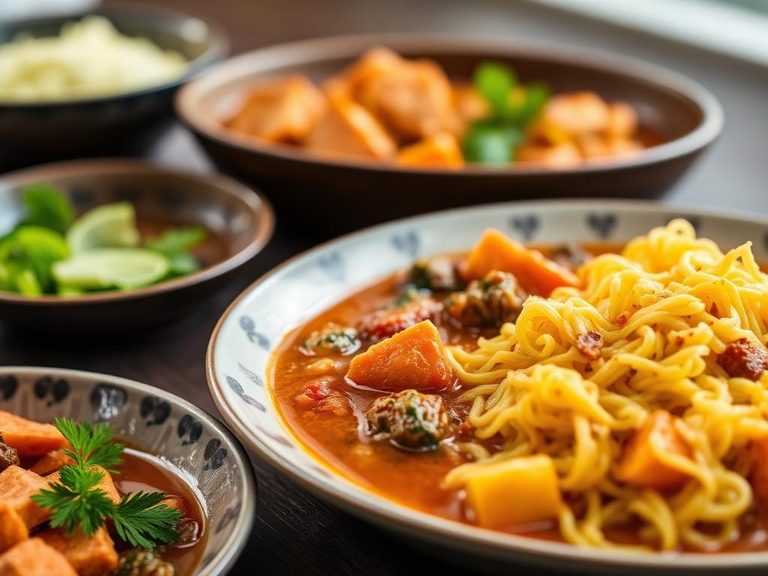 Added to stews or curries for thickening and sweetness
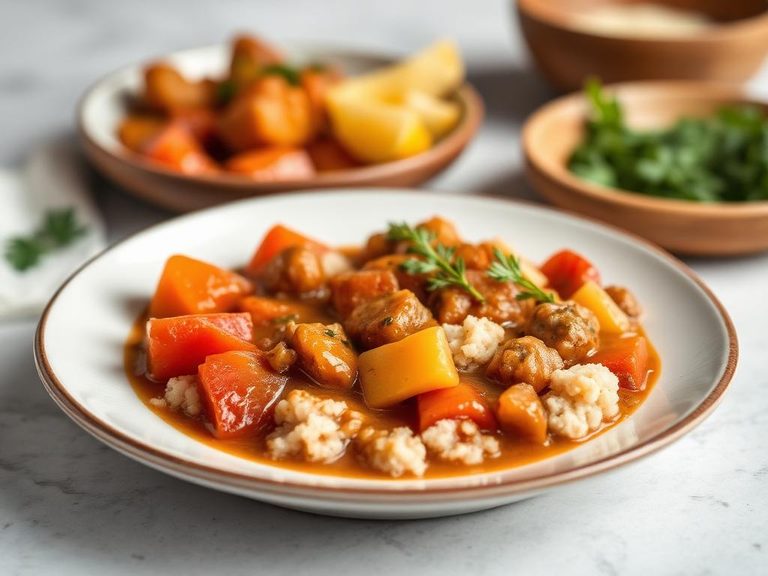 Thickening for stews and gravies