

Tea-time snack
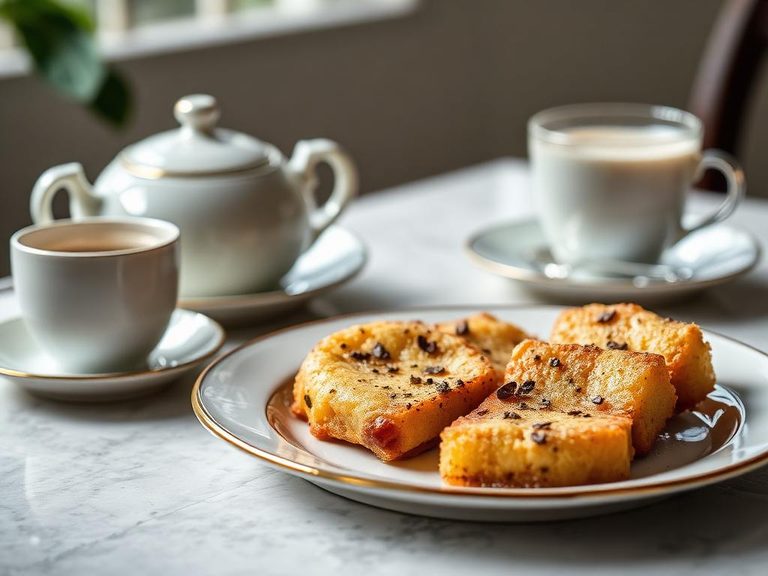
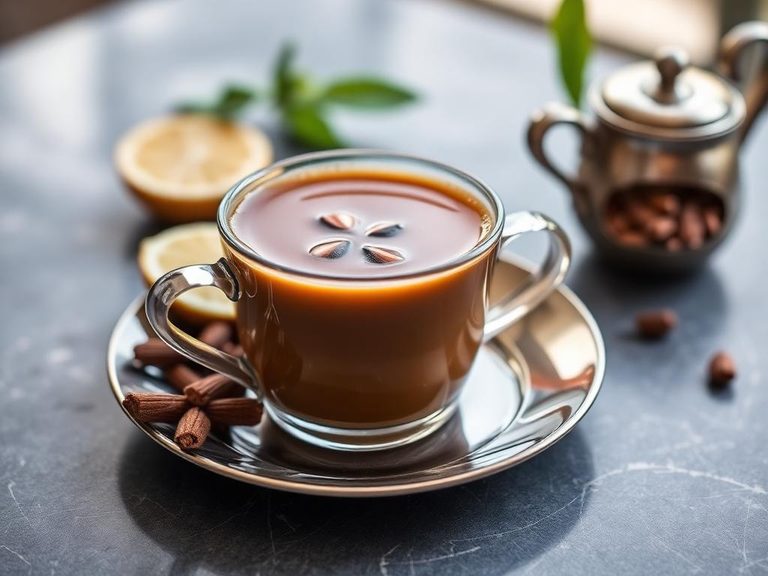
A 'Tea-time snack' is a broad category of light, savory or sweet bites traditionally enjoyed alongside a cup of tea, often in the late afternoon. Common examples include biscuits, scones, samosas, or finger sandwiches, typically made with flour, butter, sugar, and spices. This tradition is particularly popular in the United Kingdom, India, and various Middle Eastern and Asian cultures.
🍽️ Nutrition at a glance
These snacks are generally high in carbohydrates and fats, with a moderate amount of protein, providing a quick energy boost. A typical serving can range from 150 to 300 calories, depending on whether it's a sweet pastry or a savory fried item.
Nutrition breakdown
| Calories | 320 kcal |
| Protein | 4.5 g |
| Carbs | 42 g |
| Fat | 15 g |
| Fiber | 2 g |
| Sugar | 18 g |
| Sodium | 280 mg |
| Iron | 2.1 mg |
| Calcium | 95 mg |
| Potassium | 180 mg |
| Magnesium | 22 mg |
| Phosphorus | 85 mg |
| Vitamin B1 (Thiamin) | 0.15 mg |
| Vitamin B2 (Riboflavin) | 0.12 mg |
| Niacin (Vitamin B3) | 1.8 mg |
Per 1 typical serving (approx. 80 g, e.g., a small plate with a mix of 2-3 items like a scone, a few biscuits, and a small pastry) · estimated, varies by recipe
💡 What's interesting
The ritual of tea-time snacks is a significant social and cultural practice, often serving as a moment for community gathering and relaxation. Nutritionally, they are designed to be light enough not to spoil a main meal while offering a comforting, energy-dense treat.
🍽️ Related dishes



AI estimate may be inaccurate · Terms