Sturgeon jerky
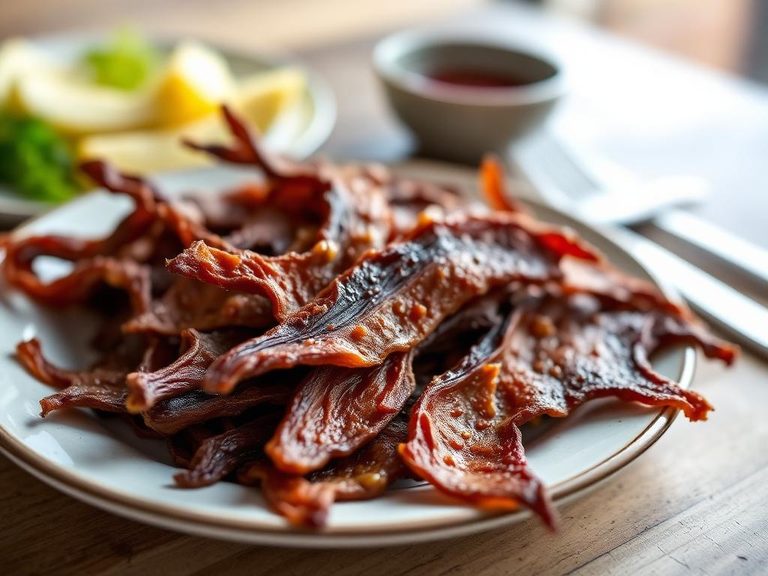
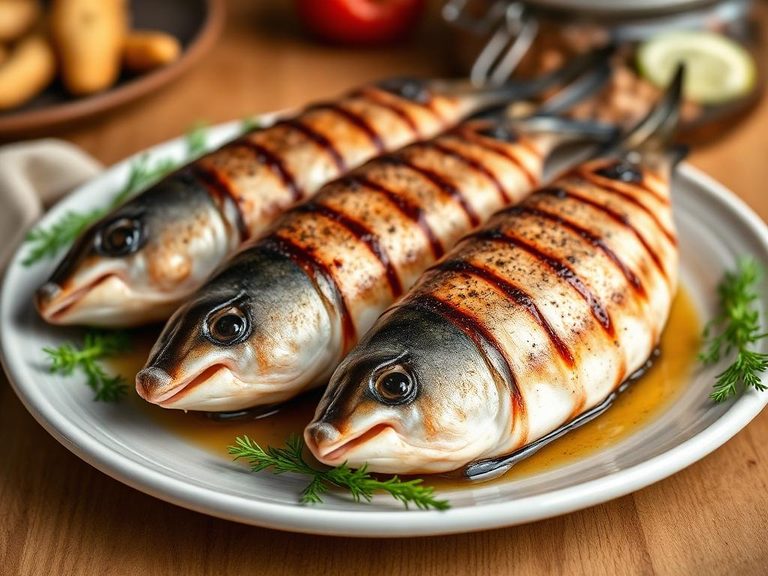
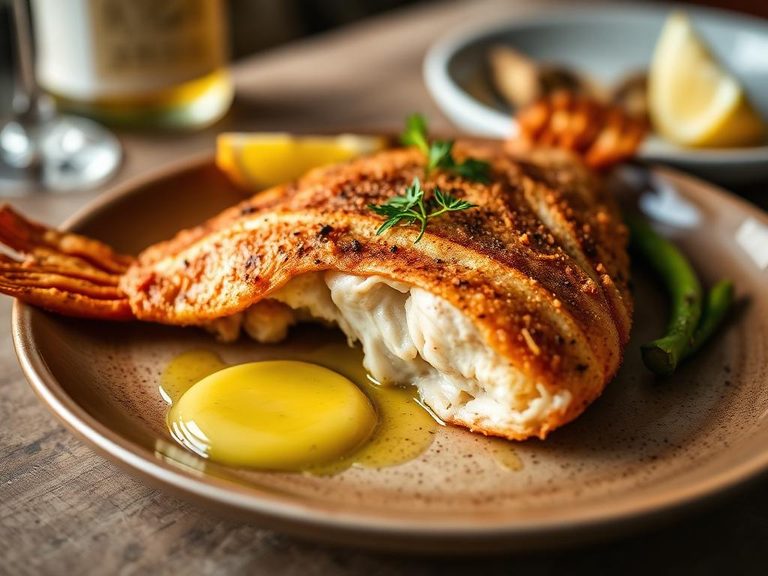
Sturgeon jerky is a savory, chewy dried snack made from the meat of sturgeon, a large, ancient fish. It's typically seasoned with salt, spices, and sometimes a hint of smoke or soy sauce before being dehydrated. This specialty jerky is often associated with regions where sturgeon is harvested, such as the Caspian Sea area, the Pacific Northwest of North America, and parts of Eastern Europe.
🍽️ Nutrition at a glance
Sturgeon jerky is an extremely high-protein, low-carbohydrate food, making it a dense source of lean protein and essential minerals. A typical serving provides a substantial amount of protein with minimal fat and virtually no carbs, offering a calorie ballpark of 100-150 kcal per ounce (28g).
Nutrition breakdown
| Calories | 120 kcal |
| Protein | 22 g |
| Carbs | 1 g |
| Fat | 3 g |
| Fiber | 0 g |
| Sugar | 0 g |
| Sodium | 450 mg |
| Selenium | 22 mcg |
| Phosphorus | 180 mg |
| Niacin (B3) | 4.5 mg |
| Vitamin B12 | 2.1 mcg |
| Potassium | 250 mg |
| Magnesium | 30 mg |
| Omega-3 (EPA+DHA) | ~200 mg |
| Zinc | 1.2 mg |
Per 1 ounce (28 g) · estimated, varies by recipe
💡 What's interesting
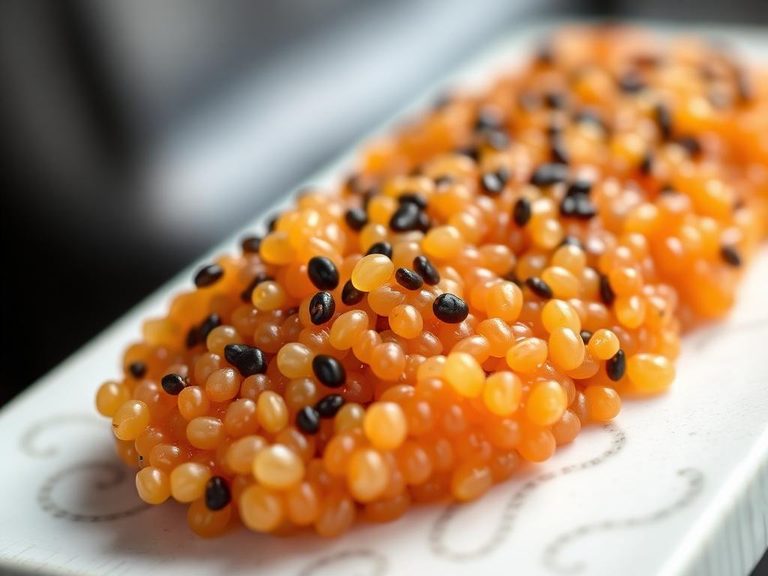
Sturgeon is a prehistoric fish that has existed for over 200 million years, and its roe is the source of true caviar. Nutritionally, sturgeon meat is prized for being rich in omega-3 fatty acids and high-quality protein, which are preserved in the jerky form, making it a nutrient-dense, portable snack.