Steamed Hunan Beef
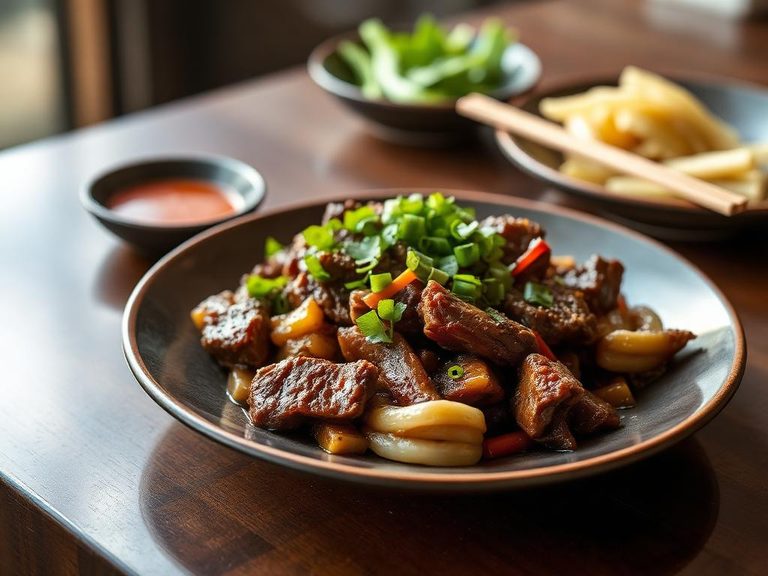
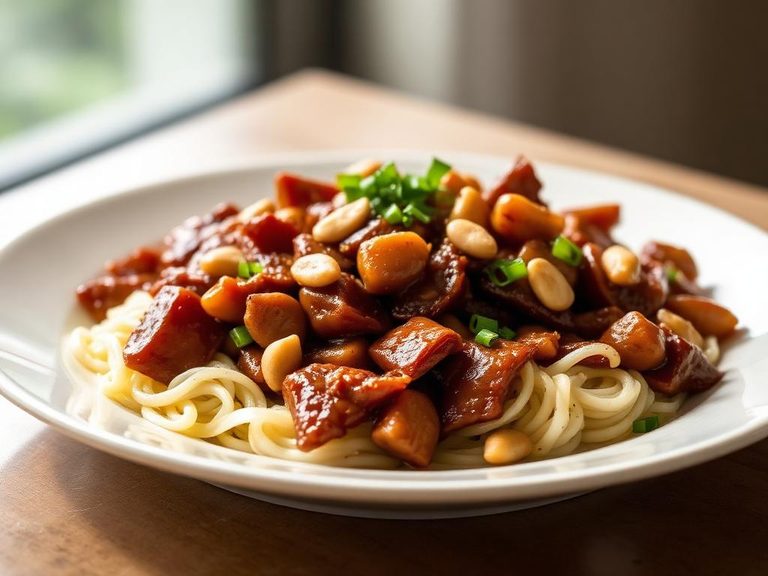
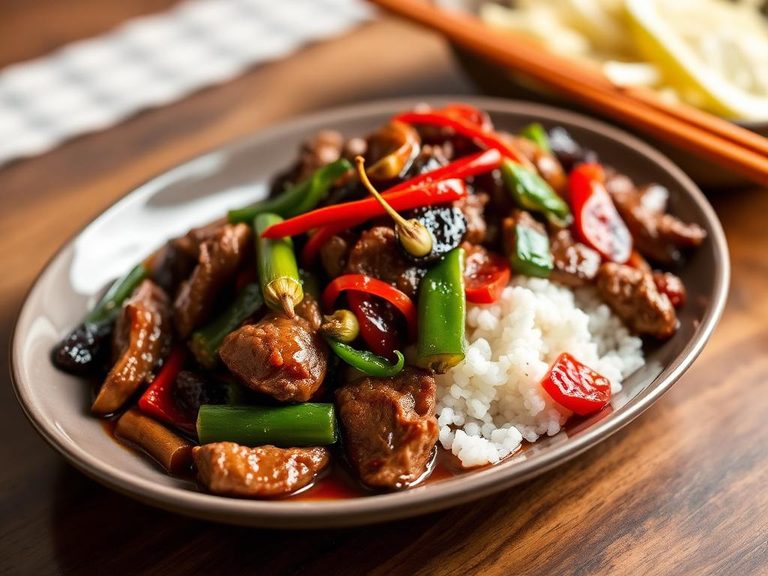
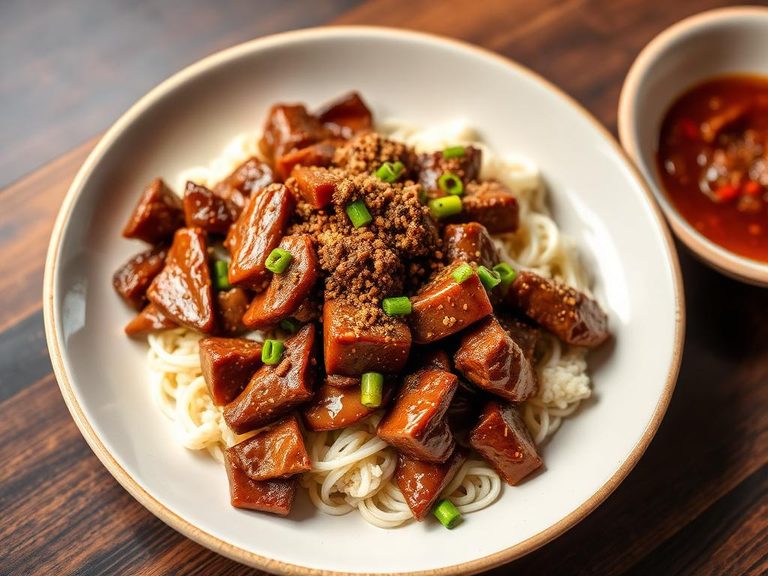
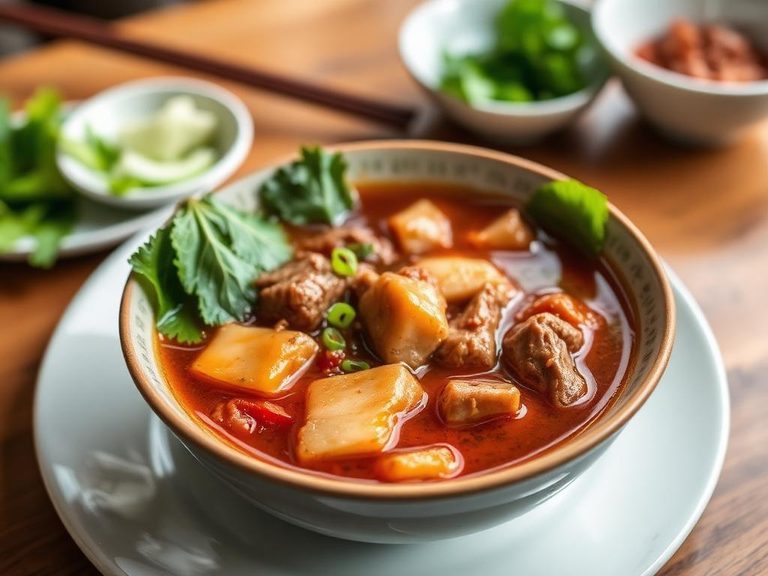
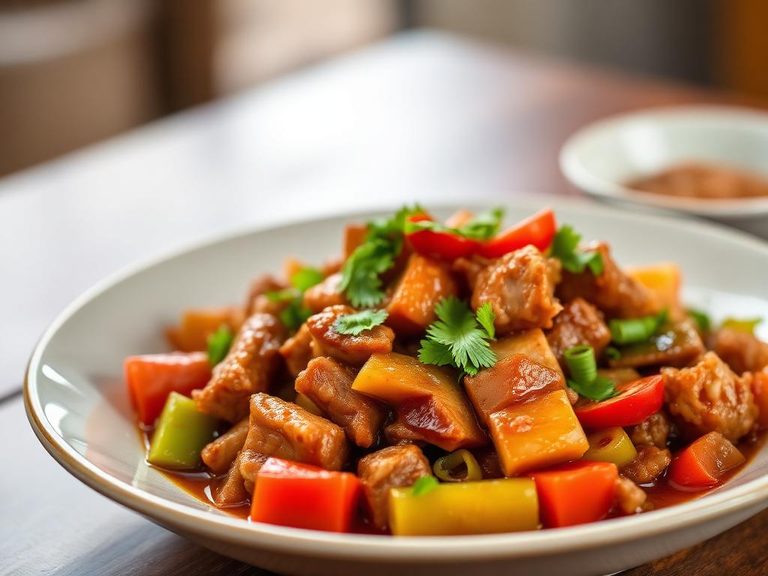
Steamed Hunan Beef is a traditional savory dish from China's Hunan province, featuring tender slices of beef typically marinated and steamed with a blend of aromatic ingredients. Common components include beef, fermented black beans, garlic, ginger, chili peppers, and sometimes rice flour or cornstarch for coating. It's a staple in Hunan cuisine, known for its bold, spicy, and slightly fermented flavors.
🍽️ Nutrition at a glance
This dish is high in protein from the beef, with moderate fat content depending on the cut used, and is generally low in carbohydrates unless rice flour is added. It provides key nutrients like iron, zinc, and B vitamins from the beef, along with antioxidants from the chili peppers and garlic. A typical serving might range from 250 to 350 calories, making it a relatively balanced and satisfying meal option.
Nutrition breakdown
| Calories | 280 kcal |
| Protein | 28 g |
| Carbs | 8 g |
| Fat | 15 g |
| Fiber | 2 g |
| Sugar | 3 g |
| Sodium | 750 mg |
| Iron | 4.5 mg |
| Zinc | 6.2 mg |
| Vitamin B12 | 2.8 µg |
| Potassium | 380 mg |
| Phosphorus | 220 mg |
| Niacin (B3) | 8.5 mg |
| Vitamin B6 | 0.6 mg |
| Selenium | 32 µg |
Per 1 serving (250 g) · estimated, varies by recipe
💡 What's interesting
Culturally, steaming is a cooking method in Hunan that preserves the beef's natural juices and allows the spices to infuse deeply, reflecting the region's emphasis on bold, layered flavors without heavy frying. Nutritionally, the use of fermented black beans adds a probiotic element and umami depth, which can enhance digestion and reduce the need for excessive salt, making it a flavorful yet health-conscious choice in traditional Chinese cooking.