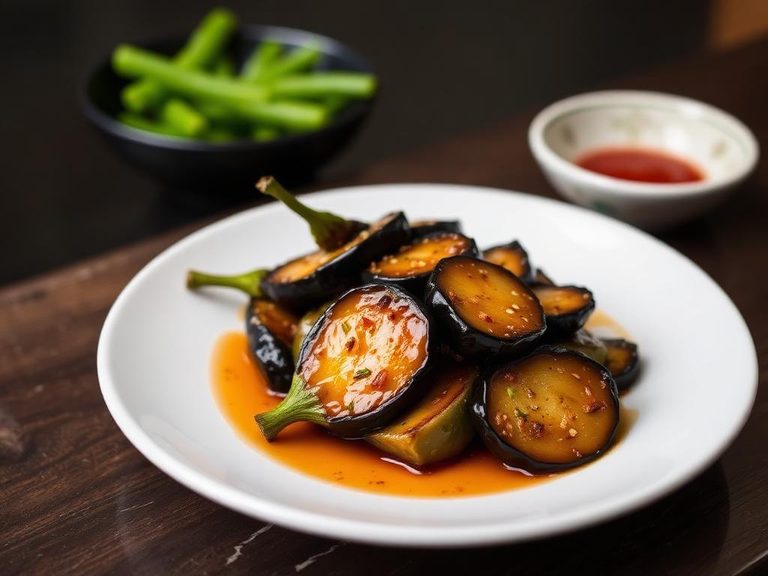
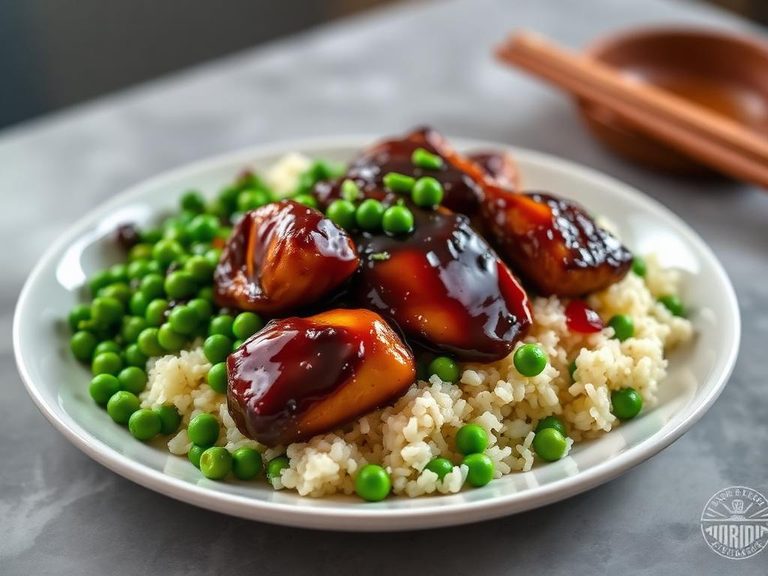
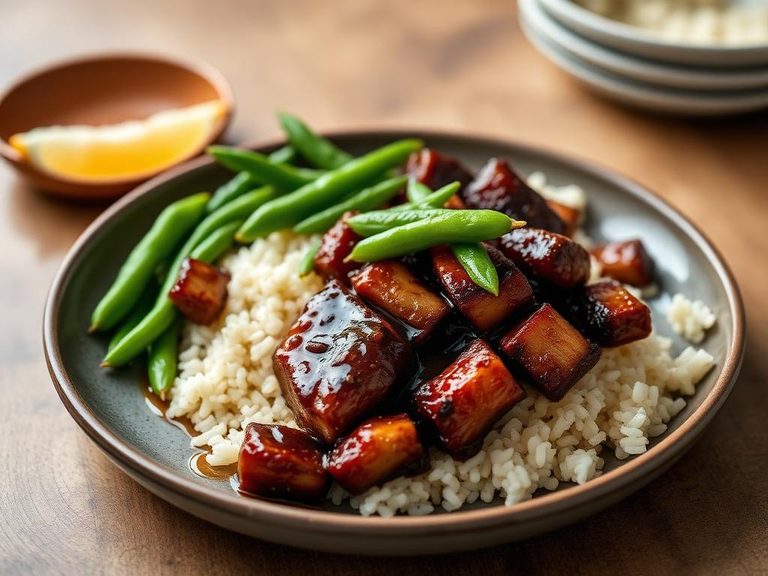
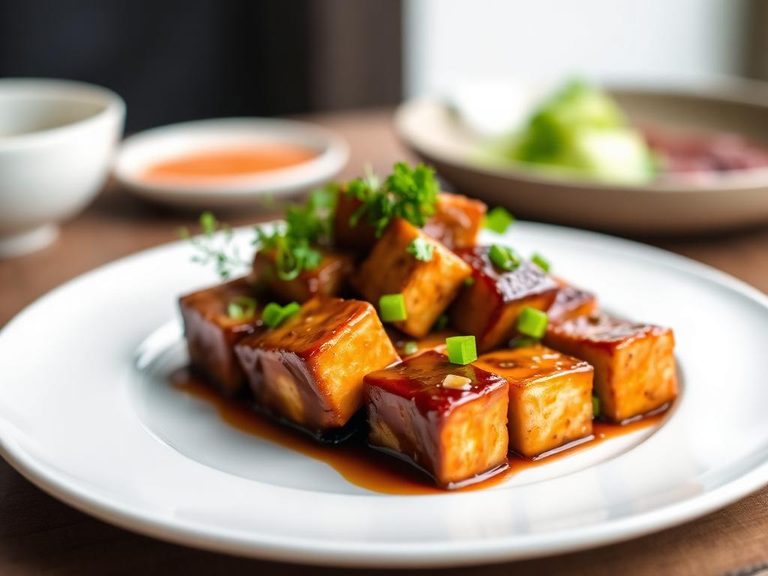
Soy-glazed eggplant
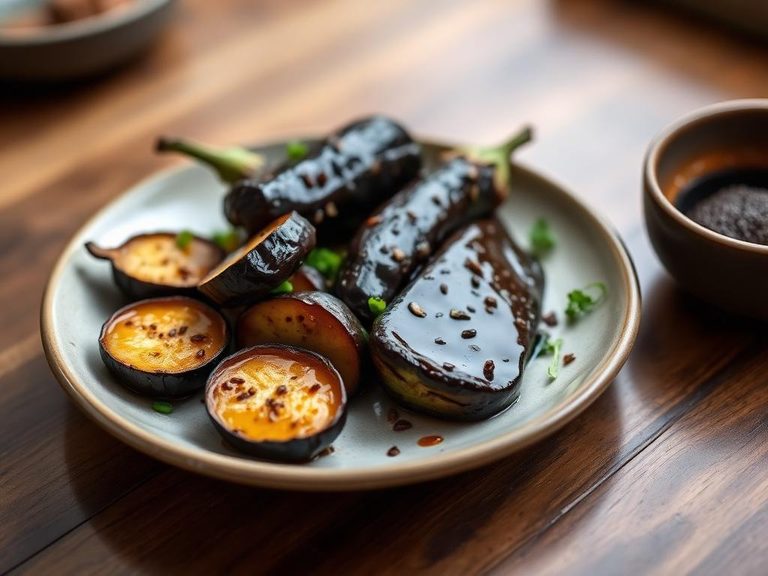
Soy-glazed eggplant is a popular East Asian dish, particularly in Chinese and Japanese cuisines, featuring tender eggplant pieces stir-fried or braised in a savory-sweet sauce made from soy sauce, sugar, and often garlic or ginger. The dish is known for its glossy, caramelized coating and melt-in-your-mouth texture, making it a beloved vegetable side or main course.
🍽️ Nutrition at a glance
This dish is generally moderate in carbohydrates from the eggplant and sugar in the glaze, with minimal protein and some fat from cooking oil. It provides dietary fiber, antioxidants like nasunin from the eggplant skin, and key nutrients such as potassium and vitamin C, with a typical serving containing around 150-250 calories depending on preparation.
Nutrition breakdown
| Calories | 180 kcal |
| Protein | 3 g |
| Carbs | 22 g |
| Fat | 10 g |
| Fiber | 6 g |
| Sugar | 12 g |
| Sodium | 450 mg |
| Potassium | 400 mg |
| Manganese | 0.5 mg |
| Folate | 30 mcg |
| Vitamin K | 10 mcg |
| Vitamin C | 5 mg |
| Magnesium | 25 mg |
| Iron | 1.2 mg |
| Copper | 0.2 mg |
Per 1 cup (200 g) · estimated, varies by recipe
💡 What's interesting
Culturally, soy-glazed eggplant showcases the umami-rich flavor profile central to many Asian cuisines, where eggplant is prized for its ability to absorb sauces and create a satisfying, almost meat-like texture. Nutritionally, eggplant is low in calories but high in fiber and antioxidants, making this dish a flavorful way to incorporate vegetables into meals while offering potential benefits for heart health and digestion.