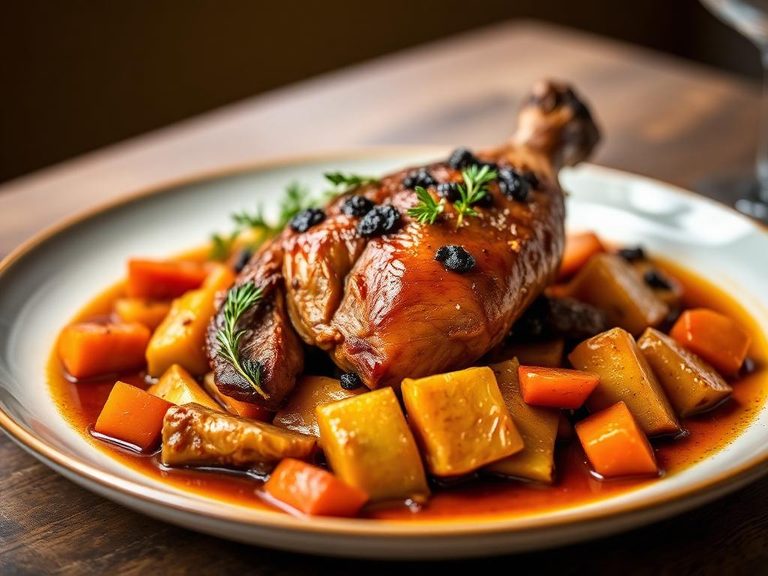
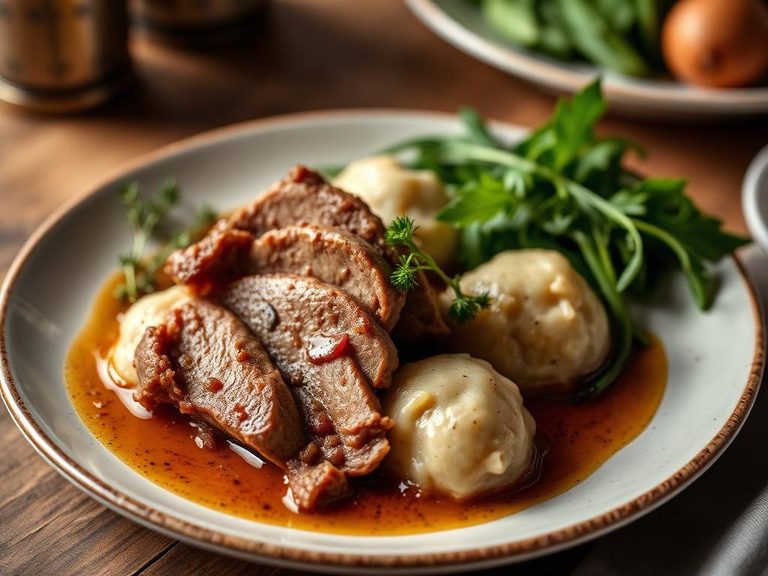
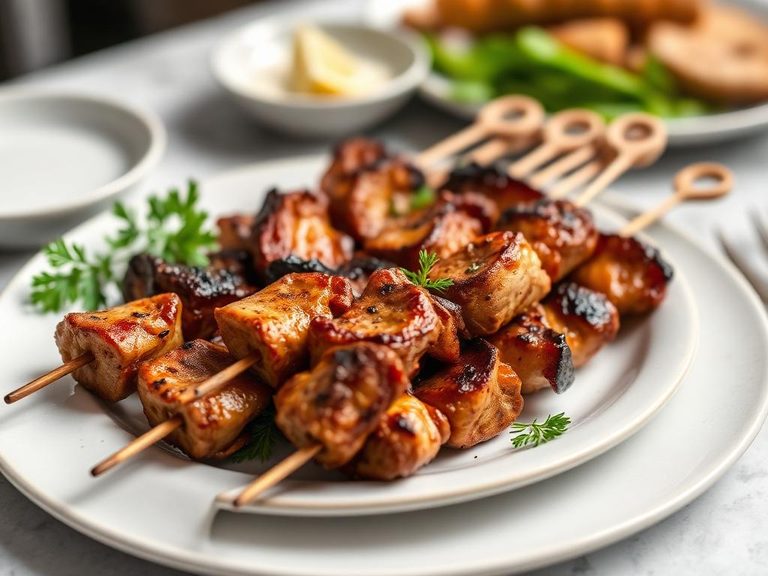
Smoked Pheasant Legs
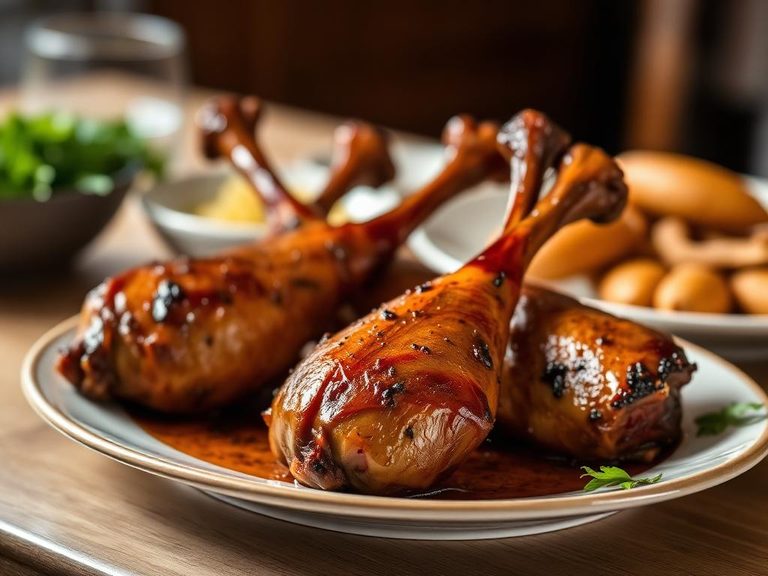
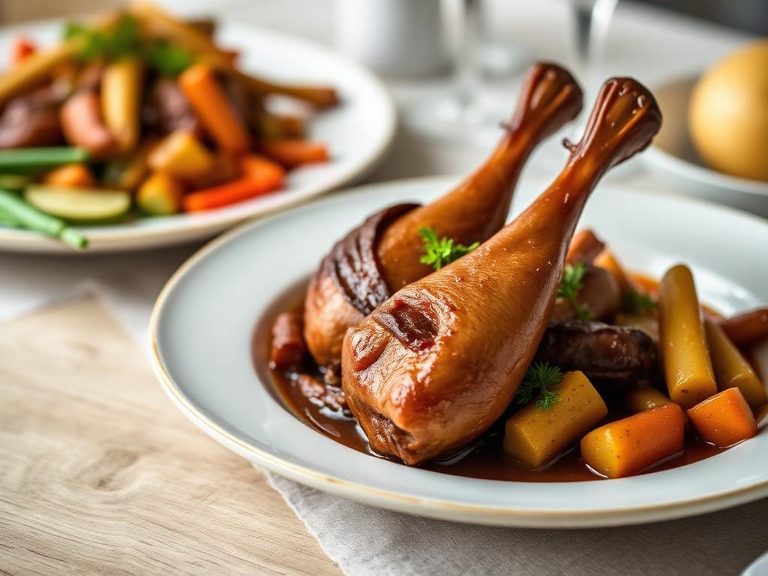
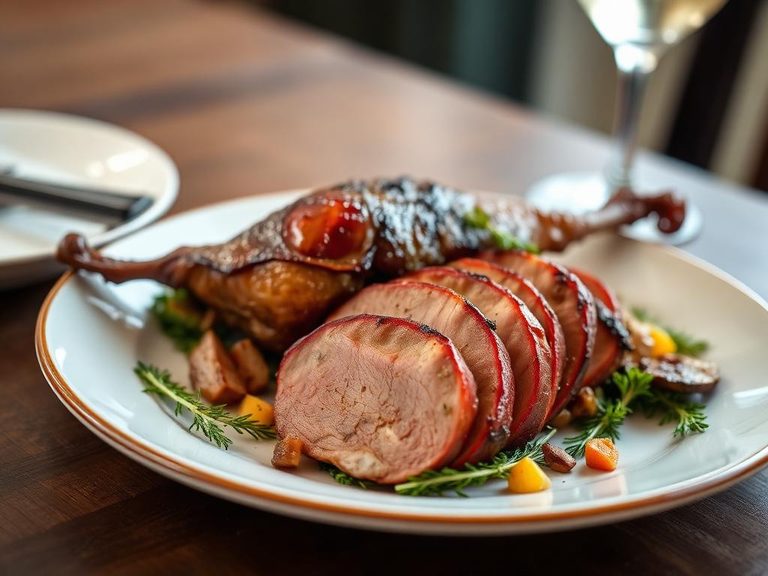
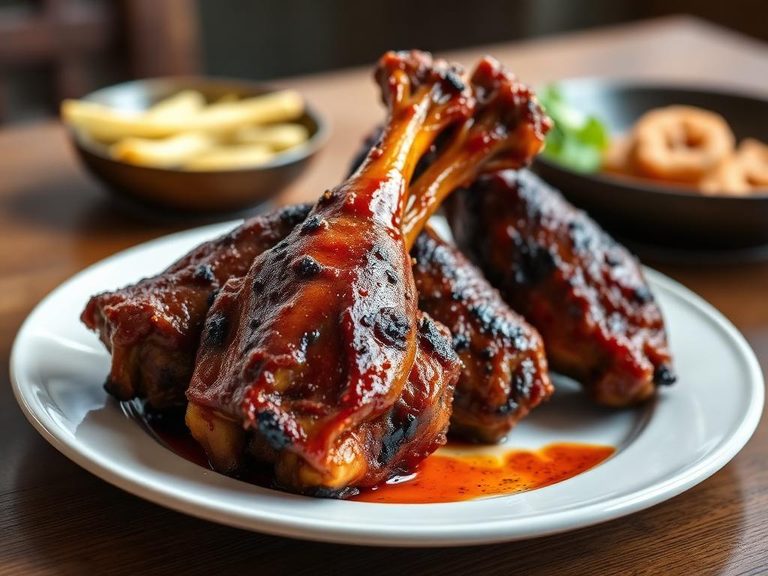
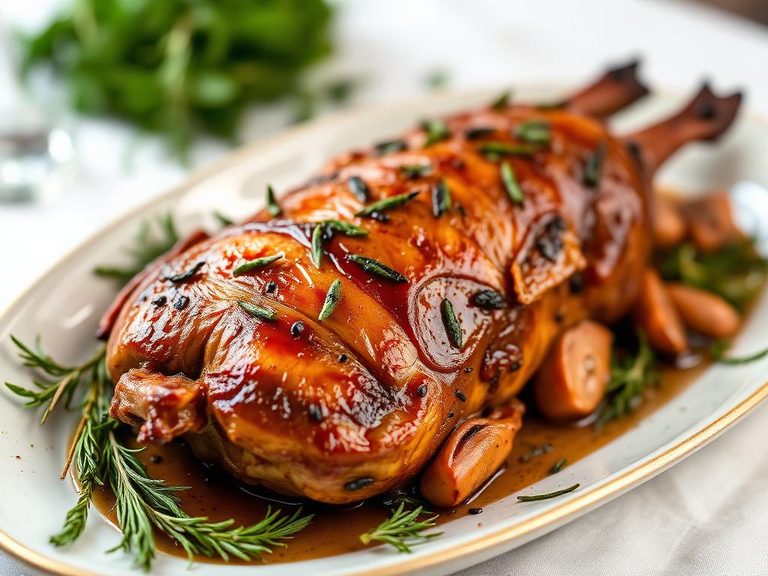
Smoked pheasant legs are a savory, aromatic dish made by curing and slow-smoking the legs of pheasant, a game bird. The process typically involves a brine or dry rub with salt, sugar, and spices like juniper or black pepper, followed by smoking over wood chips such as apple or cherry. This preparation is a traditional method in European and North American game cuisine, often enjoyed as a rustic appetizer or part of a charcuterie board.
🍽️ Nutrition at a glance
Smoked pheasant legs are a high-protein, low-carbohydrate food, providing essential nutrients like iron and B vitamins. A typical serving contains roughly 200-250 calories, with most energy coming from protein and a moderate amount of fat.
Nutrition breakdown
| Calories | 220 kcal |
| Protein | 32 g |
| Carbs | 1 g |
| Fat | 10 g |
| Fiber | 0 g |
| Sugar | 0 g |
| Sodium | 680 mg |
| Iron | 2.5 mg |
| Niacin (B3) | 8 mg |
| Vitamin B6 | 0.6 mg |
| Phosphorus | 250 mg |
| Zinc | 2 mg |
| Potassium | 320 mg |
| Selenium | 22 mcg |
| Riboflavin (B2) | 0.3 mg |
Per 2 legs (about 150 g) · estimated, varies by recipe
💡 What's interesting
Culturally, smoking pheasant legs is a centuries-old preservation technique that enhances the bird's natural gamey flavor while extending its shelf life. Nutritionally, pheasant is leaner than many domestic poultry, offering a rich source of protein with less saturated fat.