Smoked Pheasant
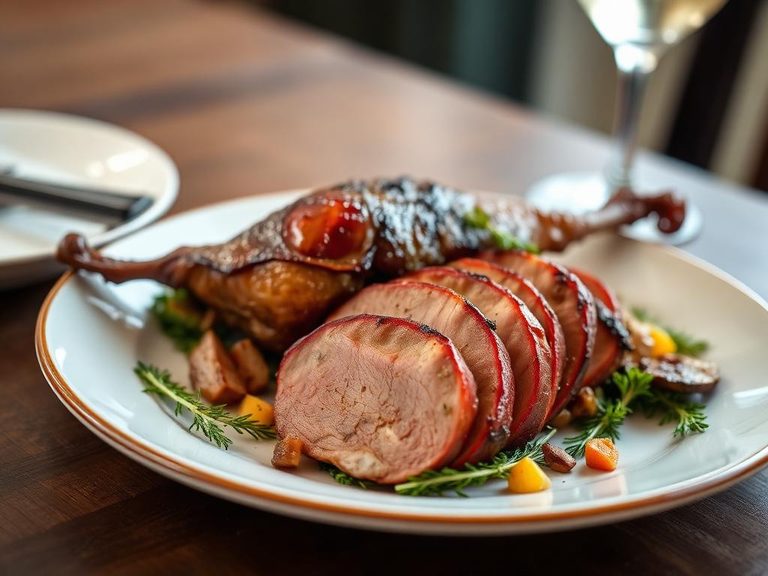
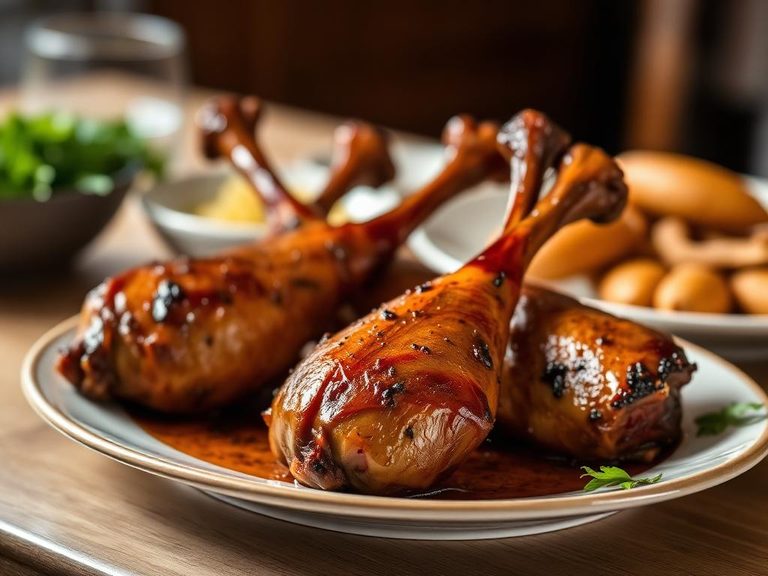
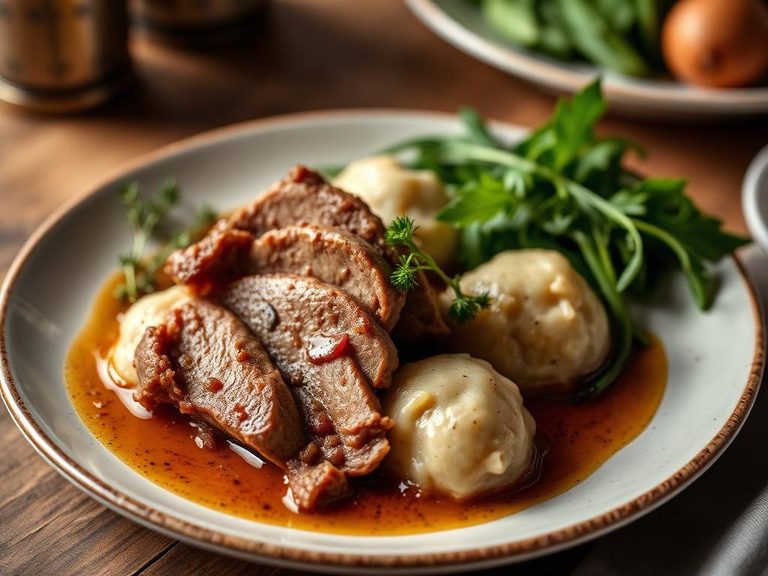
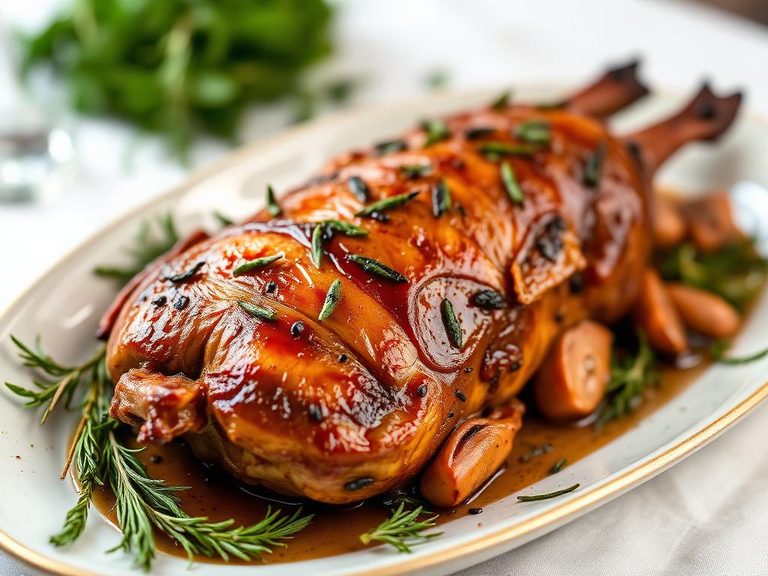
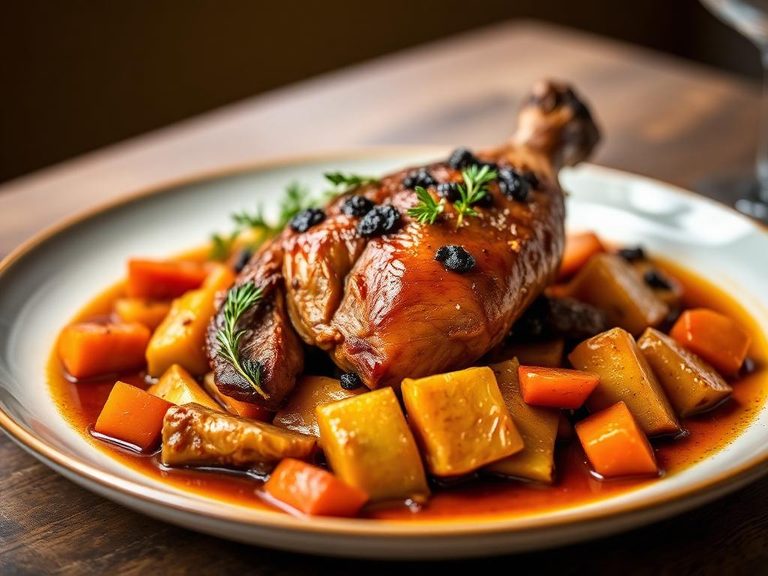
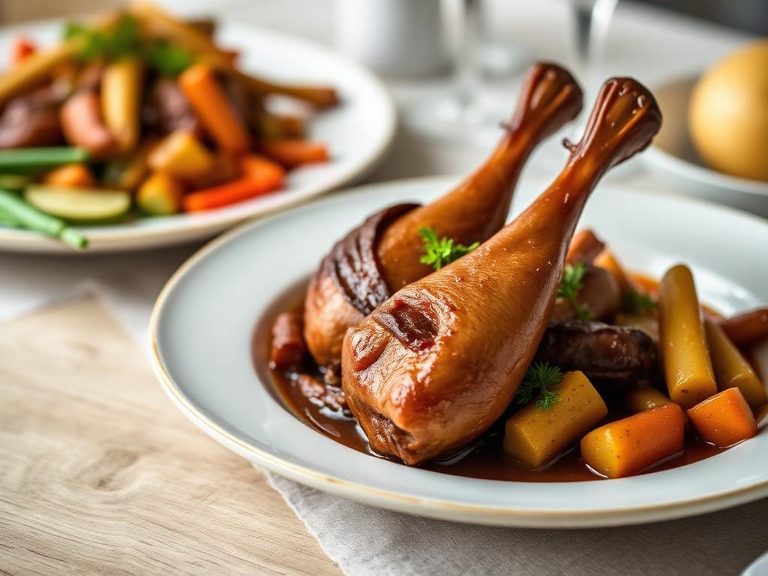
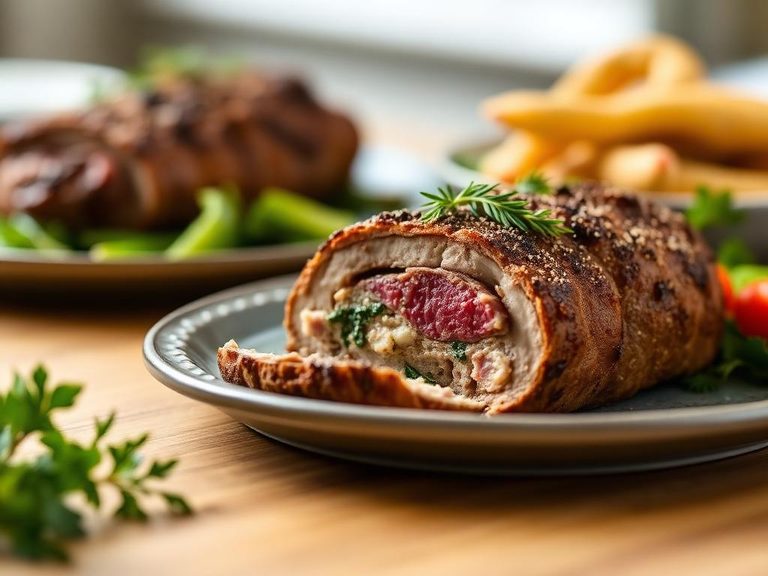
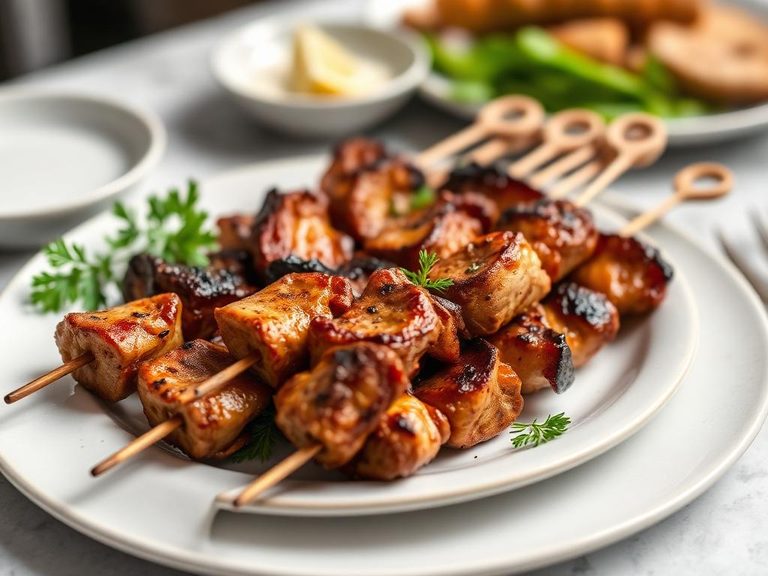
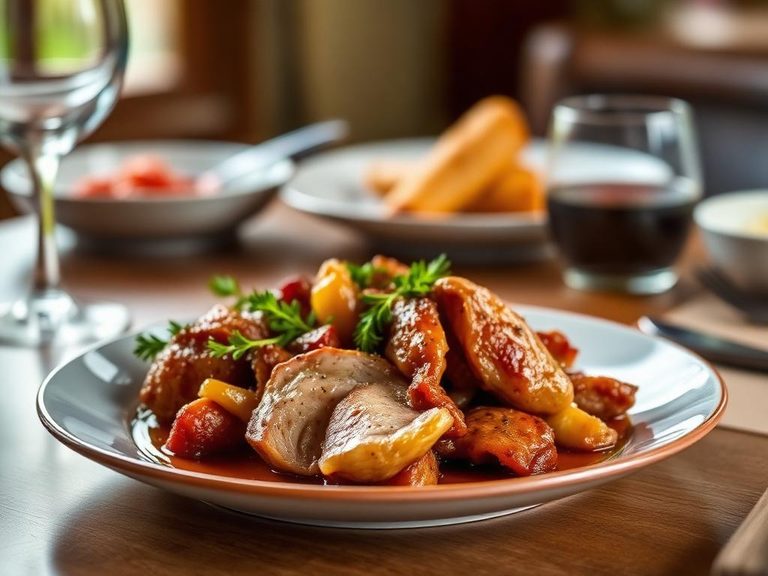
Smoked pheasant is a delicacy featuring whole or parts of pheasant, a game bird, that have been preserved and flavored through smoking. The process typically involves brining the bird in a salt solution before exposing it to wood smoke, which imparts a distinctive, rich, and savory flavor. This dish is a traditional preparation in European cuisine, particularly in regions like the United Kingdom and Germany, often enjoyed during autumn and winter.
🍽️ Nutrition at a glance
Smoked pheasant is a high-protein, low-carbohydrate food, making it a lean source of energy. It is rich in essential nutrients like B vitamins (especially niacin and B6), selenium, and phosphorus, with a typical serving providing around 200-250 calories.
Nutrition breakdown
| Calories | 220 kcal |
| Protein | 34 g |
| Carbs | 0 g |
| Fat | 9 g |
| Fiber | 0 g |
| Sugar | 0 g |
| Sodium | 680 mg |
| Niacin (B3) | 8.5 mg |
| Vitamin B6 | 0.6 mg |
| Selenium | 35 µg |
| Phosphorus | 280 mg |
| Zinc | 2.5 mg |
| Iron | 1.8 mg |
| Potassium | 320 mg |
| Magnesium | 30 mg |
Per 1 serving (150 g) · estimated, varies by recipe
💡 What's interesting
Culturally, smoked pheasant is often associated with hunting traditions and festive meals, symbolizing a connection to rural and seasonal culinary heritage. Nutritionally, its smoking process not only enhances flavor but also acts as a natural preservative, extending its shelf life without the need for artificial additives.