Sheet Cake with Icing
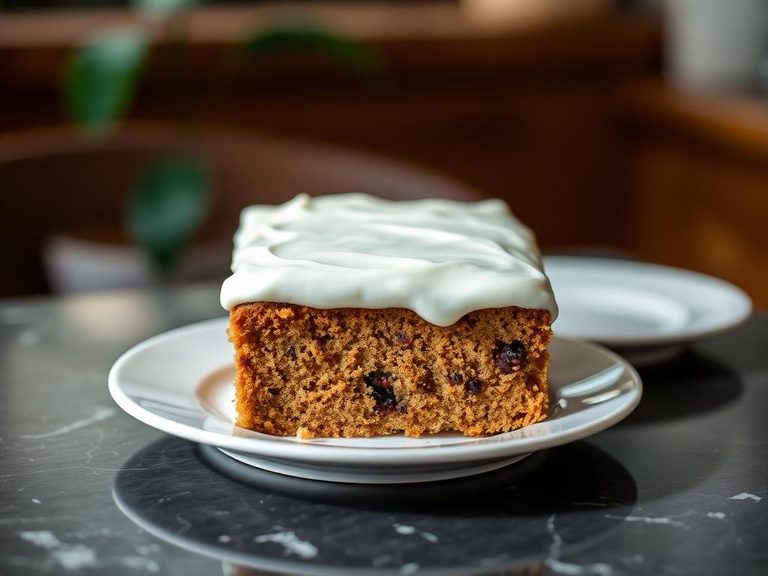
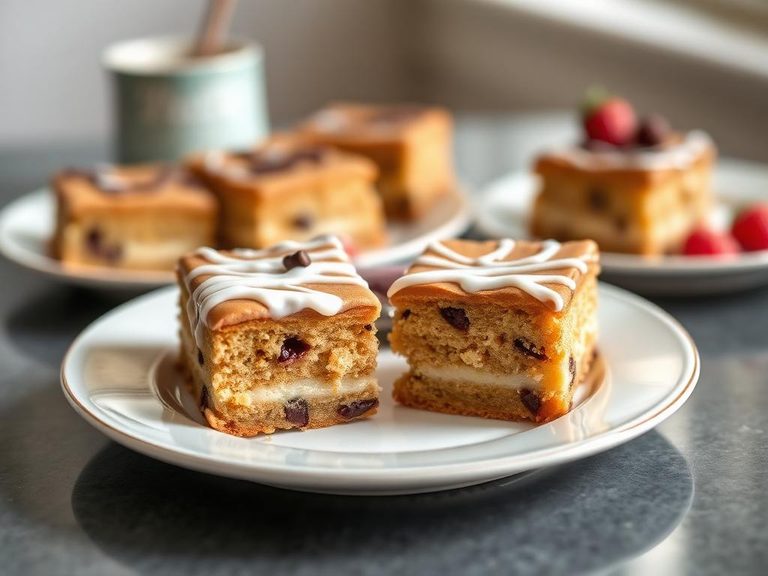
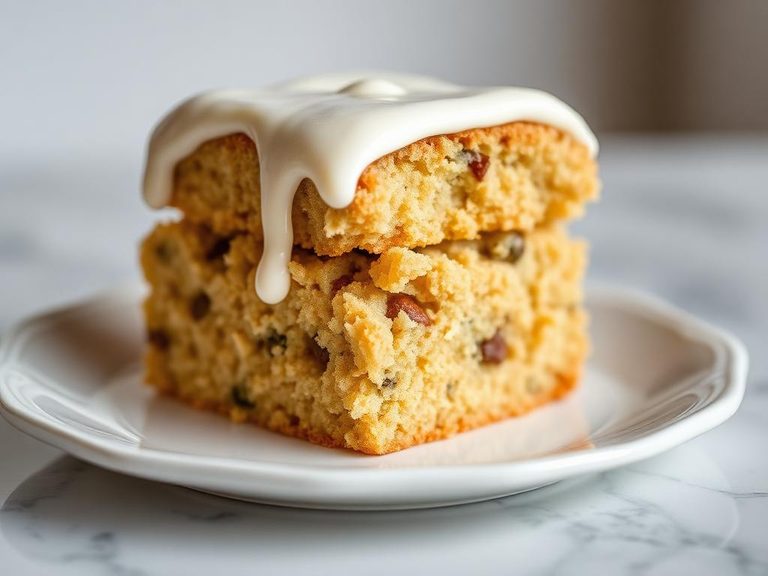
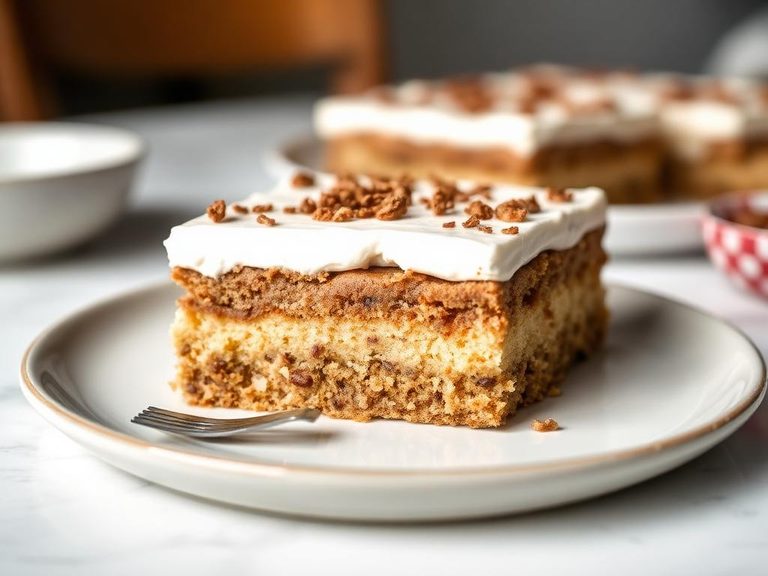
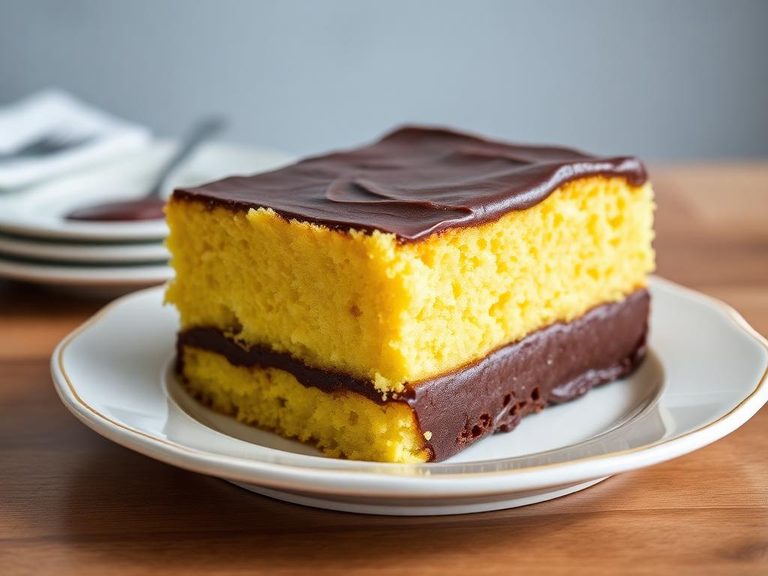
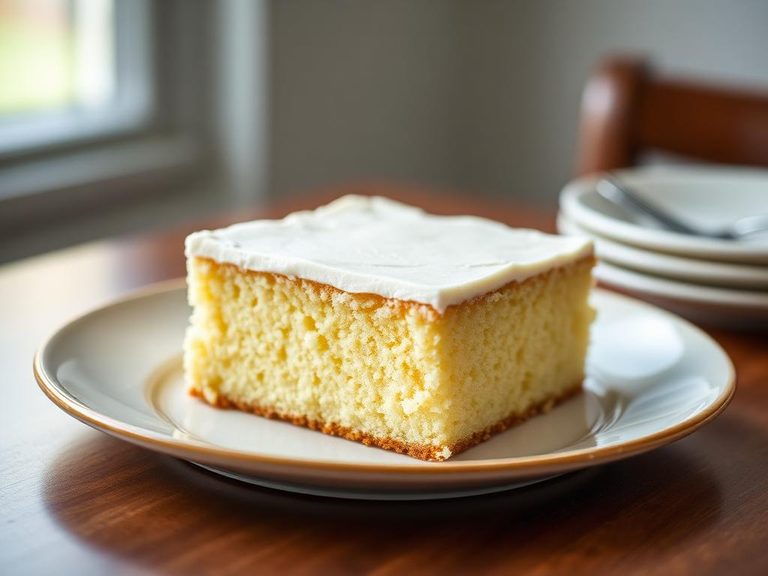
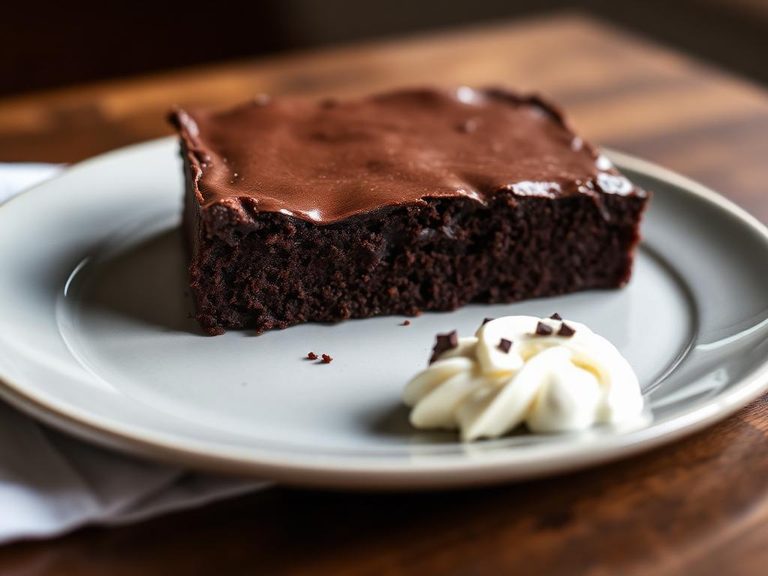
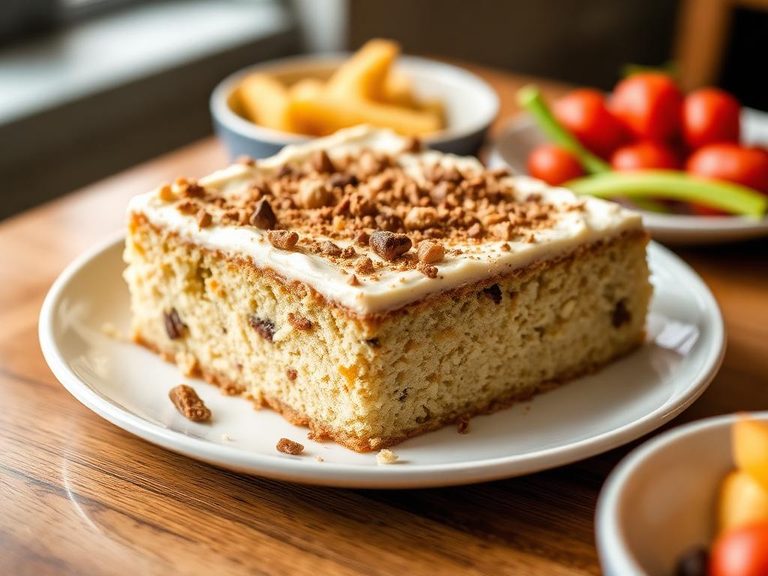
Sheet cake with icing is a simple, crowd-pleasing dessert baked in a large, rectangular pan, making it ideal for parties and gatherings. It typically features a moist, tender vanilla or chocolate cake base topped with a generous layer of creamy frosting, often made with butter, powdered sugar, and flavorings like cocoa or vanilla. This style of cake is a staple of American home baking and community events.
🍽️ Nutrition at a glance
As a classic dessert, it is high in carbohydrates and fats, with the icing contributing significantly to its sugar and calorie content. A typical serving provides quick energy from sugars and some fat, but is not a significant source of protein, fiber, or essential vitamins. A single slice can range from 300 to 500 calories, depending on the recipe and portion size.
Nutrition breakdown
| Calories | 350 kcal |
| Protein | 3 g |
| Carbs | 55 g |
| Fat | 15 g |
| Fiber | 0.5 g |
| Sugar | 38 g |
| Sodium | 280 mg |
| Potassium | 60 mg |
| Calcium | 30 mg |
| Iron | 1.2 mg |
| Vitamin B1 (Thiamin) | 0.1 mg |
| Vitamin B2 (Riboflavin) | 0.05 mg |
| Vitamin B3 (Niacin) | 0.8 mg |
| Folate | 25 µg |
| Phosphorus | 40 mg |
Per 1 piece (approximately 80 g) · estimated, varies by recipe
💡 What's interesting
Culturally, the sheet cake is beloved for its practicality and egalitarian nature—it's designed to feed a crowd easily and is often the centerpiece of potlucks, birthdays, and fundraisers in the United States. Nutritionally, its unique aspect is how it transforms basic pantry staples like flour, sugar, and oil into a communal treat that prioritizes celebration and accessibility over nutritional density.