Seafood platter sauce
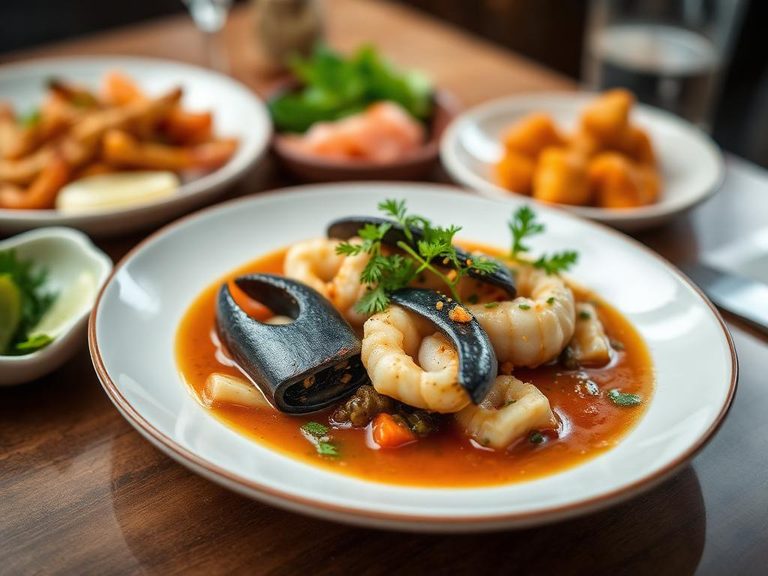
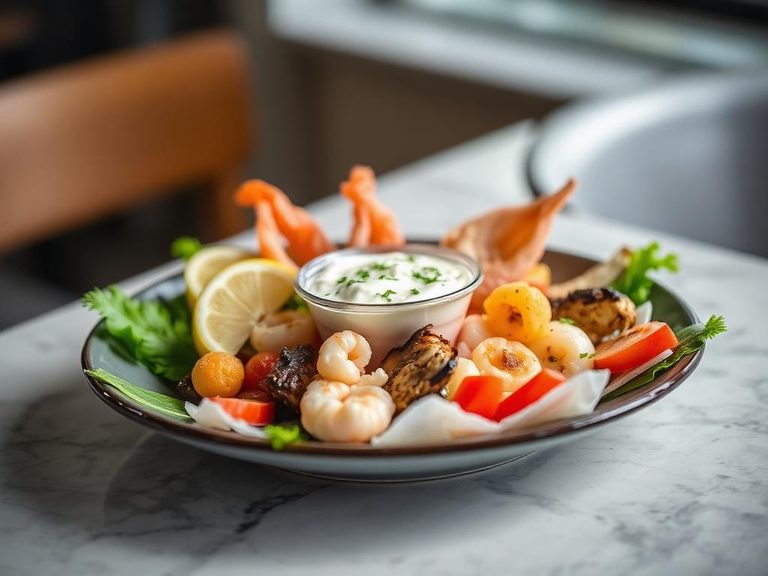
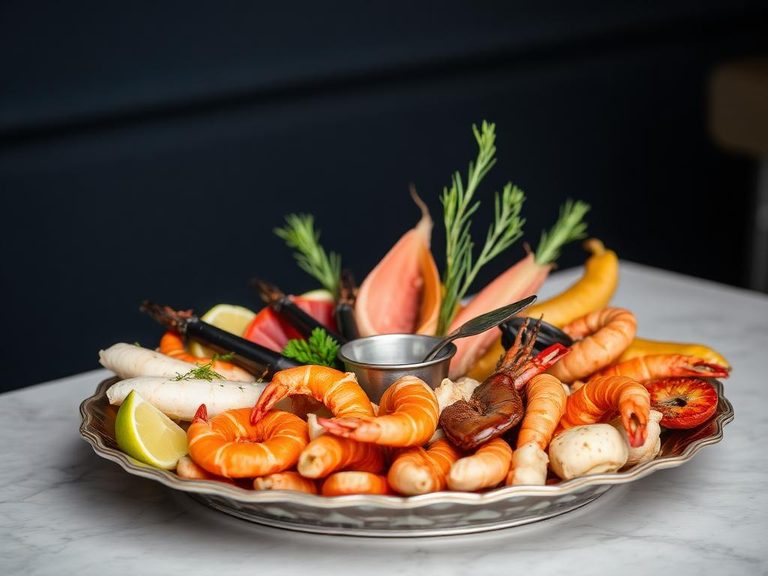
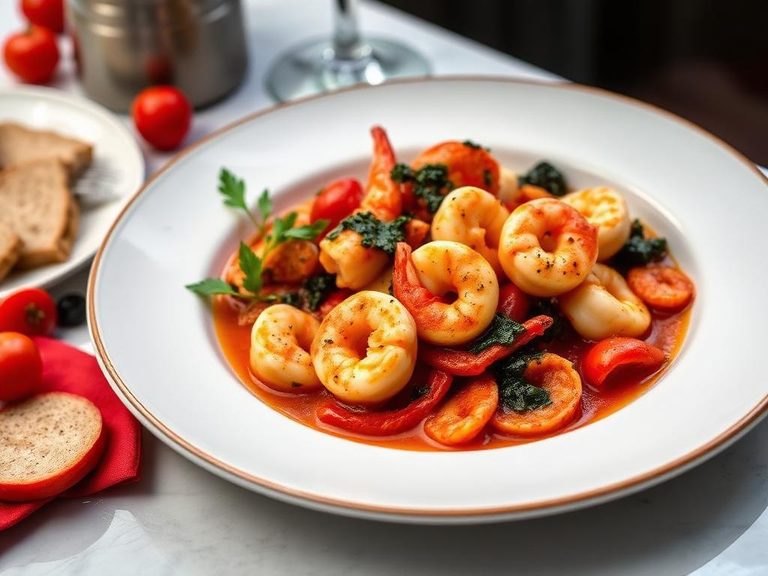
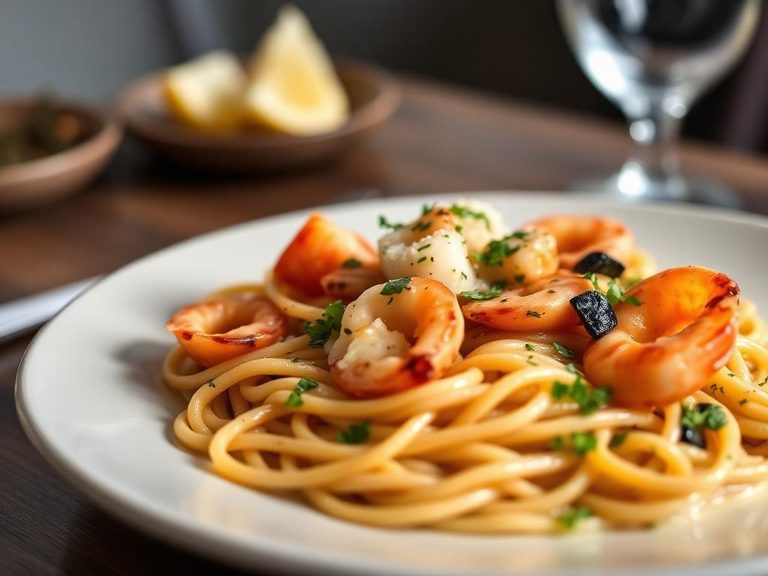
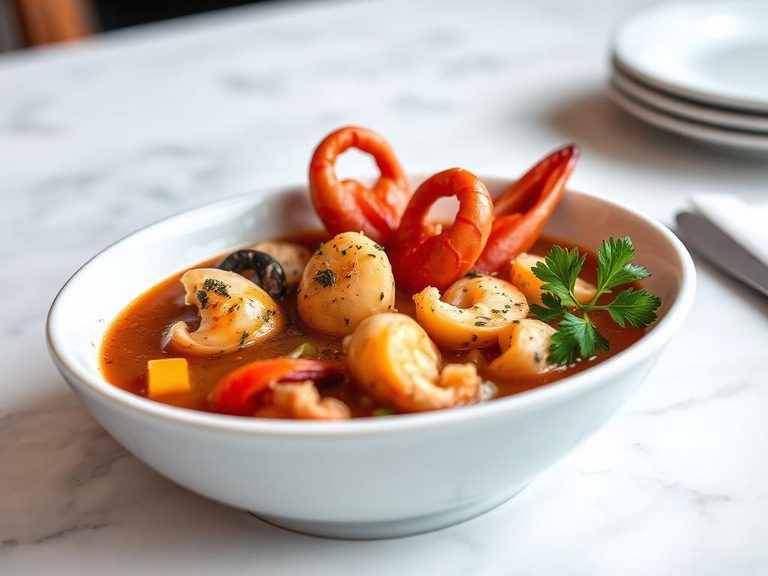
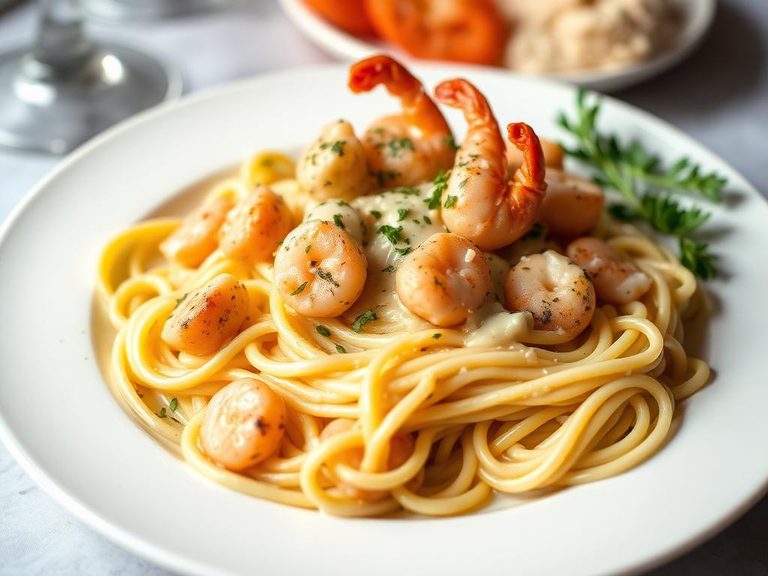
Seafood platter sauce is a versatile condiment or dipping sauce designed to complement a variety of fresh seafood, such as oysters, shrimp, crab, and lobster. Its base often includes ingredients like lemon juice, butter, garlic, herbs, and sometimes a touch of chili or mustard, depending on the regional style. This sauce is popular in coastal cuisines worldwide, from French mignonette to American cocktail sauce.
🍽️ Nutrition at a glance
Seafood platter sauce is typically high in fat if butter or oil-based, but low in carbohydrates, and provides minimal protein unless it contains ingredients like Worcestershire sauce or anchovies. Key nutrients include healthy fats, vitamins like vitamin C from citrus, and minerals such as iron from shellfish. A rough calorie estimate is 50-150 calories per serving, depending on the recipe and portion size.
Nutrition breakdown
| Calories | 85 kcal |
| Protein | 1.5 g |
| Carbs | 8 g |
| Fat | 5 g |
| Fiber | 0.5 g |
| Sugar | 5 g |
| Sodium | 420 mg |
| Vitamin C | 4 mg |
| Vitamin A | 15 mcg |
| Calcium | 15 mg |
| Iron | 0.5 mg |
| Potassium | 90 mg |
| Magnesium | 8 mg |
| Phosphorus | 20 mg |
| Zinc | 0.3 mg |
Per 1/4 cup (60 g) · estimated, varies by recipe
💡 What's interesting
Culturally, seafood platter sauce often reflects local traditions, such as the tangy vinegar-based mignonette in French cuisine or the spicy horseradish kick in American cocktail sauce, showcasing how flavors adapt to regional tastes. Nutritionally, it can enhance the absorption of omega-3 fatty acids from seafood, making it a flavorful way to boost heart health benefits.