

School Cafeteria Pizza
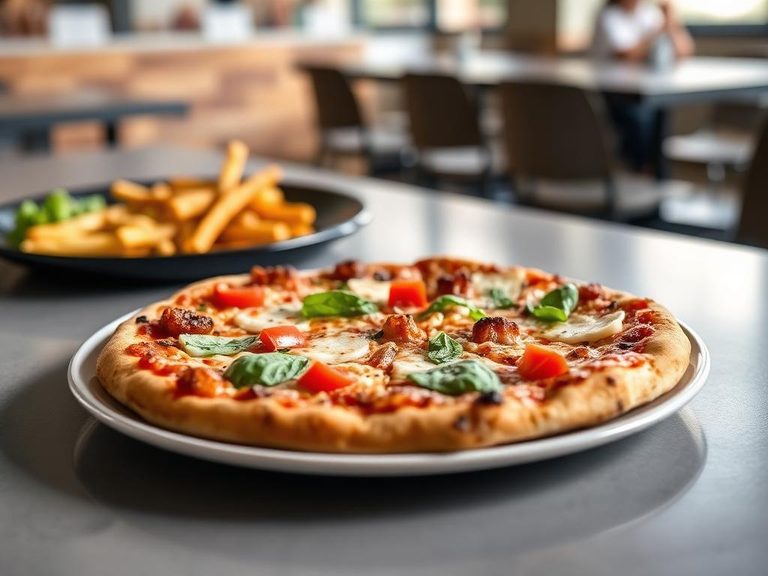
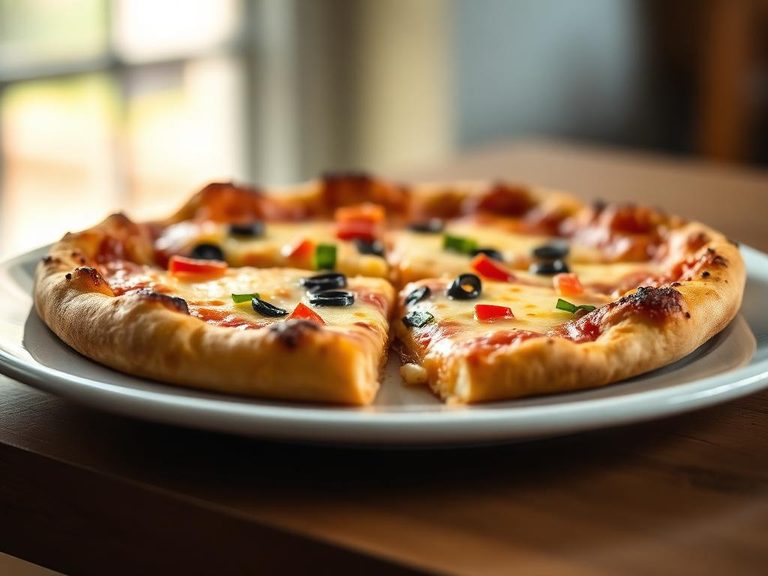
School Cafeteria Pizza is a rectangular or square slice of pizza commonly served in American school lunch programs. It typically features a thick, soft crust topped with tomato sauce and a layer of melted cheese, sometimes with minimal additional toppings. This dish is a staple of institutional dining, designed for mass production and affordability.
🍳 View the full School Cafeteria Pizza recipe →
🍽️ Nutrition at a glance
This pizza is generally high in carbohydrates from the crust and fat from the cheese, with a moderate amount of protein. A single serving provides calcium and some iron, but can be high in sodium, with a rough calorie count of 300-400 per slice depending on size and recipe.
Nutrition breakdown
| Calories | 285 kcal |
| Protein | 12 g |
| Carbs | 33 g |
| Fat | 11 g |
| Fiber | 2 g |
| Sugar | 5 g |
| Sodium | 650 mg |
| Calcium | 200 mg |
| Iron | 2.5 mg |
| Potassium | 180 mg |
| Vitamin A | 100 IU |
| Vitamin C | 3 mg |
| Vitamin D | 15 IU |
| Phosphorus | 150 mg |
| Selenium | 15 mcg |
Per 1 slice (approx. 100 g) · estimated, varies by recipe
💡 What's interesting
Culturally, it represents a nostalgic and shared experience for many Americans, often remembered as a weekly lunchroom highlight. Nutritionally, its standardized recipe is formulated to meet federal school meal guidelines, balancing cost, shelf-stability, and kid-friendly appeal.
🍽️ Related dishes




AI estimate may be inaccurate · Terms