

Salad Dressing Base
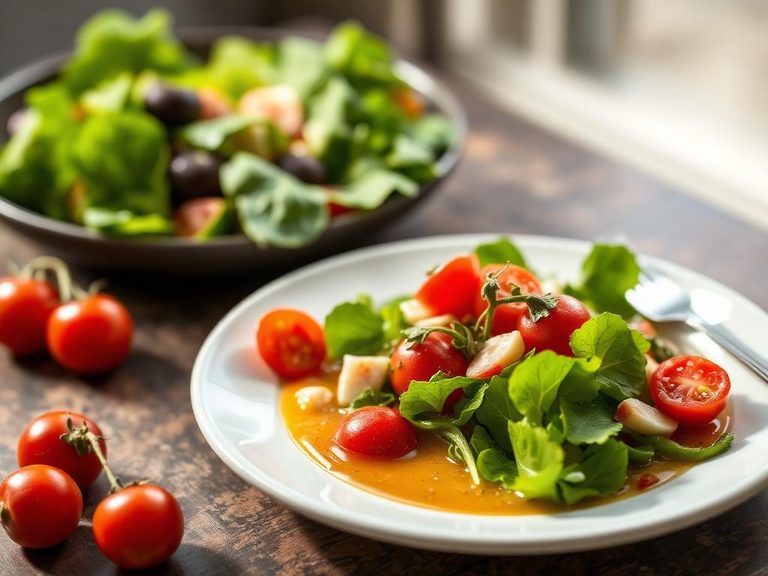
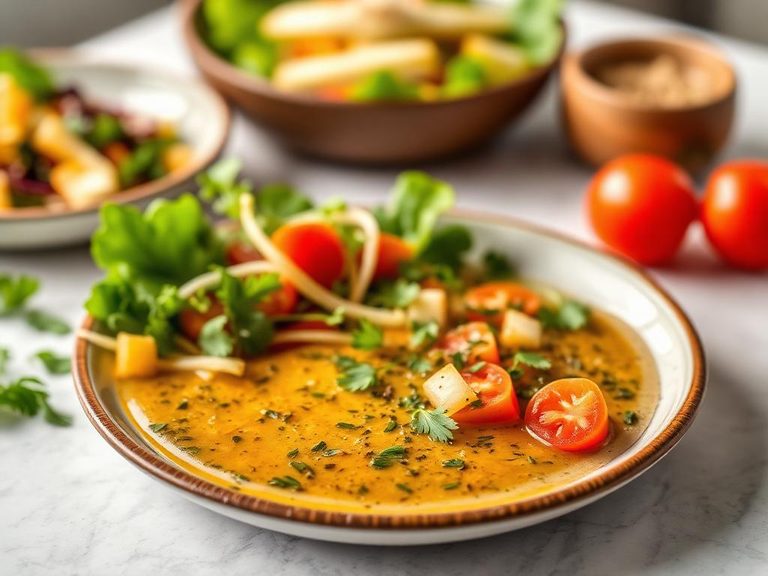
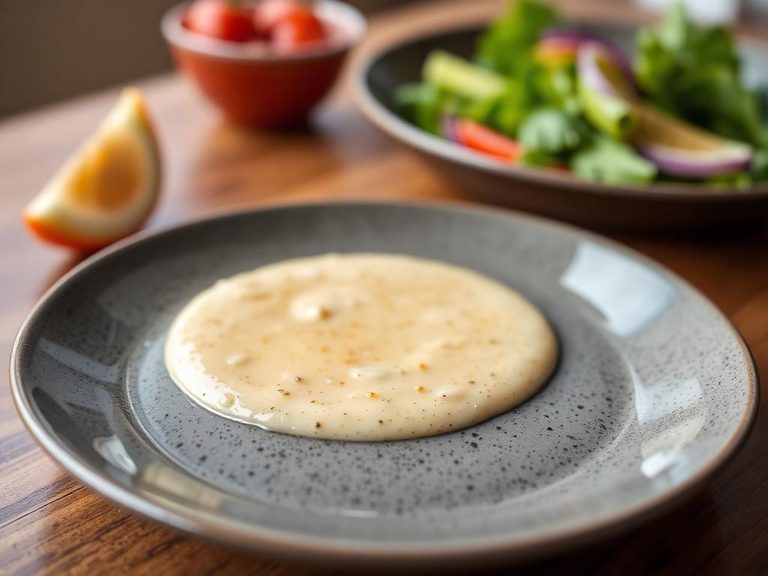
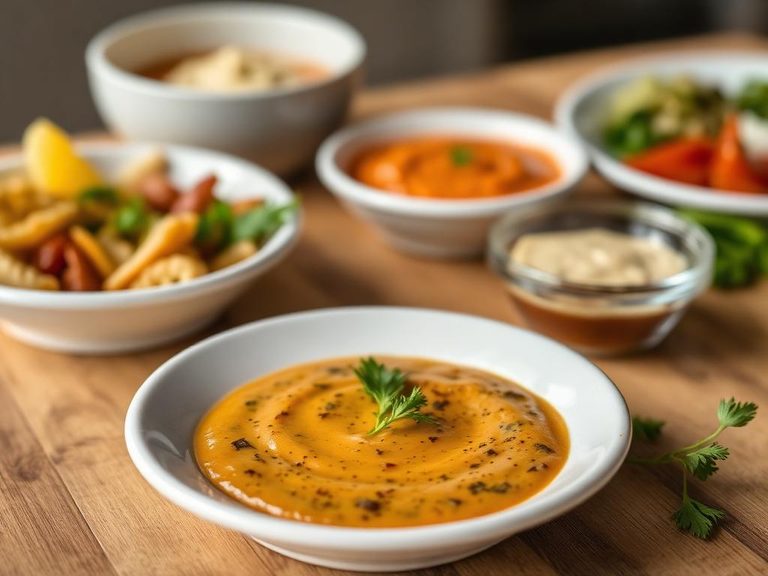
A Salad Dressing Base is a versatile liquid or creamy foundation used to create a wide variety of salad dressings, often starting with a simple emulsion of oil and an acidic component like vinegar or lemon juice. Common ingredients include neutral oils (like canola or sunflower), vinegar, citrus juice, mustard, and herbs, with endless variations for flavor. While the concept is universal, its roots are deeply tied to European culinary traditions, particularly French vinaigrette.
🍽️ Nutrition at a glance
Salad Dressing Base is typically very high in fat, as oil is its primary ingredient, with negligible protein and minimal carbohydrates. A standard serving provides a significant amount of monounsaturated and polyunsaturated fats, along with small amounts of fat-soluble vitamins like Vitamin E. A typical 2-tablespoon serving contains roughly 120-150 calories, almost entirely from fat.
Nutrition breakdown
| Calories | 120 kcal |
| Protein | 0 g |
| Carbs | 0.5 g |
| Fat | 14 g |
| Fiber | 0 g |
| Sugar | 0 g |
| Sodium | 0 mg |
| Vitamin E | 2.5 mg |
| Vitamin K | 10 mcg |
| Monounsaturated Fat | 10 g |
| Polyunsaturated Fat | 3 g |
| Omega-6 Fatty Acids | 2.8 g |
Per 2 tablespoons (30 g) · estimated, varies by recipe
💡 What's interesting
Culturally, the classic French 'vinaigrette' (literally 'little vinegar') is the archetypal salad dressing base, showcasing the fundamental culinary principle of emulsifying fat and acid. Nutritionally, while high in calories, a base made with quality oils can be a good source of heart-healthy fats and antioxidants, making it a more nutritious choice than many pre-made, sugar-laden bottled dressings.
🍽️ Related dishes

AI estimate may be inaccurate · Terms