Rye and barley bread
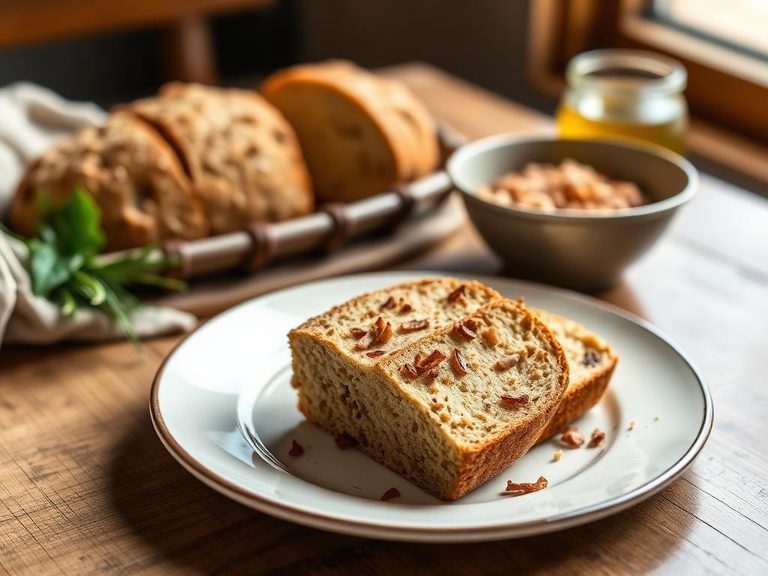
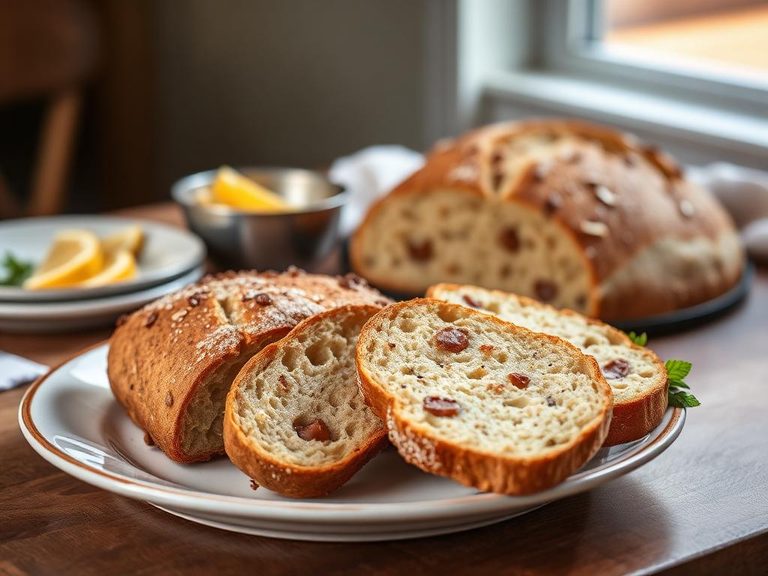
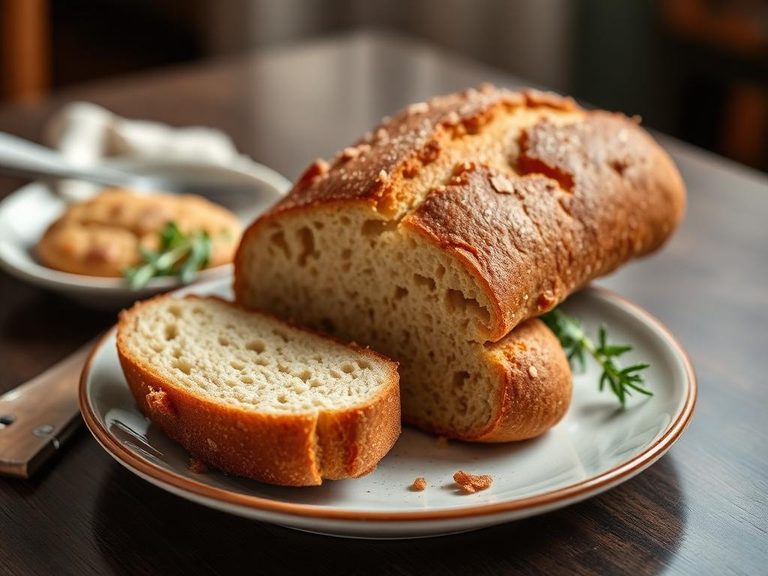
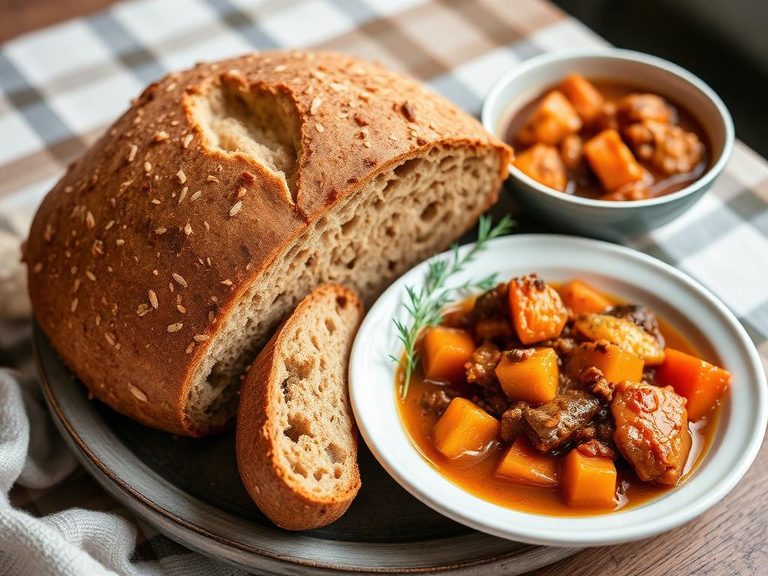
Rye and barley bread is a hearty, whole-grain bread made from a blend of rye and barley flours, often with added caraway seeds for flavor. It is a traditional staple in Northern and Eastern European cuisines, particularly in countries like Germany, Poland, and Scandinavia. The bread is known for its dense texture, earthy flavor, and long shelf life.
🍽️ Nutrition at a glance
This bread is high in complex carbohydrates and dietary fiber, with a moderate amount of plant-based protein. It is a good source of essential minerals like magnesium, selenium, and phosphorus, and a typical slice contains roughly 80-120 calories.
Nutrition breakdown
| Calories | 100 kcal |
| Protein | 3 g |
| Carbs | 20 g |
| Fat | 1 g |
| Fiber | 4 g |
| Sugar | 1 g |
| Sodium | 200 mg |
| Magnesium | 30 mg |
| Selenium | 10 mcg |
| Phosphorus | 80 mg |
| Iron | 1.5 mg |
| Thiamin (B1) | 0.1 mg |
| Niacin (B3) | 1.5 mg |
| Folate | 25 mcg |
| Manganese | 0.5 mg |
Per 1 slice (60 g) · estimated, varies by recipe
💡 What's interesting
Culturally, rye and barley bread is a symbol of rustic, traditional baking and was historically a vital food for its durability and nutritional density. Nutritionally, the combination of rye and barley provides a unique fiber profile that supports gut health and helps regulate blood sugar.