Rouladen (German)
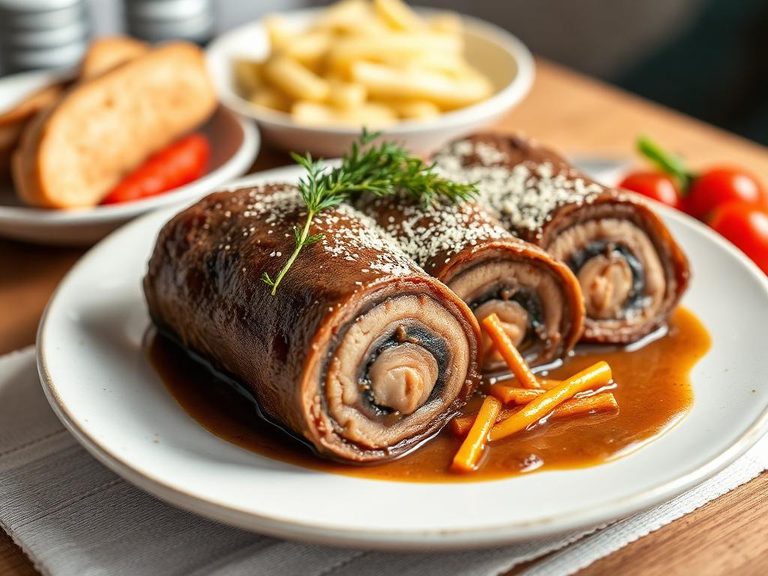
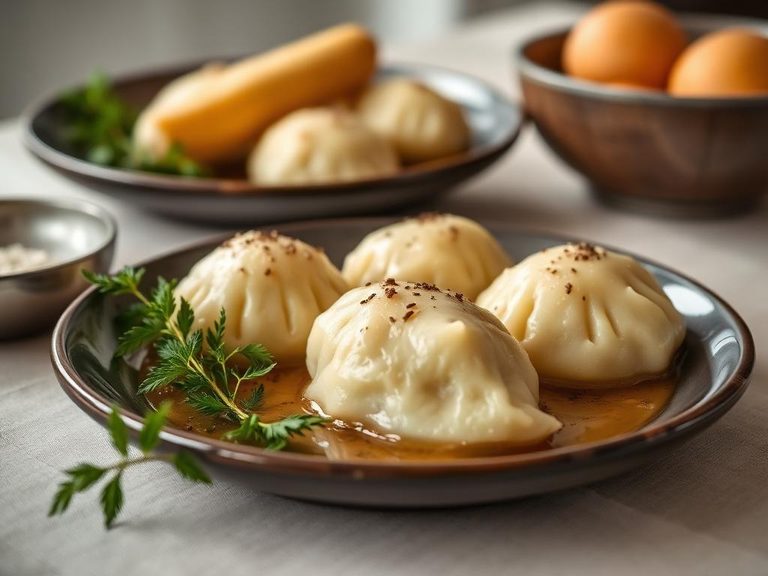
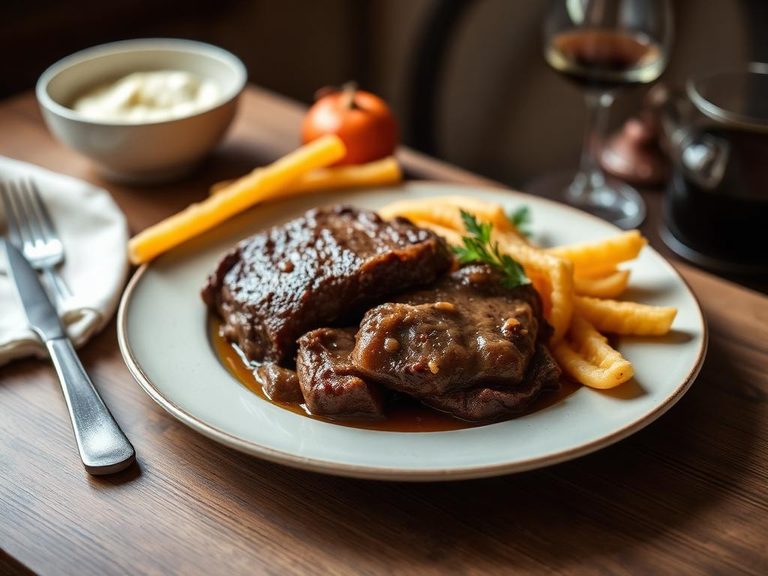
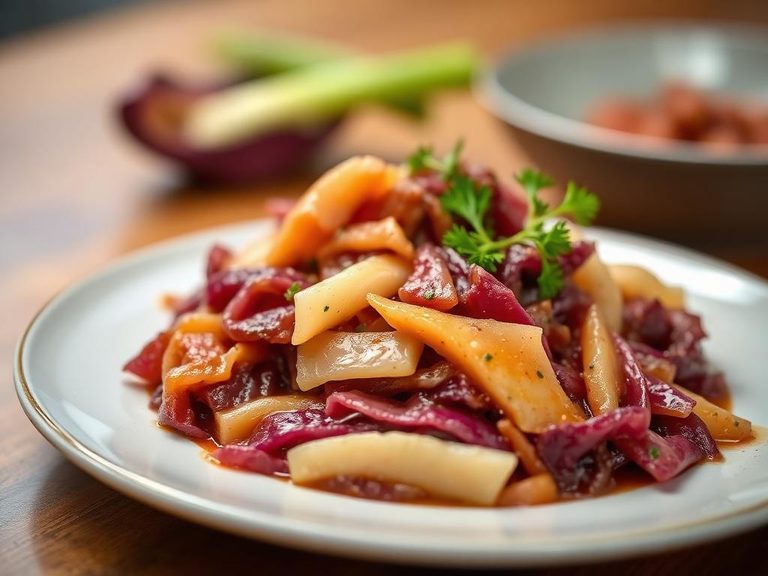
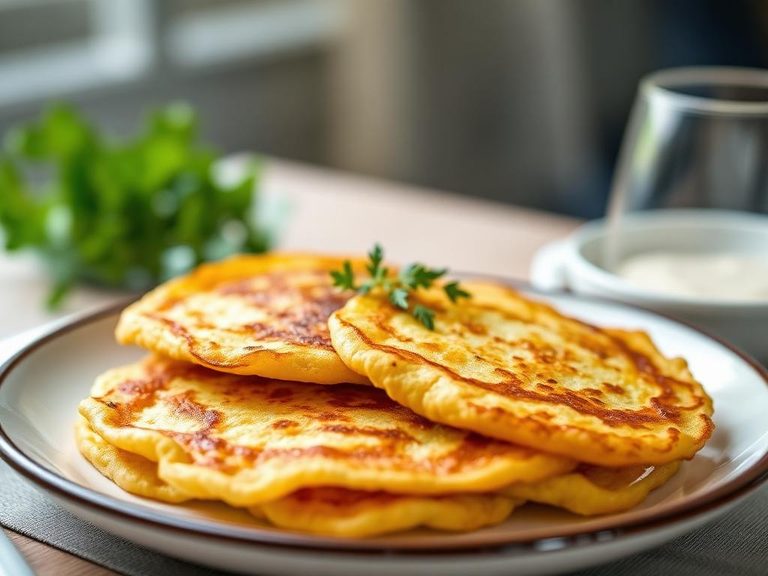
Rouladen is a classic German comfort food consisting of thinly sliced beef (or sometimes pork or veal) rolled around a savory filling of bacon, onions, mustard, and pickles. It is typically braised until tender and served with red cabbage and potato dumplings. This hearty dish is a staple of Sunday family dinners and festive occasions throughout Germany.
🍽️ Nutrition at a glance
This is a protein-rich dish with a moderate to high fat content due to the beef and bacon, while being relatively low in carbohydrates unless served with traditional sides like dumplings. A single serving provides substantial iron, B vitamins, and zinc, with a calorie range of approximately 400-600 calories depending on the cut of meat and preparation.
Nutrition breakdown
| Calories | 320 kcal |
| Protein | 28 g |
| Carbs | 8 g |
| Fat | 20 g |
| Fiber | 1.5 g |
| Sugar | 2 g |
| Sodium | 680 mg |
| Iron | 4.2 mg |
| Zinc | 5.1 mg |
| Potassium | 480 mg |
| Phosphorus | 250 mg |
| Niacin (B3) | 7.8 mg |
| Vitamin B6 | 0.5 mg |
| Vitamin B12 | 2.8 µg |
| Selenium | 32 µg |
Per 1 roll (approx. 150 g) · estimated, varies by recipe
💡 What's interesting
The dish's name literally translates to 'little rolls' in German, and its origins are tied to the 19th-century tradition of using thin cuts of meat to create an elegant yet hearty meal. Nutritionally, the pickles and mustard in the filling not only add flavor but also provide a tangy contrast that aids in digesting the rich meat.