Roasted Dove
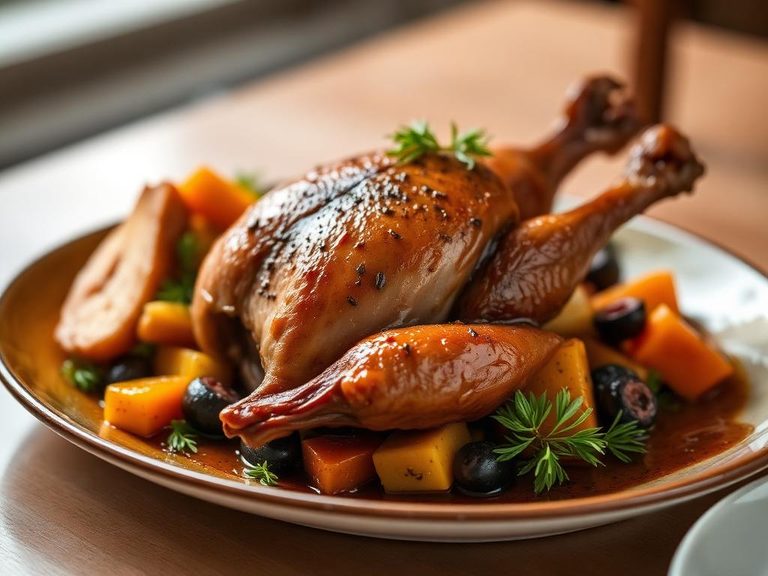
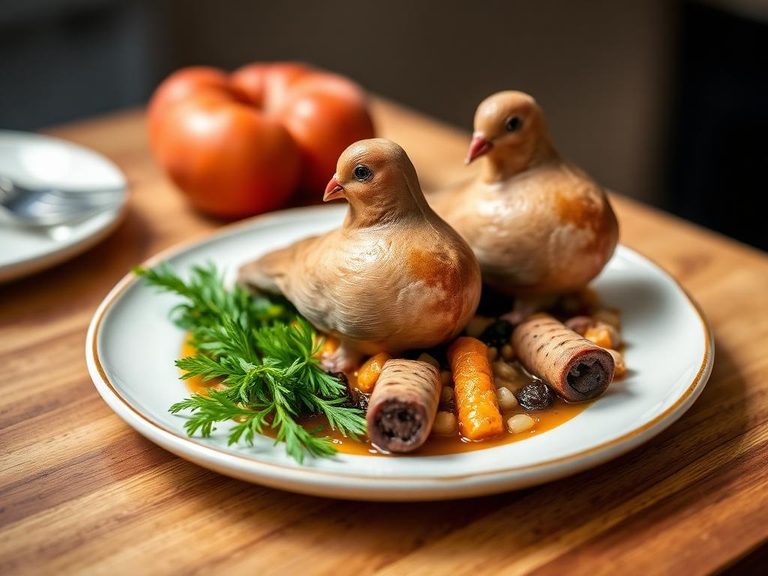
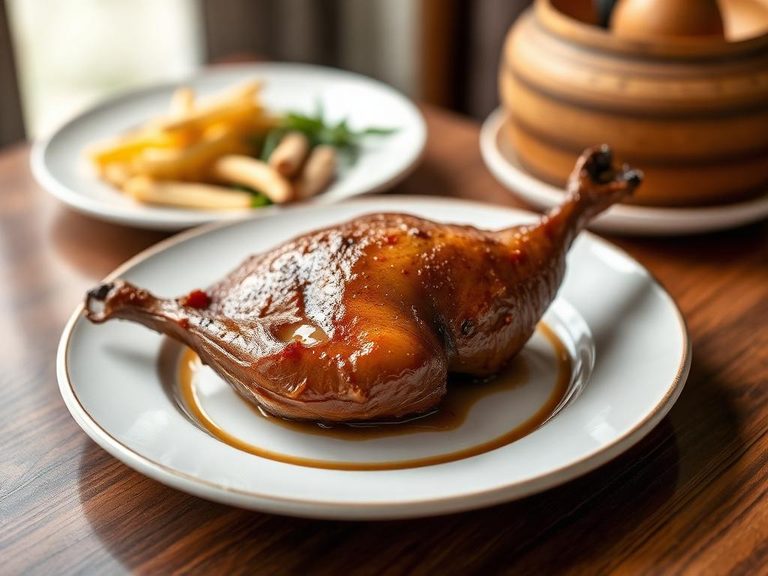
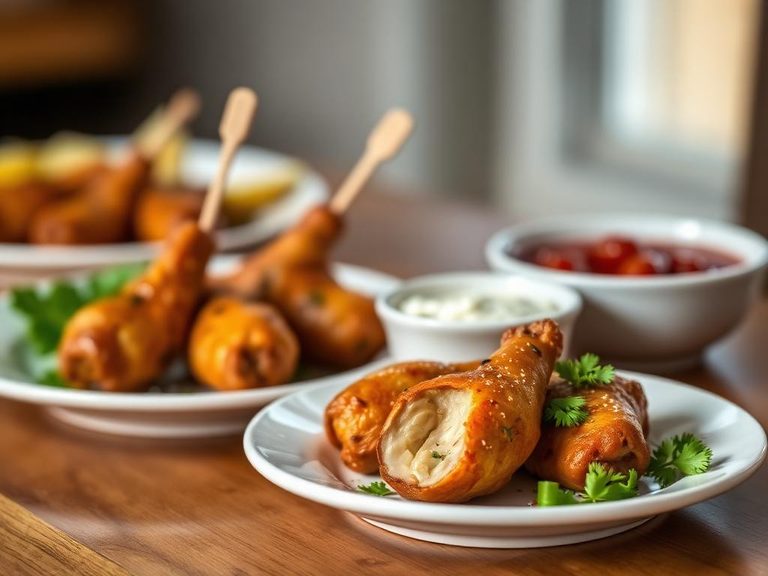
Roasted dove is a traditional delicacy featuring whole or portioned dove (often squab or pigeon) marinated and cooked until the skin is crispy and the meat is tender. It typically uses simple ingredients like soy sauce, ginger, garlic, and sometimes rice wine or honey for glazing. This dish is particularly popular in Chinese cuisine, especially during festivals or as a celebratory meal.
🍽️ Nutrition at a glance
Roasted dove is high in protein and relatively low in carbohydrates, making it a nutrient-dense option. A typical serving provides key nutrients like iron, zinc, and B vitamins, with a calorie range of approximately 250-350 kcal per 100 grams, depending on the cut and preparation.
Nutrition breakdown
| Calories | 300 kcal |
| Protein | 35 g |
| Carbs | 2 g |
| Fat | 16 g |
| Fiber | 0 g |
| Sugar | 0.5 g |
| Sodium | 450 mg |
| Iron | 2.5 mg |
| Zinc | 3.0 mg |
| Vitamin B6 | 0.5 mg |
| Vitamin B12 | 1.2 mcg |
| Niacin (B3) | 8.0 mg |
| Phosphorus | 220 mg |
| Selenium | 15 mcg |
| Potassium | 280 mg |
Per 1 whole roasted dove (about 150 g, edible portion) · estimated, varies by recipe
💡 What's interesting
Culturally, roasted dove symbolizes prosperity and good fortune in some Chinese traditions, often served at weddings or Lunar New Year. Nutritionally, dove meat is leaner than many poultry options and is rich in conjugated linoleic acid (CLA), which is studied for potential health benefits.