

Ramen Topping
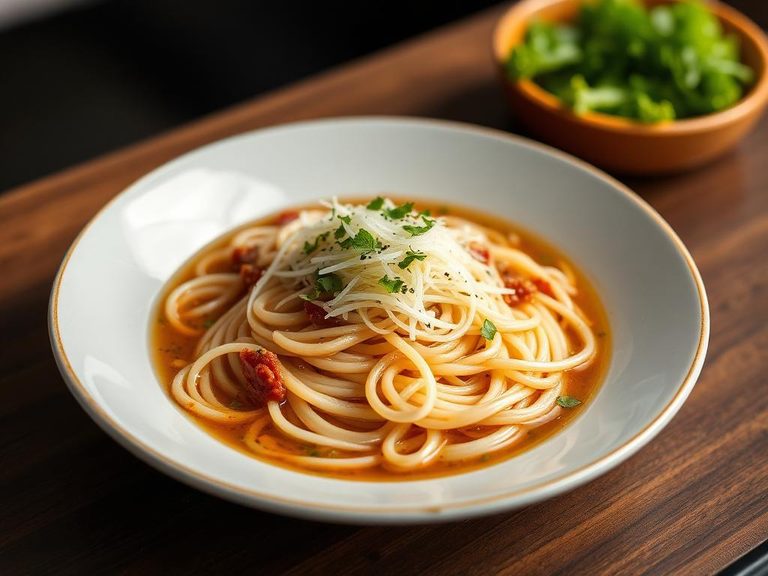
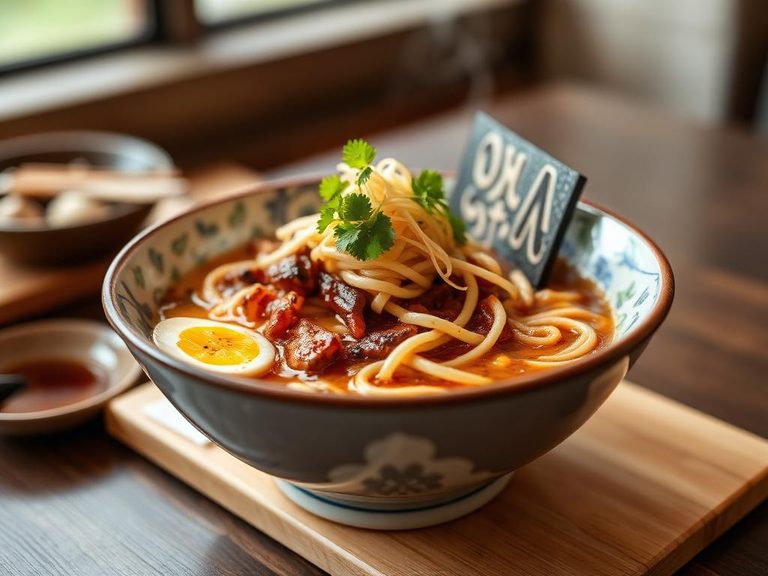
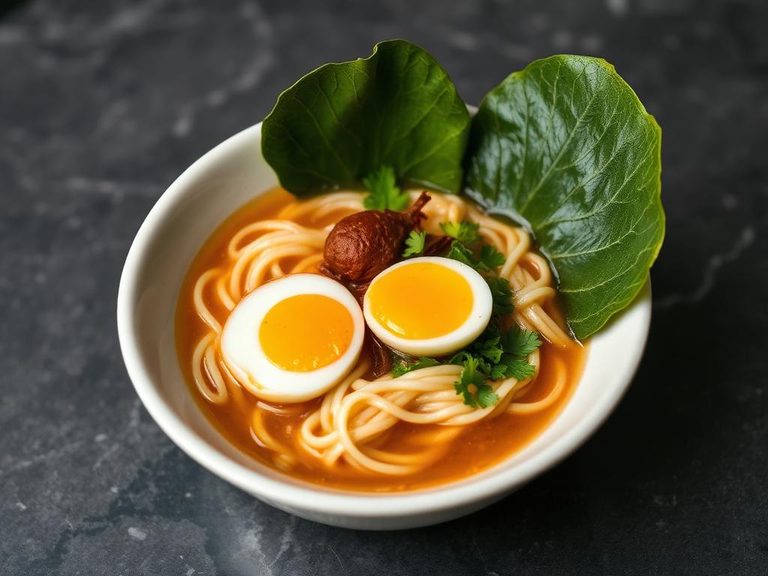
Ramen toppings are the flavorful garnishes added to a bowl of Japanese ramen, transforming it from a simple noodle soup into a complex, satisfying meal. Common toppings include chashu (braised pork belly), marinated soft-boiled eggs (ajitsuke tamago), menma (fermented bamboo shoots), nori (seaweed), and scallions. These ingredients are central to ramen shops across Japan and have become iconic globally.
🍽️ Nutrition at a glance
Ramen toppings are generally high in protein and fat, especially from meats like pork, while being low in carbohydrates. They provide essential nutrients like iron, B vitamins, and collagen, with a typical serving of assorted toppings adding approximately 150-300 calories to the bowl.
Nutrition breakdown
| Calories | 220 kcal |
| Protein | 15 g |
| Carbs | 5 g |
| Fat | 16 g |
| Fiber | 2 g |
| Sugar | 1 g |
| Sodium | 480 mg |
| Iron | 2.5 mg |
| Vitamin B12 | 1.2 mcg |
| Zinc | 3 mg |
| Potassium | 320 mg |
| Phosphorus | 180 mg |
| Selenium | 15 mcg |
| Collagen | significant amount |
| Vitamin K | 15 mcg |
Per 1 typical serving of assorted toppings (approx. 150 g) · estimated, varies by recipe
💡 What's interesting
The art of ramen toppings is deeply tied to regional Japanese identity, with specific areas famous for unique additions like Hokkaido's butter and corn or Fukuoka's pickled ginger. Nutritionally, toppings like ajitsuke tamago and chashu are designed to add rich umami and healthy fats, balancing the broth and noodles.
🍽️ Related dishes
AI estimate may be inaccurate · Terms