

Quick Breads
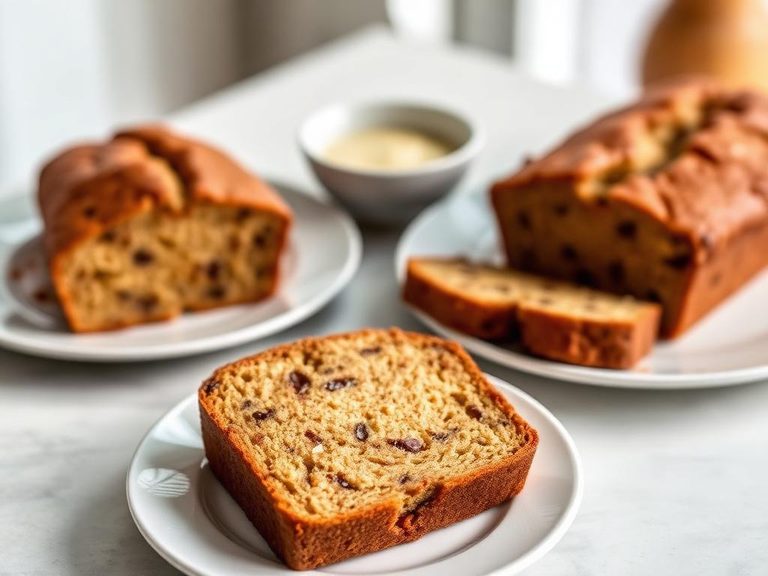
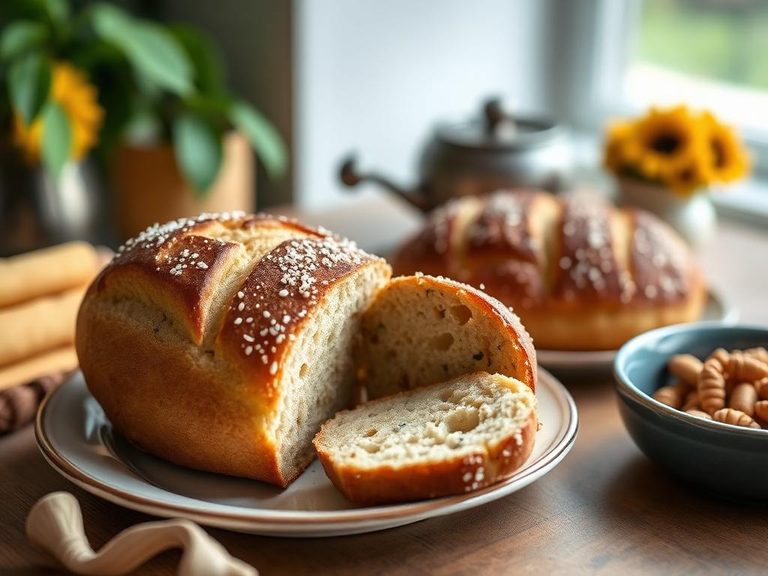
Quick breads are moist, cake-like loaves leavened with baking powder or baking soda instead of yeast, making them fast and simple to prepare. Classic examples like banana bread and zucchini bread typically use mashed fruit or grated vegetables, flour, sugar, eggs, and oil or butter. This style of baking is a staple in American home kitchens, especially popular for using up overripe produce.
🍽️ Nutrition at a glance
These breads are generally high in carbohydrates from flour and sugar, with a moderate amount of fat from oil or butter. They provide some potassium and fiber (especially from bananas or zucchini) and a single slice usually ranges from 200 to 300 calories.
Nutrition breakdown
| Calories | 240 kcal |
| Protein | 3.5 g |
| Carbs | 38 g |
| Fat | 9 g |
| Fiber | 1.5 g |
| Sugar | 20 g |
| Sodium | 210 mg |
| Potassium | 150 mg |
| Iron | 1.5 mg |
| Calcium | 40 mg |
| Magnesium | 25 mg |
| Phosphorus | 60 mg |
| Vitamin B6 | 0.1 mg |
| Folate | 35 mcg |
| Manganese | 0.4 mg |
Per 1 slice (80 g) · estimated, varies by recipe
💡 What's interesting
Quick breads became a symbol of American frugality and home baking during the Great Depression, as they allowed households to transform inexpensive or surplus ingredients into satisfying treats. Nutritionally, they can be a clever way to incorporate vegetables or fruit into a snack, though they are often enjoyed more as an occasional indulgence than a health food.
🍽️ Related dishes




AI estimate may be inaccurate · Terms