

Pork Ribs with Sauerkraut
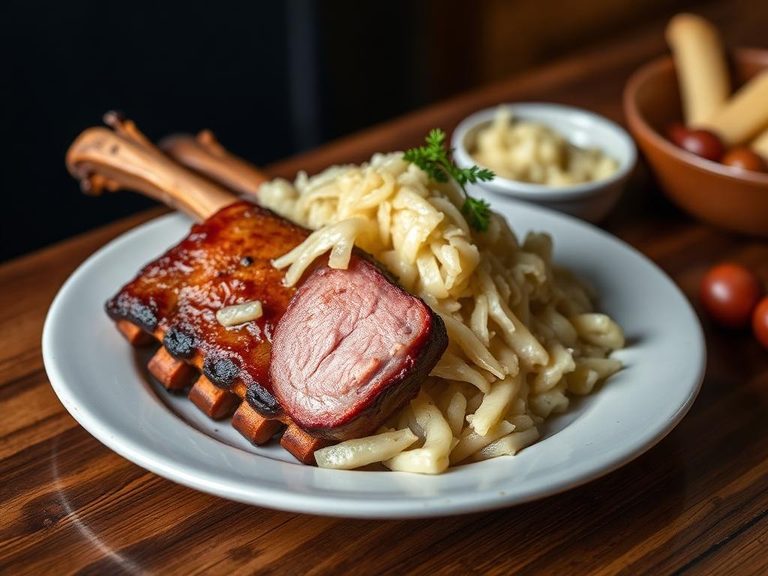
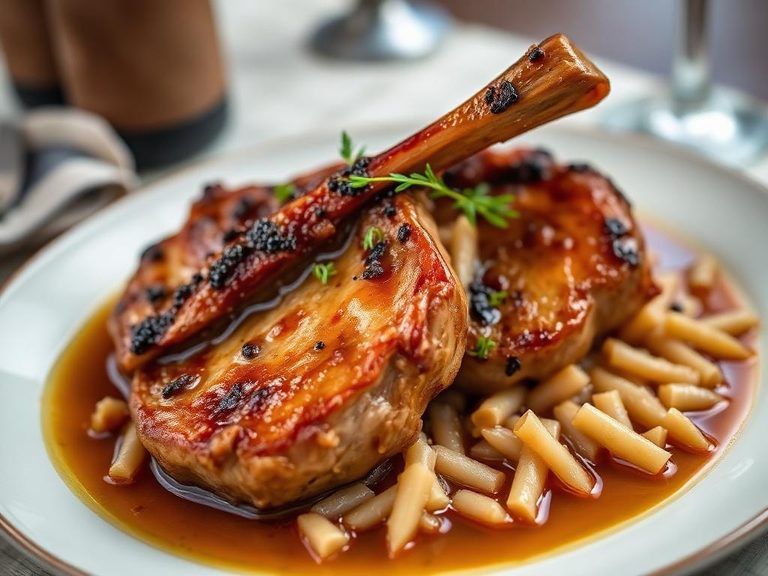
Pork Ribs with Sauerkraut is a hearty, comforting dish where tender pork ribs are slow-cooked with tangy, fermented cabbage. It's a staple in many Central and Eastern European cuisines, particularly German, Polish, and Alsatian cooking, where the sauerkraut's acidity helps cut through the richness of the meat.
🍳 View the full Pork Ribs with Sauerkraut recipe →
🍽️ Nutrition at a glance
This dish is high in protein from the pork ribs and contains moderate fat, especially if using bone-in ribs. It's relatively low in carbohydrates unless served with a starchy side like potatoes or dumplings, and provides key nutrients like iron, B vitamins, and probiotics from the fermented sauerkraut. A typical serving can range from 400 to 600 calories, depending on the cut of meat and added fats.
Nutrition breakdown
| Calories | 380 kcal |
| Protein | 22 g |
| Carbs | 12 g |
| Fat | 28 g |
| Fiber | 3 g |
| Sugar | 4 g |
| Sodium | 950 mg |
| Potassium | 420 mg |
| Phosphorus | 210 mg |
| Iron | 2.5 mg |
| Zinc | 3.8 mg |
| Vitamin B1 (Thiamine) | 0.6 mg |
| Vitamin B6 | 0.4 mg |
| Vitamin B12 | 1.2 mcg |
| Selenium | 25 mcg |
Per 1 cup (240 g) · estimated, varies by recipe
💡 What's interesting
Culturally, this dish is a classic example of 'peasant food' that has become a beloved comfort meal, showcasing the practical use of fermentation to preserve vegetables for winter. Nutritionally, the fermentation process of sauerkraut not only enhances its flavor but also increases its vitamin content and introduces beneficial probiotics that support gut health.
🍽️ Related dishes


AI estimate may be inaccurate · Terms