Popsicle or Ice Pop (frozen)
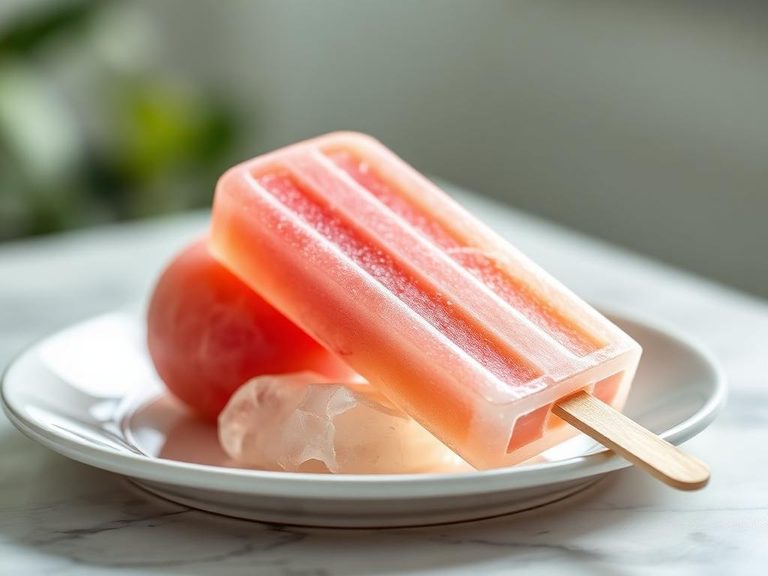
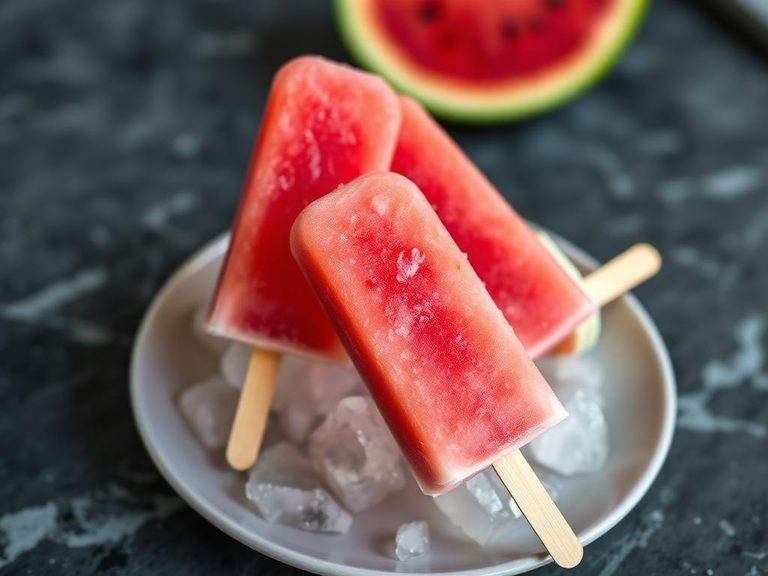
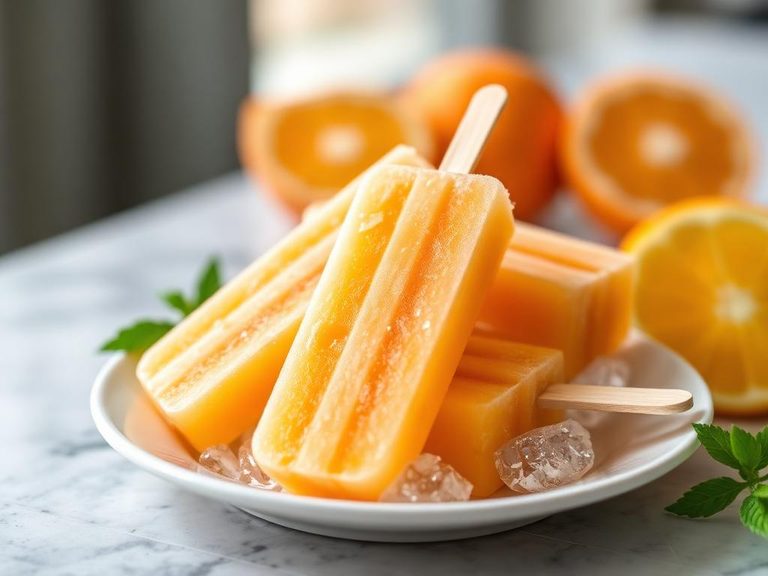
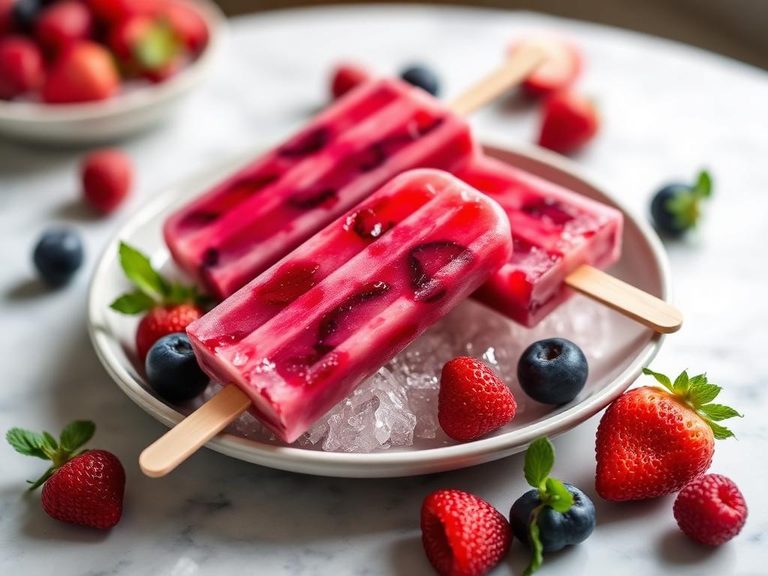
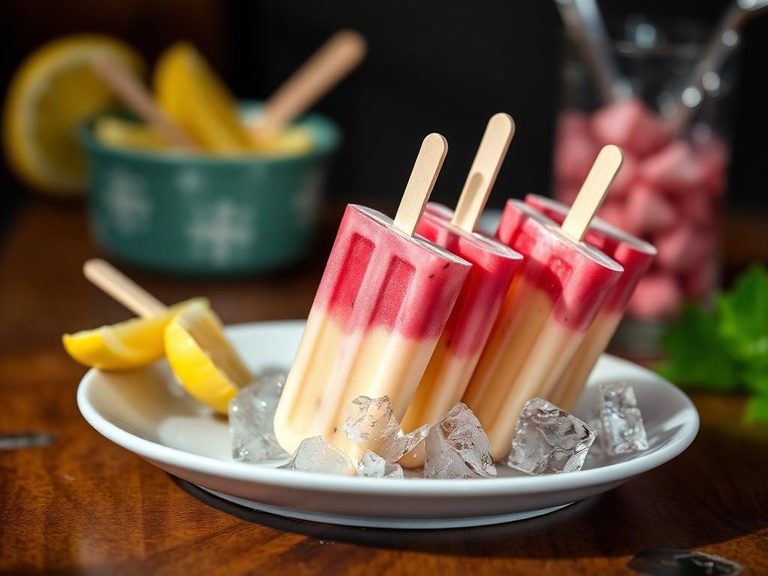
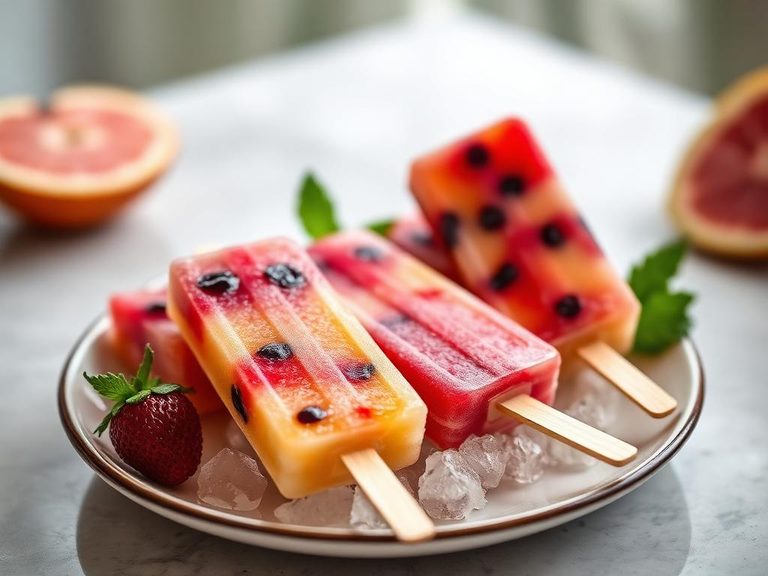
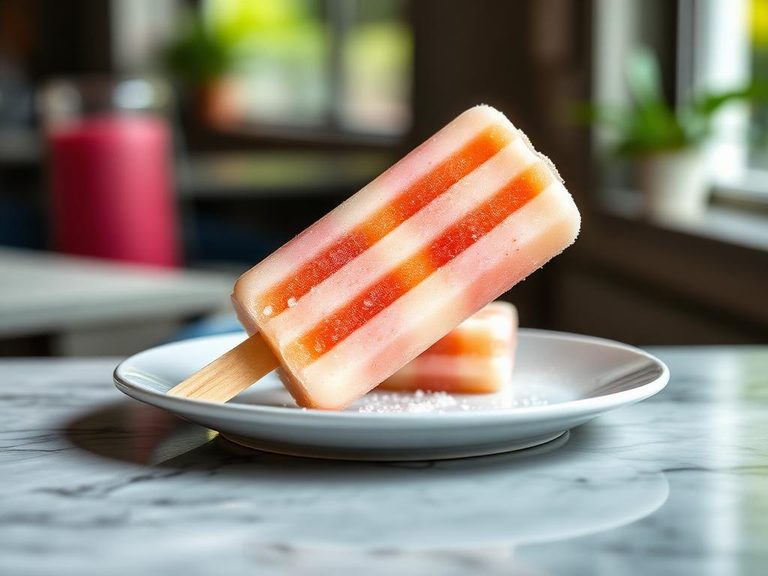
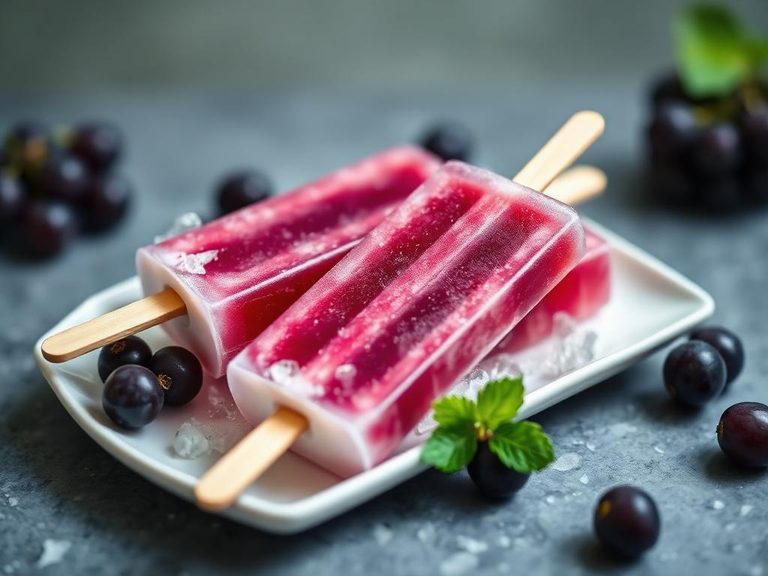
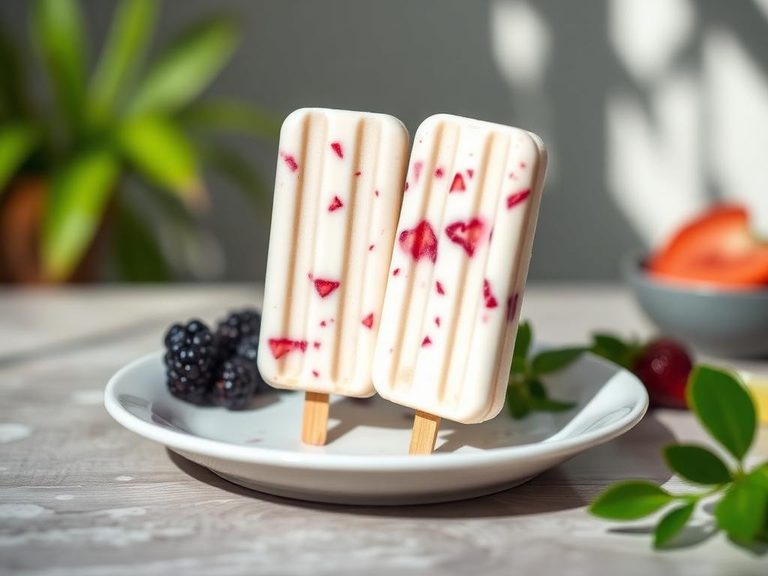
A popsicle, or ice pop, is a frozen treat made from flavored liquid, typically fruit juice, flavored water, or a sweetened dairy base, frozen on a stick. Originating in the United States, it has become a globally beloved summer snack with countless flavors and variations.
🍽️ Nutrition at a glance
Popsicles are generally high in carbohydrates from added sugars or fruit juice, with negligible fat and protein. A standard store-bought popsicle (about 60-70 grams) typically contains 40-70 calories, providing minimal vitamins or minerals unless made with real fruit.
Nutrition breakdown
| Calories | 30 kcal |
| Protein | 0 g |
| Carbs | 8 g |
| Fat | 0 g |
| Fiber | 0 g |
| Sugar | 7 g |
| Sodium | 10 mg |
| Vitamin C | 2 mg |
| Potassium | 20 mg |
| Calcium | 5 mg |
| Iron | 0.1 mg |
| Magnesium | 2 mg |
| Phosphorus | 5 mg |
| Zinc | 0.05 mg |
| Manganese | 0.1 mg |
Per 1 popsicle (60 g) · estimated, varies by recipe
💡 What's interesting
The popsicle was accidentally invented in 1905 by an 11-year-old boy, Frank Epperson, who left a mixture of powdered soda, water, and a stirring stick outside overnight. Culturally, it's a symbol of summer and childhood nostalgia, and its simple form makes it a popular vehicle for creative, artisanal flavors and natural ingredients.