

Popped Corn Snacks
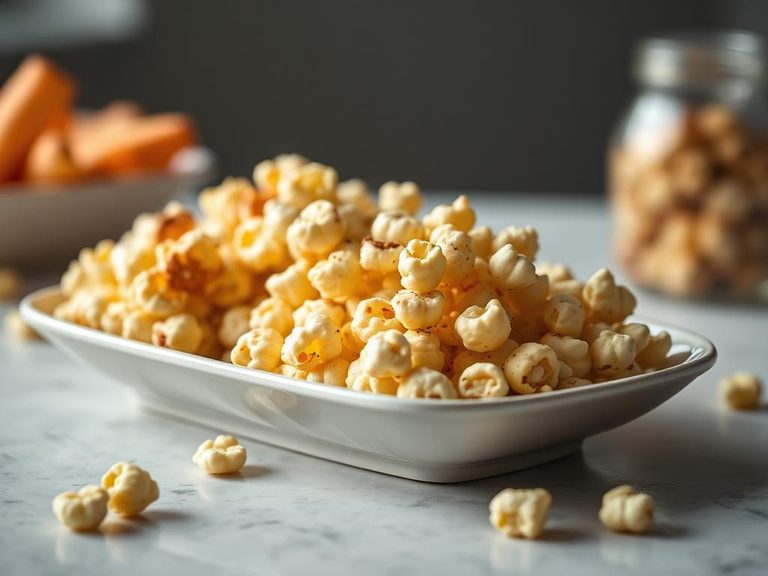
Popped corn snacks, commonly known as popcorn, are a beloved whole-grain treat made by heating corn kernels until they expand and pop. The most basic version uses just corn kernels and a small amount of oil or air-popping, but it's often seasoned with salt, butter, or a variety of sweet and savory flavorings. While its exact origins are ancient, with evidence of popcorn consumption in the Americas thousands of years ago, it became a iconic snack in the United States, especially in the 20th century.
🍽️ Nutrition at a glance
Popped corn is a whole-grain snack that is relatively high in carbohydrates and dietary fiber, with a modest amount of protein and very low fat when air-popped. A typical serving provides key nutrients like magnesium, phosphorus, and antioxidants, with a calorie range of about 30-150 calories depending on preparation.
Nutrition breakdown
| Calories | 93 kcal |
| Protein | 3.1 g |
| Carbs | 18.7 g |
| Fat | 1.1 g |
| Fiber | 3.6 g |
| Sugar | 0.2 g |
| Sodium | 1 mg |
| Magnesium | 36 mg |
| Phosphorus | 90 mg |
| Manganese | 0.5 mg |
| Zinc | 0.9 mg |
| Copper | 0.2 mg |
| Iron | 0.9 mg |
| Thiamin (B1) | 0.1 mg |
| Folate | 13 µg |
Per 3 cups (about 30 g) of air-popped popcorn · estimated, varies by recipe
💡 What's interesting
Popcorn is one of the few snack foods that is a 100% whole grain, and its hull is a surprisingly rich source of polyphenol antioxidants. Its unique popping mechanism—where the kernel's starchy interior explodes outward due to steam pressure—makes it a fun and edible example of a physical reaction in everyday life.
🍽️ Related dishes
AI estimate may be inaccurate · Terms