Pickled chiton
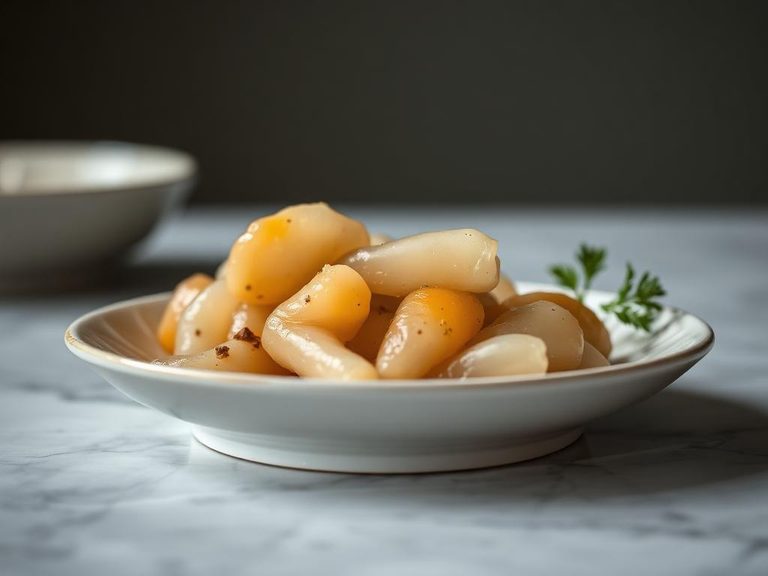
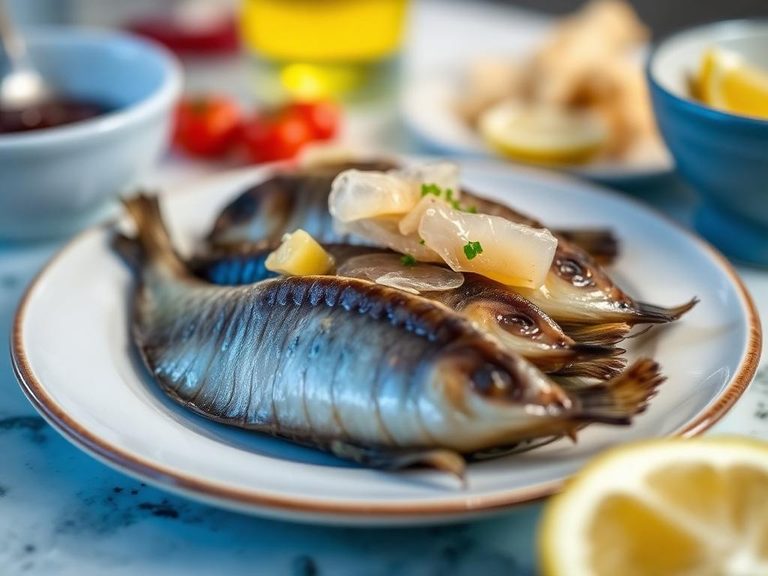
Pickled chiton is a traditional coastal delicacy, most notably associated with Indigenous cultures of the Pacific Northwest, made from the marine mollusk known as chiton (or gumboot). The meat is typically harvested, cleaned, and preserved in a brine of vinegar, salt, and sometimes sugar or spices. It has a chewy, clam-like texture and a briny, tangy flavor profile.
🍽️ Nutrition at a glance
This dish is primarily a source of lean protein and is very low in carbohydrates and fat. It provides essential minerals like iron, zinc, and selenium, with a moderate calorie count per serving, typically ranging from 80-120 kcal.
Nutrition breakdown
| Calories | 95 kcal |
| Protein | 18.5 g |
| Carbs | 1.2 g |
| Fat | 1.5 g |
| Fiber | 0 g |
| Sugar | 0.5 g |
| Sodium | 850 mg |
| Iron | 4.2 mg |
| Zinc | 2.8 mg |
| Selenium | 35 mcg |
| Vitamin B12 | 12 mcg |
| Phosphorus | 220 mg |
| Magnesium | 45 mg |
| Potassium | 280 mg |
| Copper | 0.6 mg |
Per 100 g (about 3.5 oz, drained) · estimated, varies by recipe
💡 What's interesting
Chitons are ancient mollusks with a unique shell made of eight overlapping plates, often called 'coat-of-mail shells.' Their preservation through pickling is a practical method for long-term storage in coastal environments and represents a unique intersection of marine biology and traditional foodways.