Pasta ai Frutti di Mare
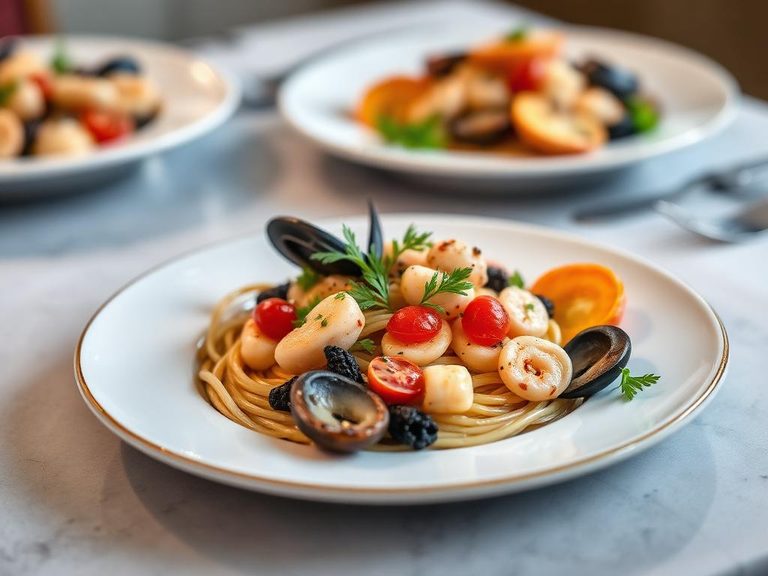
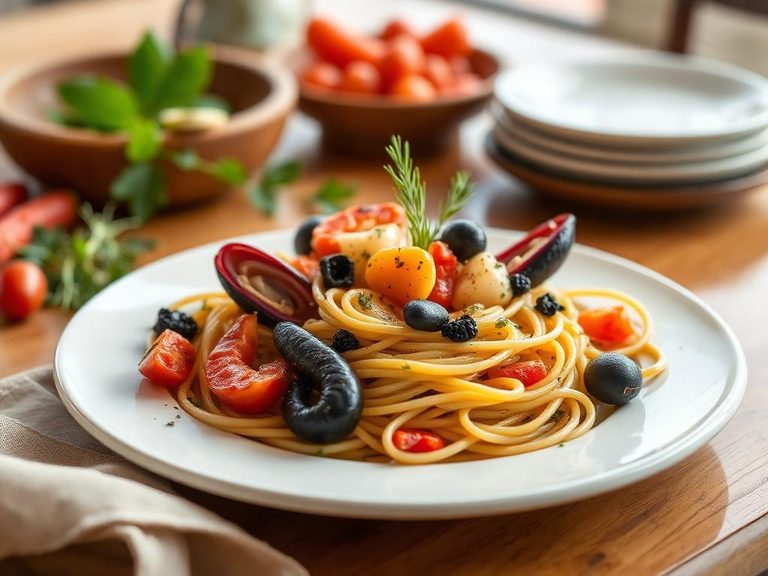
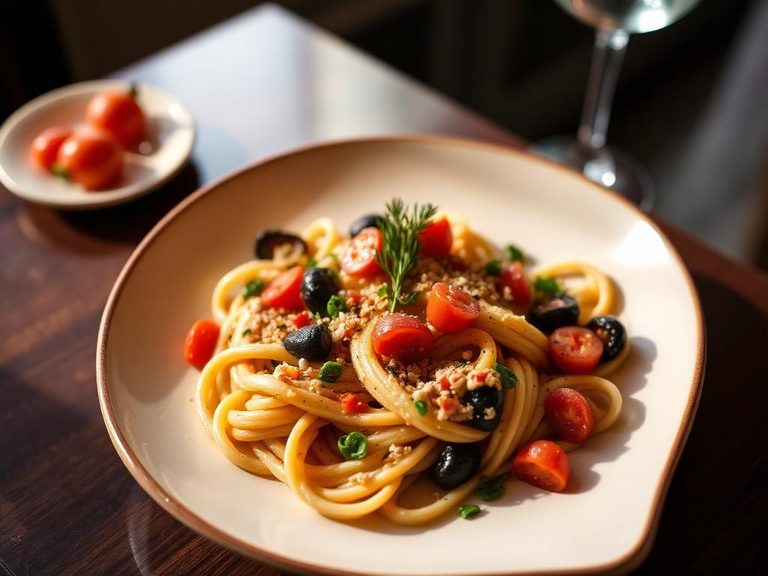
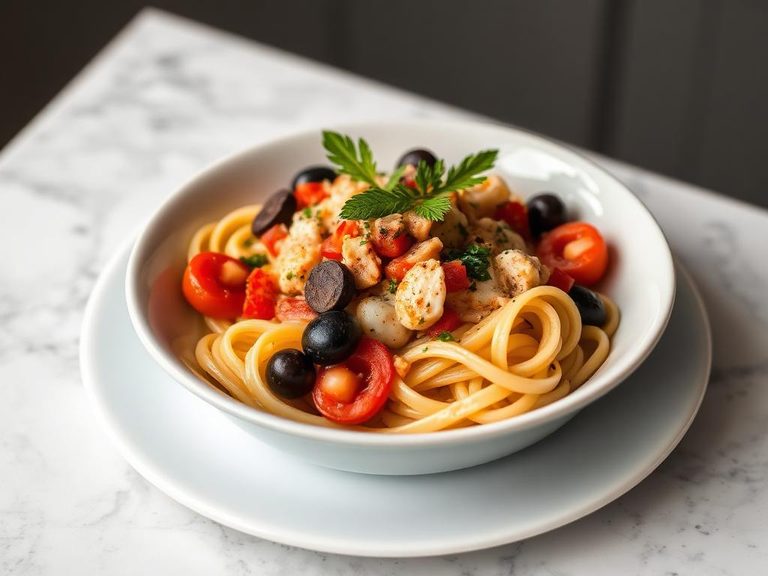
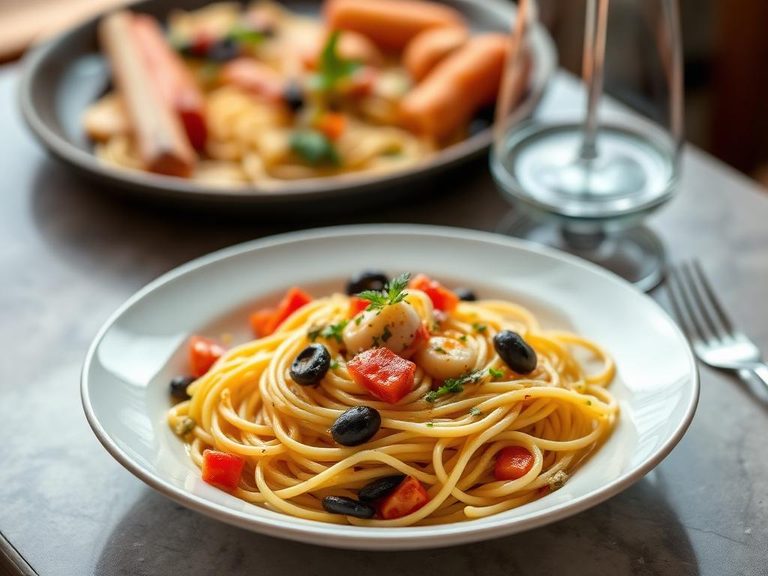
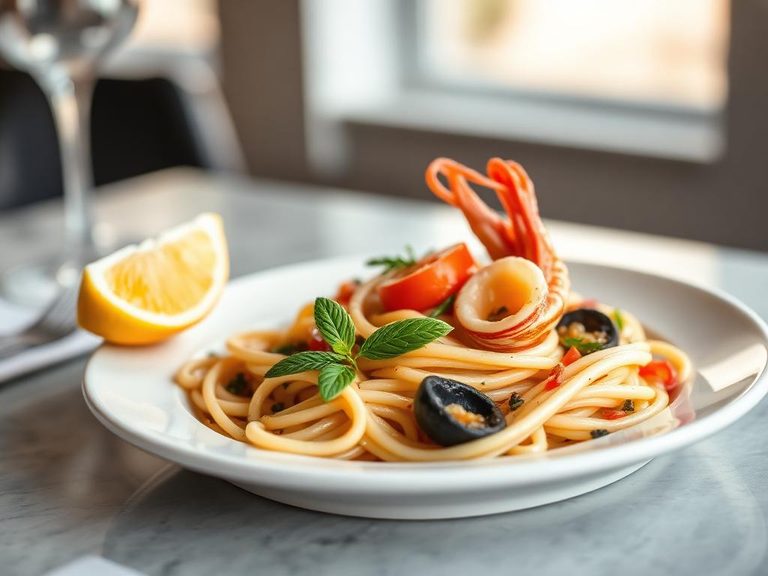
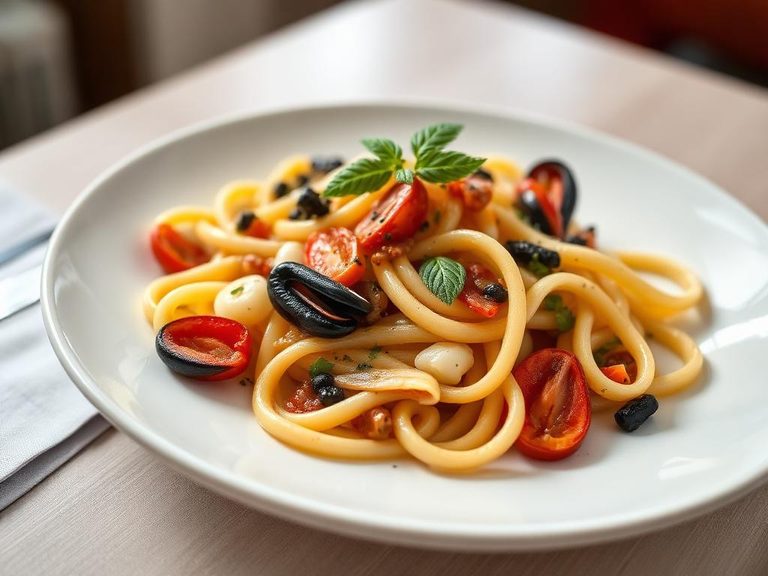
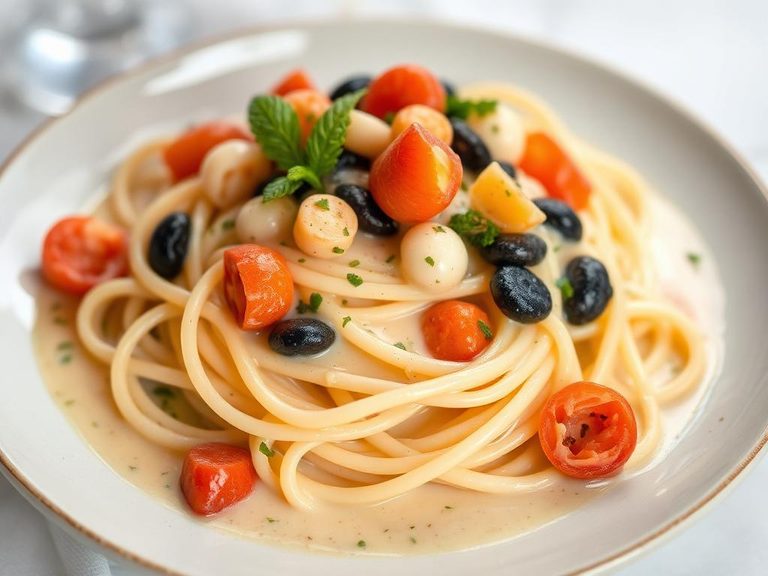
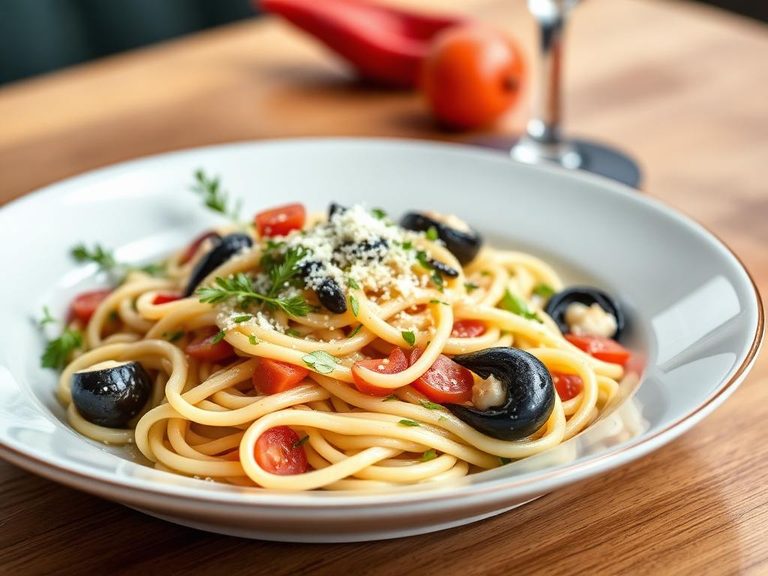
Pasta ai Frutti di Mare is a classic Italian seafood pasta dish, typically featuring a medley of fresh or frozen seafood like shrimp, mussels, clams, and squid, tossed with spaghetti or linguine in a light sauce of garlic, white wine, and olive oil. It originates from coastal regions of Italy, particularly Naples and the Amalfi Coast, where fresh seafood is abundant.
🍽️ Nutrition at a glance
This dish is moderately high in carbohydrates from the pasta and provides a good source of protein from the seafood, while being relatively low in fat if prepared with a light sauce. A typical serving offers key nutrients like omega-3 fatty acids, selenium, and vitamin B12, with a calorie range of approximately 500-700 per serving depending on portion size and sauce richness.
Nutrition breakdown
| Calories | 480 kcal |
| Protein | 32 g |
| Carbs | 55 g |
| Fat | 14 g |
| Fiber | 3 g |
| Sugar | 4 g |
| Sodium | 680 mg |
| Potassium | 520 mg |
| Phosphorus | 310 mg |
| Selenium | 58 µg |
| Vitamin B12 | 8.5 µg |
| Iron | 3.2 mg |
| Zinc | 4.1 mg |
| Vitamin C | 12 mg |
| Magnesium | 65 mg |
Per 1 plate (350 g) · estimated, varies by recipe
💡 What's interesting
Culturally, Pasta ai Frutti di Mare reflects Italy's deep maritime heritage and the principle of 'cucina povera' (peasant cooking), using simple, fresh ingredients to create a flavorful meal. Nutritionally, the combination of lean seafood and whole grains (if using whole-wheat pasta) makes it a balanced option that supports heart health and provides essential minerals often lacking in land-based diets.