Pan dulce
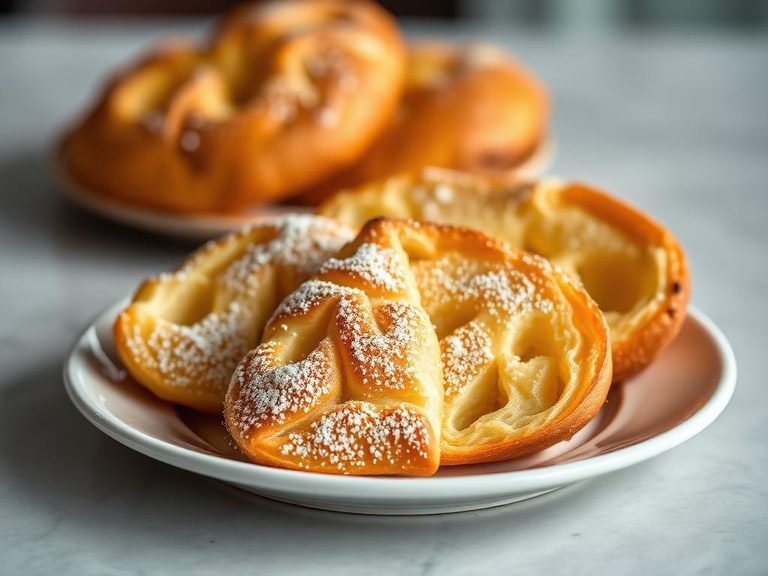
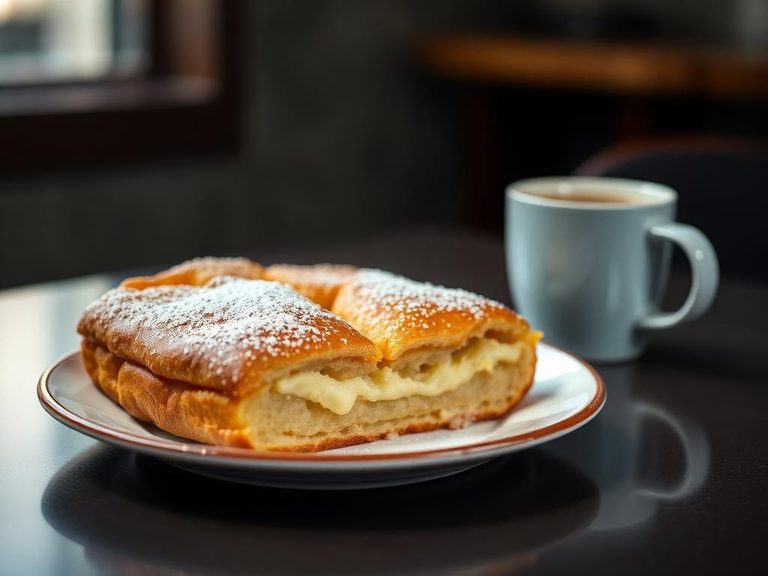
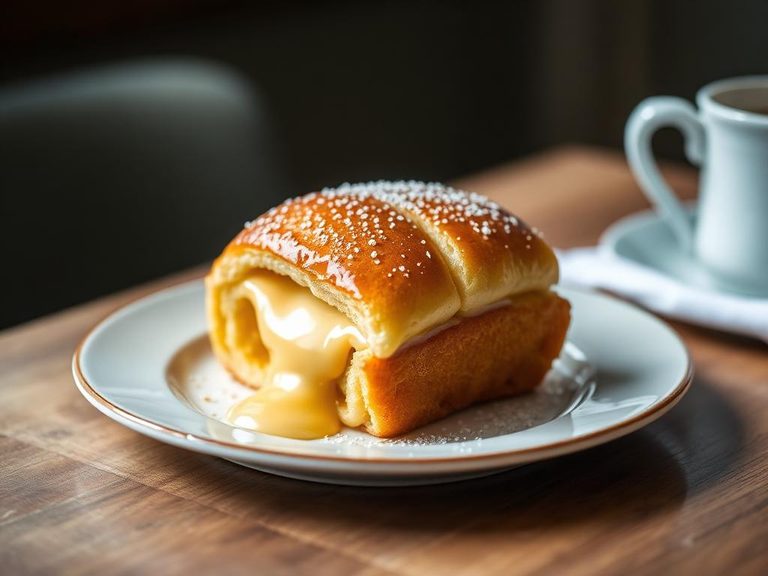
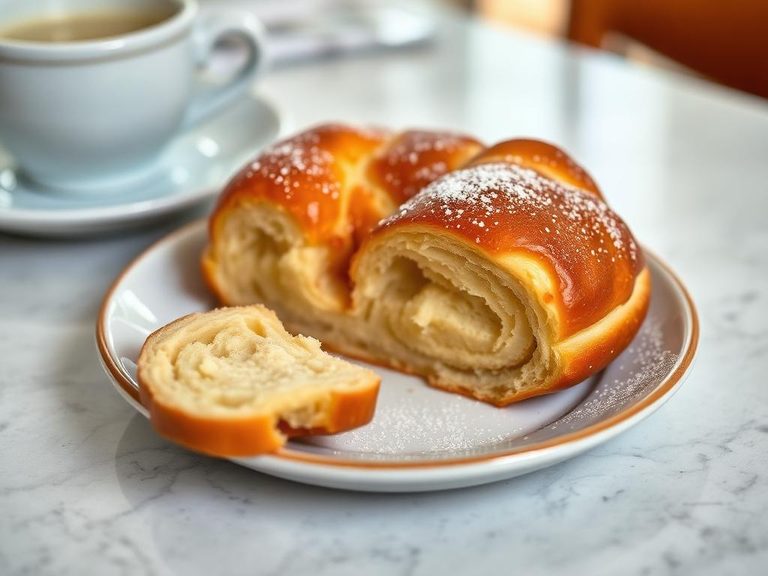
Pan dulce, meaning 'sweet bread' in Spanish, is a category of Mexican pastries known for their soft, slightly sweet dough and distinctive shapes and toppings. Common ingredients include wheat flour, sugar, butter, eggs, and yeast, with popular varieties like conchas featuring a crunchy sugar topping. It originates from Mexico and is a beloved staple in bakeries across the country and in many Latin American communities.
🍽️ Nutrition at a glance
Pan dulce is generally high in carbohydrates and fats, with moderate protein from the flour and eggs. A typical serving (like one concha) provides around 200-300 calories, along with some iron and B vitamins from the enriched flour, but is low in fiber and other micronutrients.
Nutrition breakdown
| Calories | 280 kcal |
| Protein | 4.5 g |
| Carbs | 42 g |
| Fat | 10 g |
| Fiber | 1.5 g |
| Sugar | 18 g |
| Sodium | 190 mg |
| Iron | 2.1 mg |
| Calcium | 45 mg |
| Potassium | 110 mg |
| Thiamine (B1) | 0.2 mg |
| Niacin (B3) | 1.8 mg |
| Folate | 40 mcg |
| Phosphorus | 60 mg |
| Magnesium | 10 mg |
Per 1 piece (approx. 80 g) · estimated, varies by recipe
💡 What's interesting
Culturally, pan dulce is deeply tied to Mexican daily life, often enjoyed for breakfast or with coffee, and its varied shapes and names (like 'cuernos' or 'orejas') reflect a rich tradition of local bakery craftsmanship. Nutritionally, while it offers quick energy from carbs, its high sugar and fat content make it an occasional treat rather than a dietary staple.