Pan Dulce as a breakfast pastry
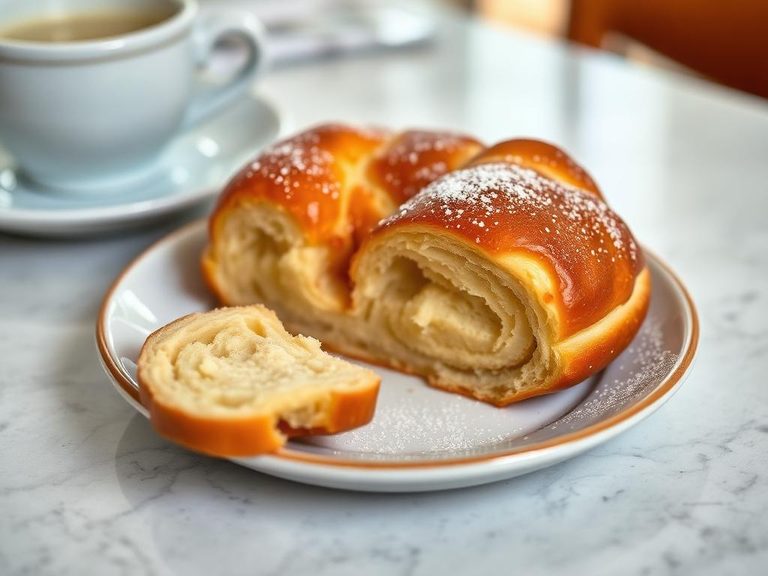
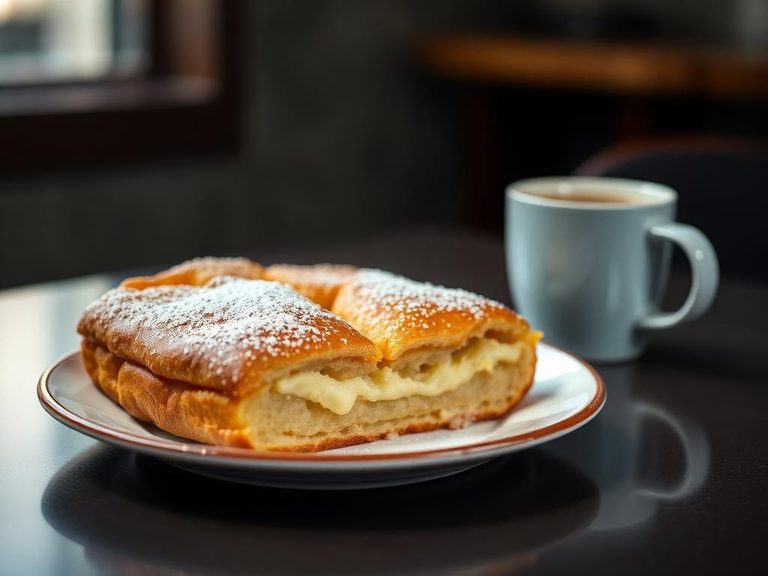
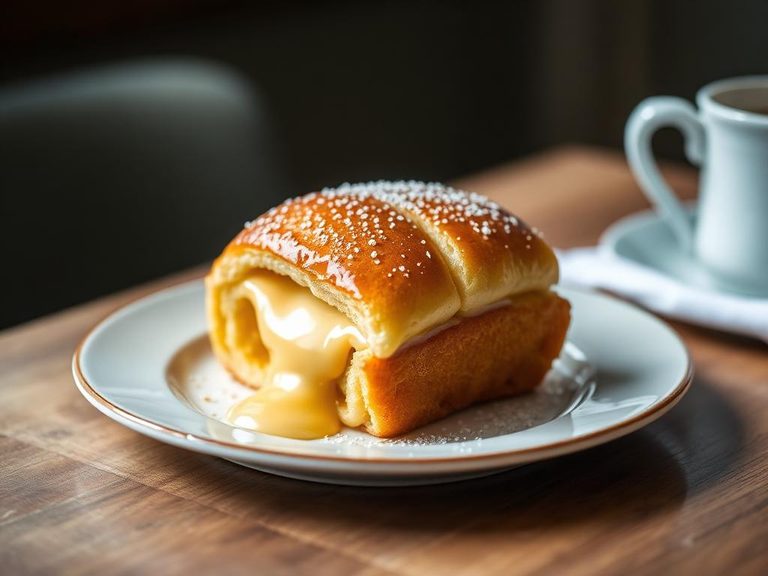
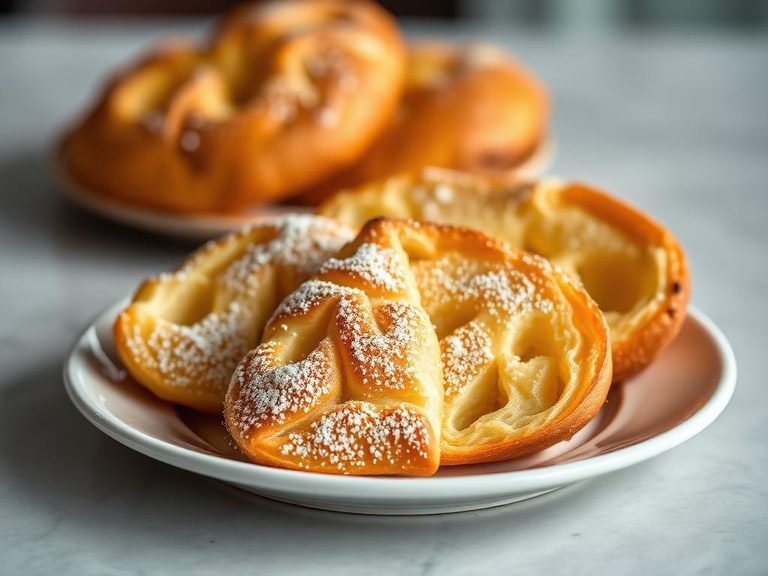
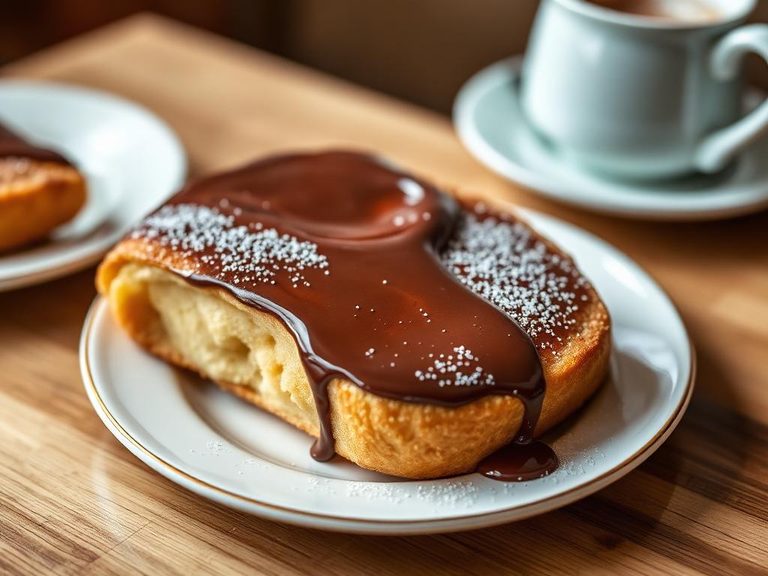
Pan Dulce, meaning 'sweet bread' in Spanish, is a category of Mexican pastries known for their vibrant colors, unique shapes, and soft, cake-like texture. Common varieties include the concha, cuernito, and oreja, typically made from a enriched dough of wheat flour, sugar, eggs, butter, and milk. This beloved breakfast staple originated in Mexico, with its roots tracing back to the colonial era when French and Spanish baking techniques merged with local ingredients.
🍽️ Nutrition at a glance
Pan Dulce is a high-carbohydrate and high-fat pastry, providing quick energy primarily from refined flour and sugar, with minimal protein. A single serving typically offers around 300-400 calories, along with small amounts of iron and B vitamins from the enriched flour.
Nutrition breakdown
| Calories | 320 kcal |
| Protein | 5 g |
| Carbs | 45 g |
| Fat | 14 g |
| Fiber | 1.5 g |
| Sugar | 18 g |
| Sodium | 180 mg |
| Iron | 2.5 mg |
| Thiamin (B1) | 0.2 mg |
| Niacin (B3) | 2.8 mg |
| Folate | 55 mcg |
| Calcium | 45 mg |
| Phosphorus | 60 mg |
| Potassium | 85 mg |
| Magnesium | 10 mg |
Per 1 concha (approx. 80 g) · estimated, varies by recipe
💡 What's interesting
Culturally, Pan Dulce is a cornerstone of the Mexican 'merienda' (afternoon snack) and breakfast, often enjoyed with coffee or hot chocolate. Its iconic concha topping, a sweet, cookie-like crust scored to resemble a seashell, is a unique and recognizable feature of this pastry tradition.