Ostrich Bobotie
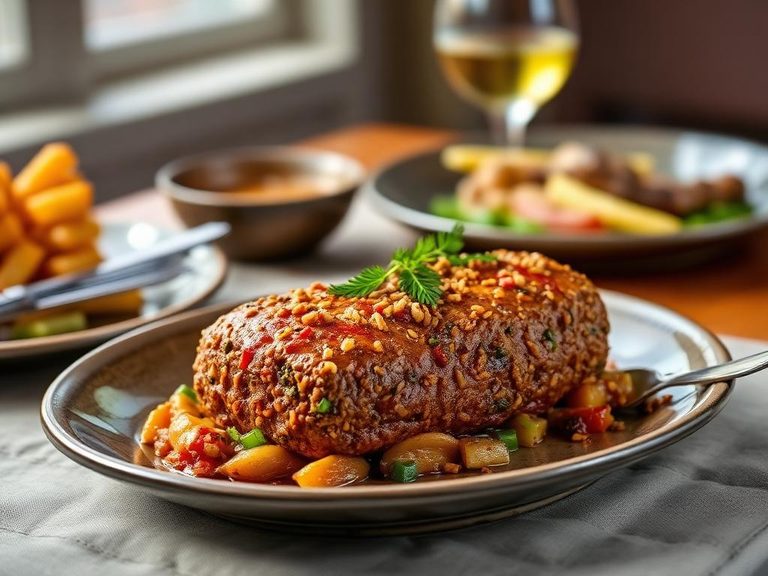
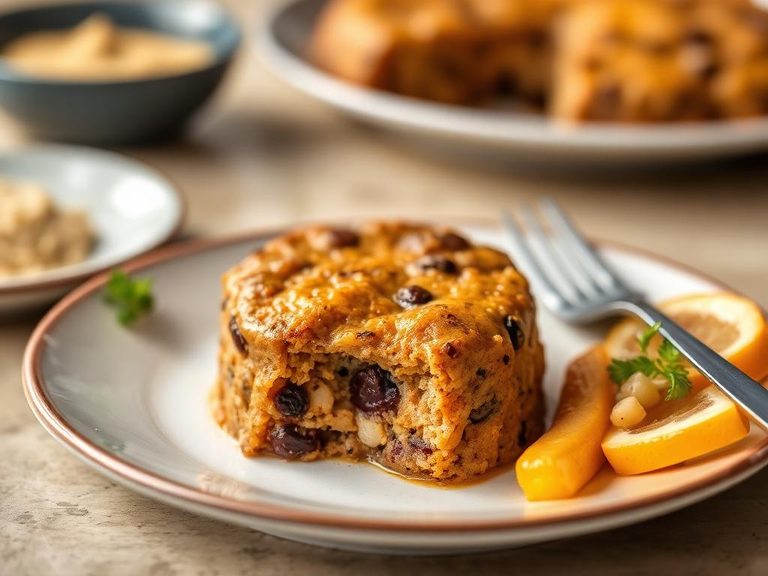
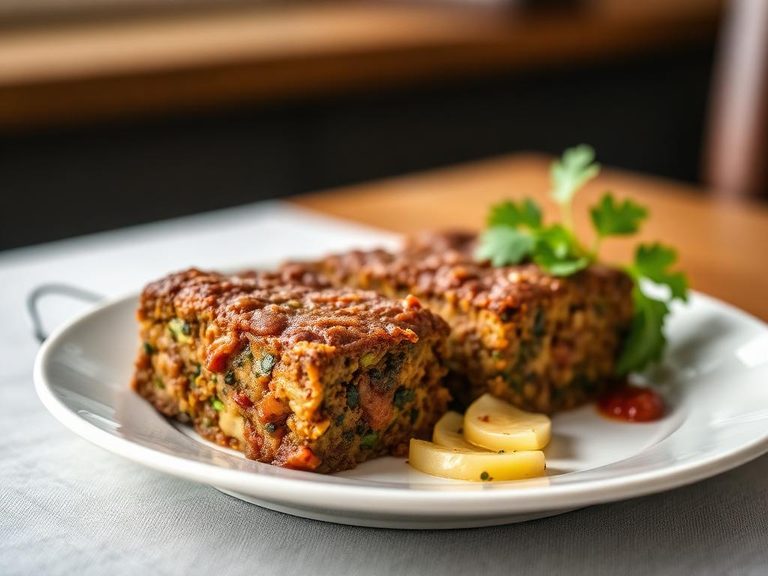
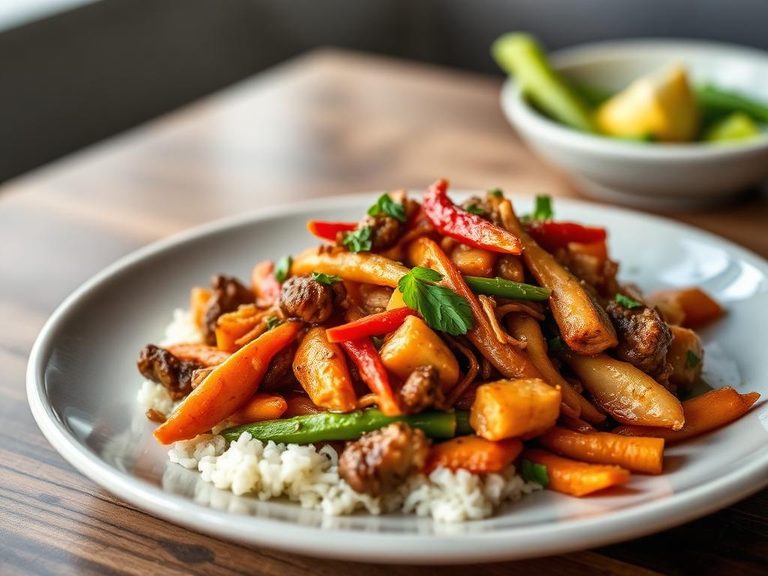
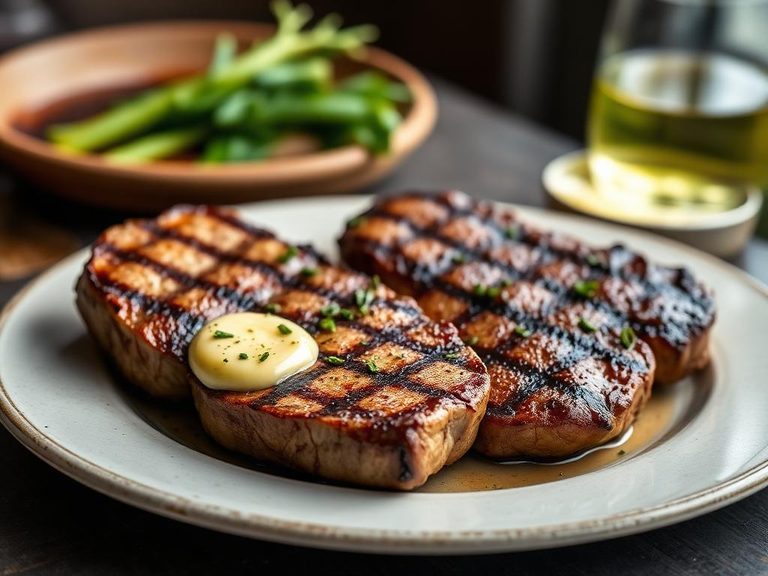
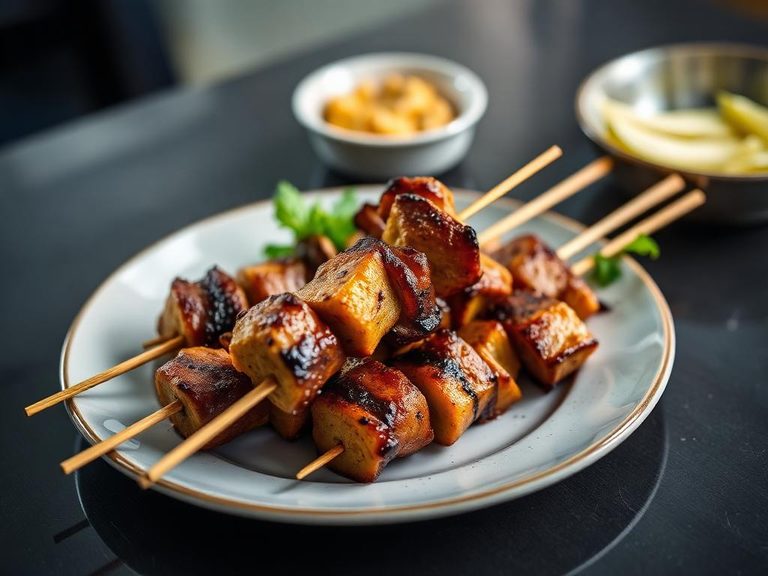
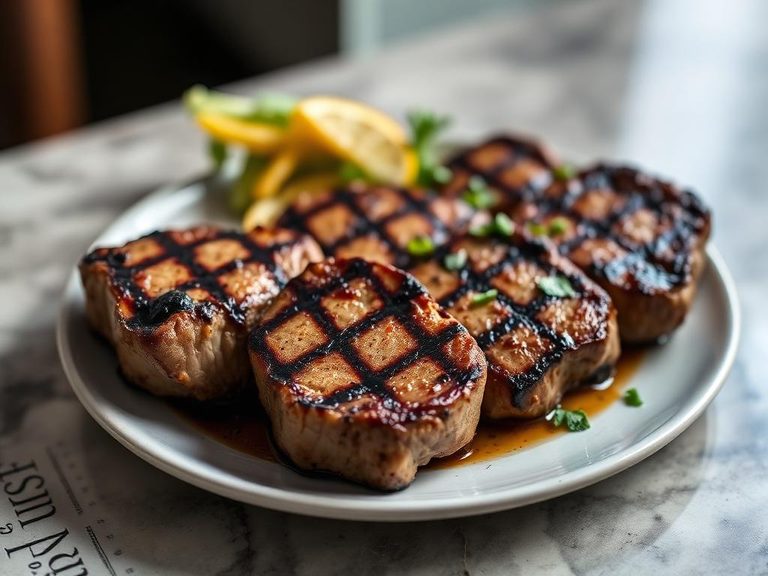
Ostrich Bobotie is a South African dish that reimagines the classic Cape Malay bobotie by using lean ostrich meat instead of the traditional beef or lamb. It features spiced minced ostrich meat baked with an egg-based topping, often incorporating ingredients like curry powder, turmeric, onions, and dried fruit. The dish is a unique fusion of indigenous African ingredients and Cape Malay culinary influences, reflecting South Africa's diverse food heritage.
🍽️ Nutrition at a glance
This dish is high in protein and relatively low in fat compared to traditional boboties made with red meat, making it a leaner option. It provides key nutrients like iron, zinc, and B vitamins from the ostrich meat, with a rough calorie ballpark of 350-450 kcal per serving.
Nutrition breakdown
| Calories | 380 kcal |
| Protein | 35 g |
| Carbs | 25 g |
| Fat | 12 g |
| Fiber | 3 g |
| Sugar | 8 g |
| Sodium | 550 mg |
| Iron | 4.5 mg |
| Zinc | 5 mg |
| Vitamin B12 | 2.5 mcg |
| Niacin (B3) | 8 mg |
| Phosphorus | 280 mg |
| Selenium | 18 mcg |
| Potassium | 420 mg |
| Vitamin B6 | 0.6 mg |
Per 1 cup (250 g) · estimated, varies by recipe
💡 What's interesting
Ostrich meat is nutritionally unique as a red meat that is exceptionally low in fat and cholesterol while being high in protein, often compared to chicken breast in its nutritional profile. Culturally, bobotie itself is a symbol of the Cape Malay community's culinary legacy, and using ostrich adds a modern, sustainable twist to a historic dish.