Nutrient-Dense Starter Meal
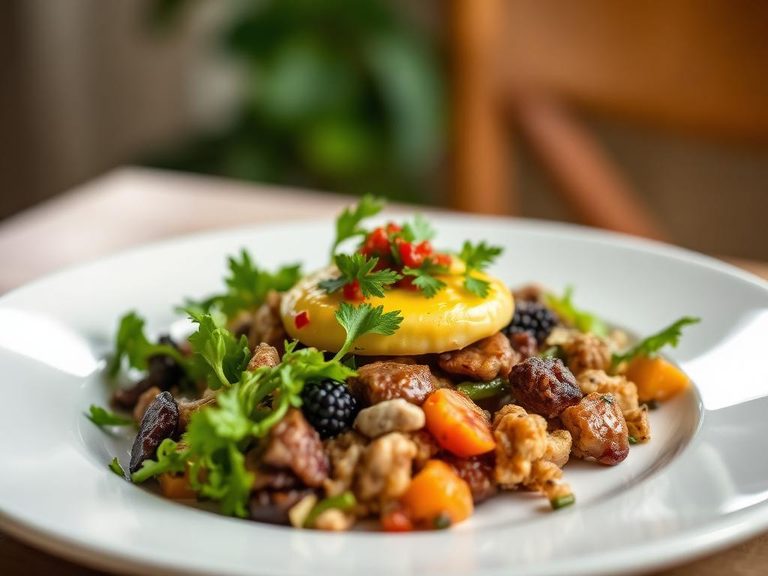
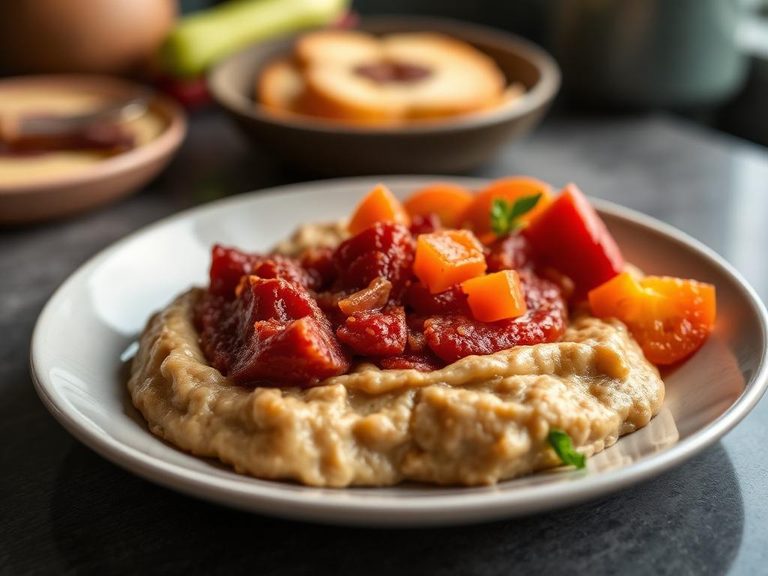
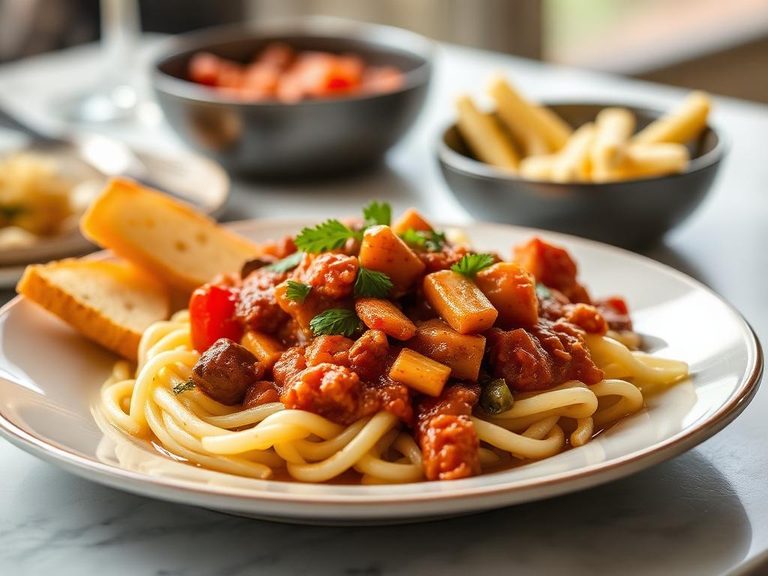
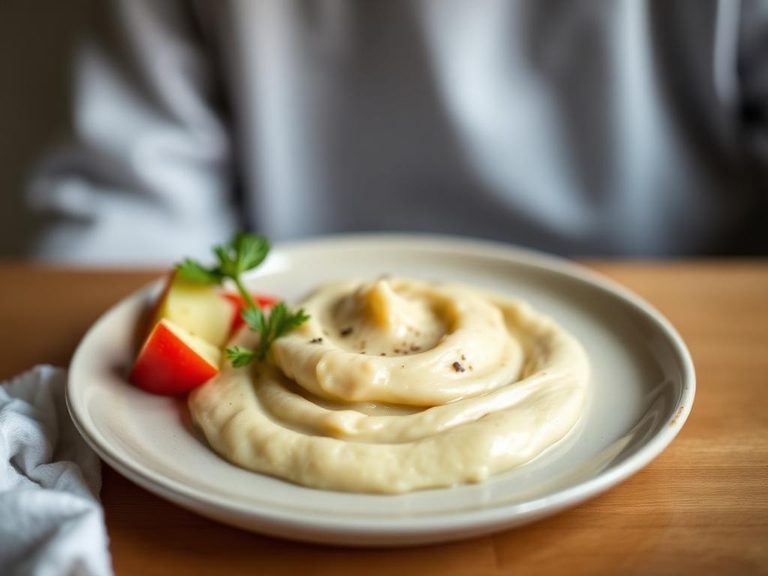
A nutrient-dense starter meal is a balanced, light dish designed to provide a strong foundation of vitamins, minerals, and macronutrients at the beginning of a meal. It typically features a combination of lean protein, complex carbohydrates, and healthy fats, often incorporating ingredients like eggs, whole grains, leafy greens, and seeds. While the concept is universal, it is particularly emphasized in health-conscious and traditional breakfast or brunch settings across many cultures.
🍽️ Nutrition at a glance
This meal is generally high in protein and fiber, with a moderate amount of healthy fats and complex carbohydrates. It provides a broad spectrum of key nutrients, including iron, calcium, and various B vitamins, and typically ranges from 300 to 450 calories per serving.
Nutrition breakdown
| Calories | 380 kcal |
| Protein | 22 g |
| Carbs | 35 g |
| Fat | 18 g |
| Fiber | 8 g |
| Sugar | 5 g |
| Sodium | 420 mg |
| Iron | 4.5 mg |
| Calcium | 280 mg |
| Vitamin A | 450 mcg RAE |
| Vitamin C | 25 mg |
| Folate | 180 mcg DFE |
| Potassium | 520 mg |
| Magnesium | 75 mg |
| Zinc | 3.2 mg |
Per 1 plate (approximately 300 g) · estimated, varies by recipe
💡 What's interesting
Nutritionally, it's designed to stabilize blood sugar and provide sustained energy, making it a strategic choice for starting the day. Culturally, many traditional breakfasts—like a Japanese set with grilled fish and miso soup or a Mediterranean plate with yogurt, vegetables, and nuts—embody this principle of a balanced, nutrient-rich first meal.