

Marinade for Meat
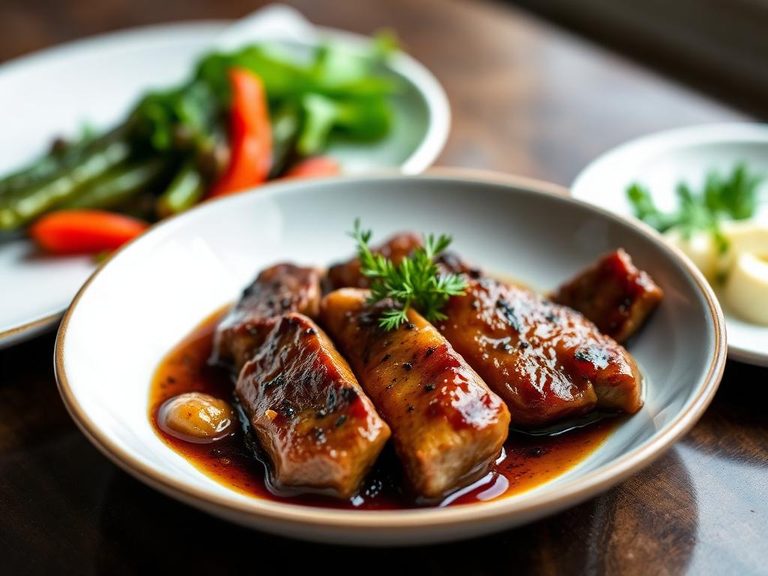
A marinade for meat is a flavorful liquid mixture used to tenderize and infuse meats with taste before cooking. It typically combines acidic components like citrus juice or vinegar, oils, herbs, and spices, and is a foundational technique in cuisines worldwide, from Asian soy-based blends to Latin American citrus mojo.
🍽️ Nutrition at a glance
Marinades are generally low in carbohydrates and protein, with calories primarily coming from the oil or sugar content. They contribute minimal calories per serving (often under 50 kcal) but add key antioxidants, sodium, and flavor compounds without significantly altering the meat's macronutrient profile.
Nutrition breakdown
| Calories | 45 kcal |
| Protein | 0.5 g |
| Carbs | 8 g |
| Fat | 1.5 g |
| Fiber | 0.5 g |
| Sugar | 6 g |
| Sodium | 900 mg |
| Sodium | 900 mg |
| Potassium | 80 mg |
| Iron | 0.3 mg |
| Vitamin C | 1 mg |
| Calcium | 10 mg |
| Magnesium | 5 mg |
| Phosphorus | 15 mg |
| Manganese | 0.1 mg |
Per 1/4 cup (60 g) · estimated, varies by recipe
💡 What's interesting
Culturally, marinades reflect regional flavor traditions and preservation history, such as using fermented pastes in Korean bulgogi or acidic fruit juices in Peruvian ceviche-style preparations. Nutritionally, certain ingredients like ginger or garlic in marinades may have antioxidant properties that help reduce harmful compounds formed during high-heat cooking.
🍽️ Related dishes
AI estimate may be inaccurate · Terms