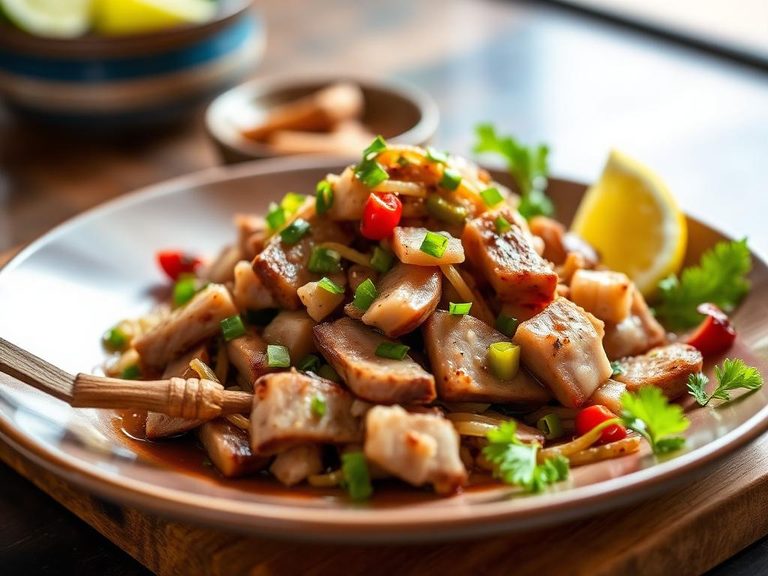
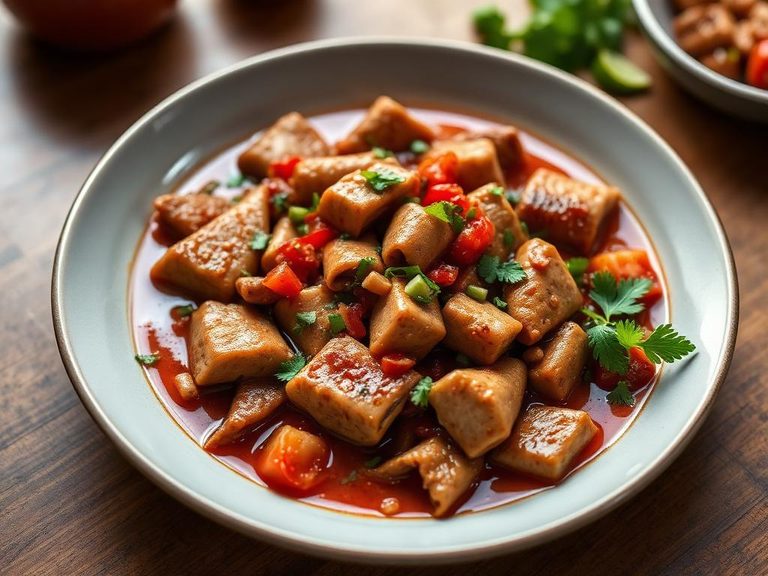
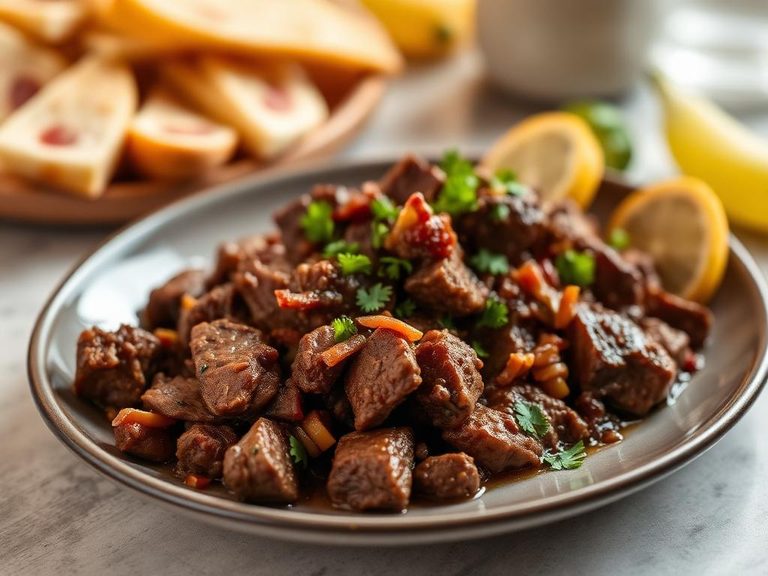
Lengua Guisada
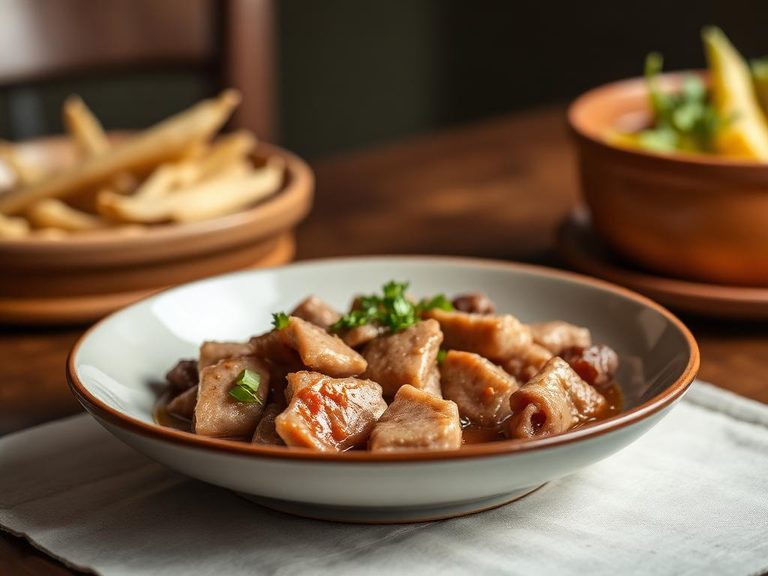
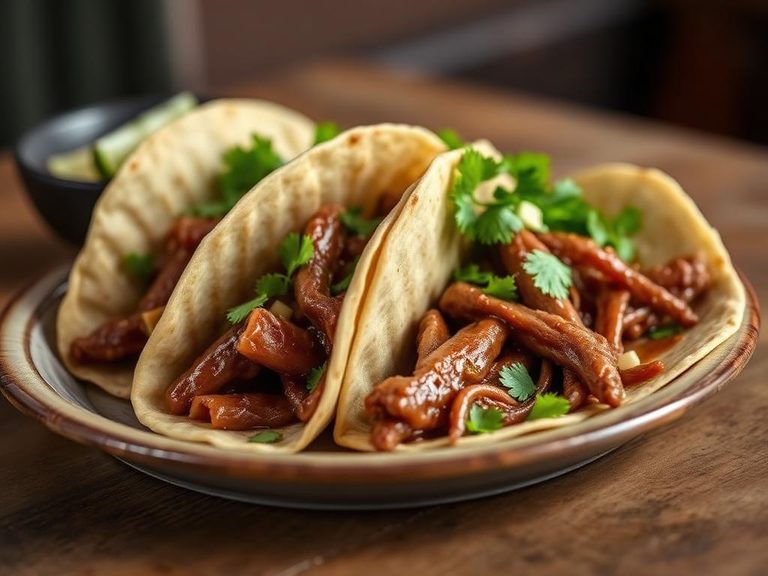
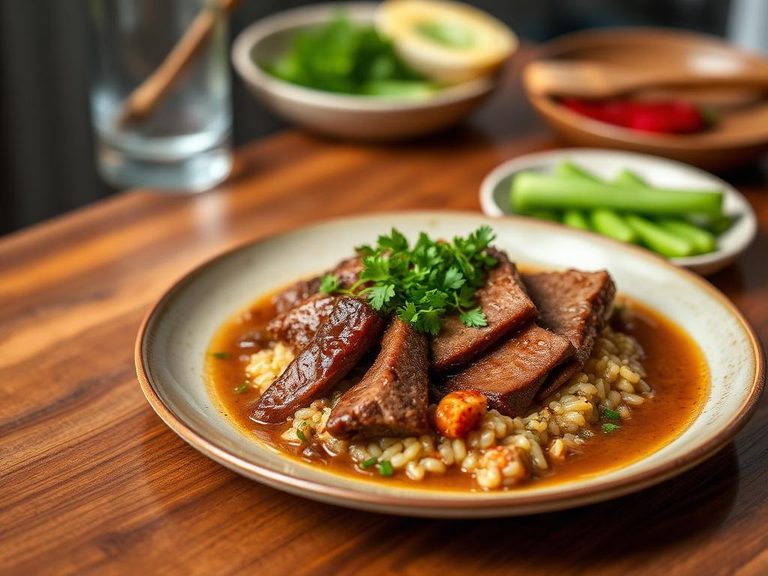
Lengua Guisada is a classic Latin American and Spanish dish of slow-braised beef tongue, typically simmered in a rich, savory tomato-based sauce with onions, garlic, and bell peppers until fork-tender. It's a hearty, comforting meal often served with rice, potatoes, or crusty bread to soak up the flavorful sauce. The dish is a staple in home cooking across countries like Puerto Rico, the Dominican Republic, Mexico, and Spain.
🍽️ Nutrition at a glance
This dish is a high-protein, moderate-fat meal with very few carbohydrates, primarily from the sauce vegetables. It provides significant iron, zinc, and B vitamins, especially B12, from the beef tongue, with a typical serving containing roughly 350-450 calories.
Nutrition breakdown
| Calories | 380 kcal |
| Protein | 35 g |
| Carbs | 8 g |
| Fat | 22 g |
| Fiber | 2 g |
| Sugar | 4 g |
| Sodium | 650 mg |
| Vitamin B12 | 8.5 mcg |
| Iron | 4.2 mg |
| Zinc | 7.8 mg |
| Niacin (B3) | 8.1 mg |
| Selenium | 35 mcg |
| Phosphorus | 280 mg |
| Potassium | 420 mg |
| Vitamin B6 | 0.6 mg |
Per 1 cup (240 g) with sauce · estimated, varies by recipe
💡 What's interesting
Culturally, lengua guisada is a prime example of 'nose-to-tail' eating, transforming a less common cut into a celebrated delicacy. Nutritionally, beef tongue is surprisingly lean and nutrient-dense, offering more iron and fewer calories than many other beef cuts when prepared this way.