Lengua Encebollada

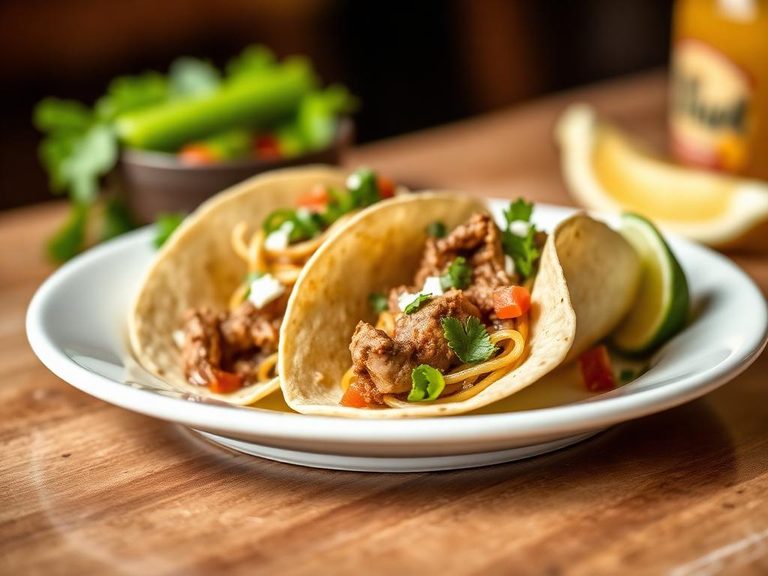
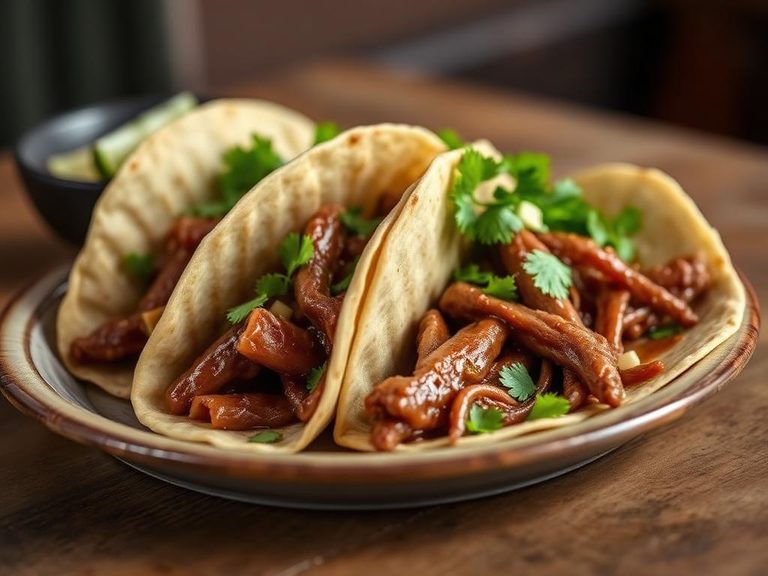
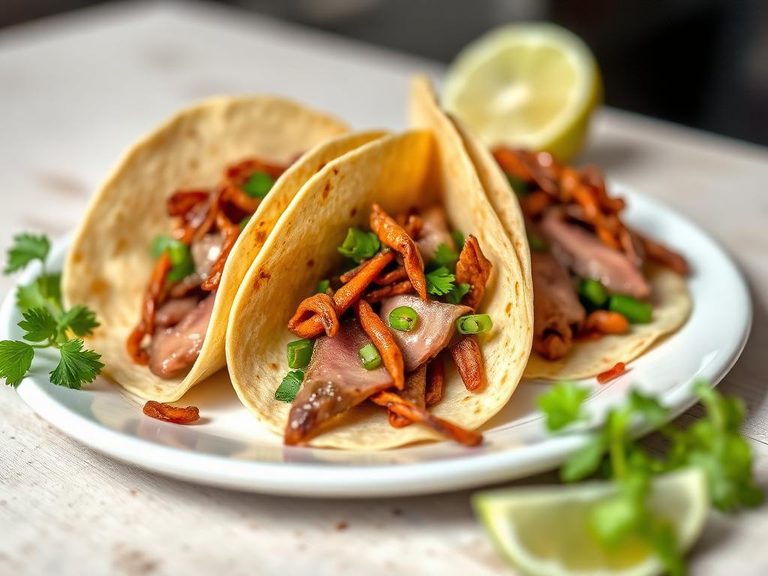
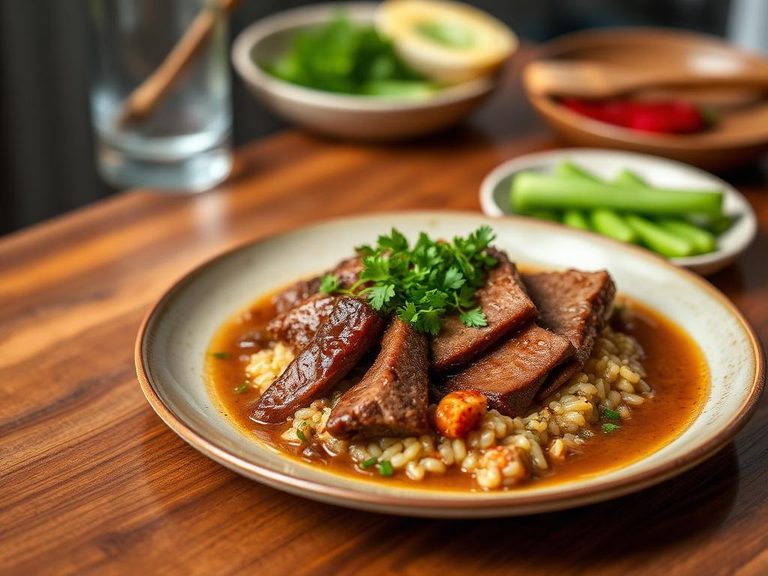
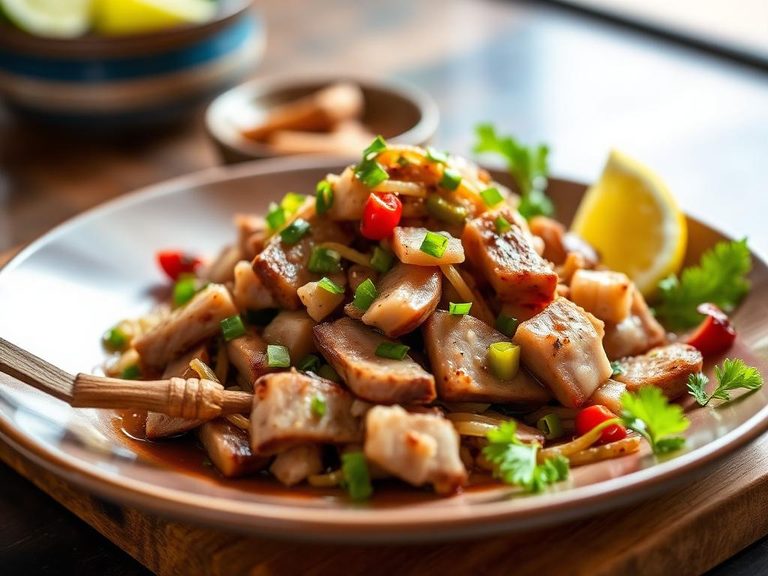
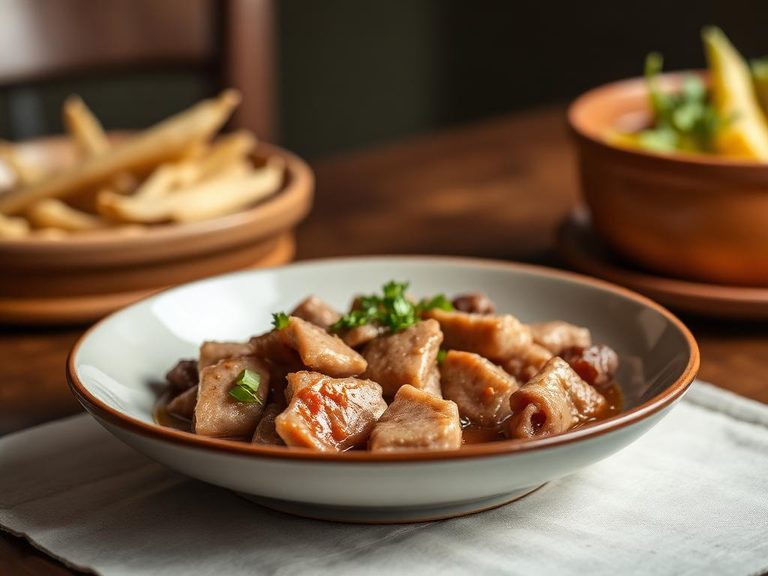
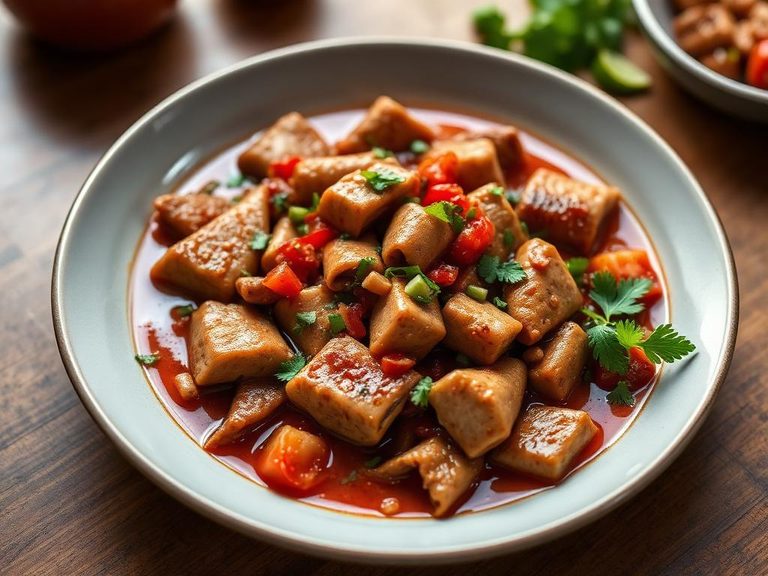
Lengua Encebollada is a traditional Latin American dish featuring tender, slow-cooked beef tongue smothered in a rich, savory onion sauce. The dish is a staple in countries like Mexico, Colombia, and Venezuela, where it's often served with rice, beans, or tortillas. The name literally translates to 'tongue with onions,' highlighting its two main components.
🍽️ Nutrition at a glance
This dish is a high-protein, moderate-fat meal, with the beef tongue providing essential amino acids and iron. A typical serving contains roughly 350-450 calories, depending on the cut of tongue and the amount of oil used in the onion sauce.
Nutrition breakdown
| Calories | 380 kcal |
| Protein | 32 g |
| Carbs | 8 g |
| Fat | 24 g |
| Fiber | 2 g |
| Sugar | 5 g |
| Sodium | 650 mg |
| Vitamin B12 | 5.5 mcg |
| Iron | 3.2 mg |
| Zinc | 6.8 mg |
| Niacin (B3) | 8.5 mg |
| Phosphorus | 280 mg |
| Selenium | 30 mcg |
| Potassium | 320 mg |
| Vitamin B6 | 0.6 mg |
Per 1 serving (about 200 g of cooked tongue with sauce) · estimated, varies by recipe
💡 What's interesting
Culturally, lengua encebollada is a testament to nose-to-tail eating traditions, transforming a humble cut of meat into a celebrated comfort food. Nutritionally, beef tongue is surprisingly rich in vitamin B12 and zinc, making it a nutrient-dense choice.