

Layer in homemade candy bars or bark
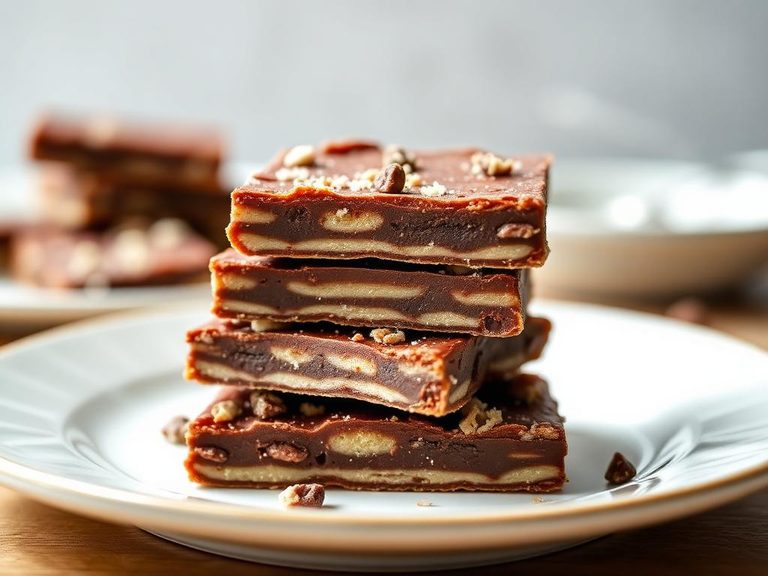
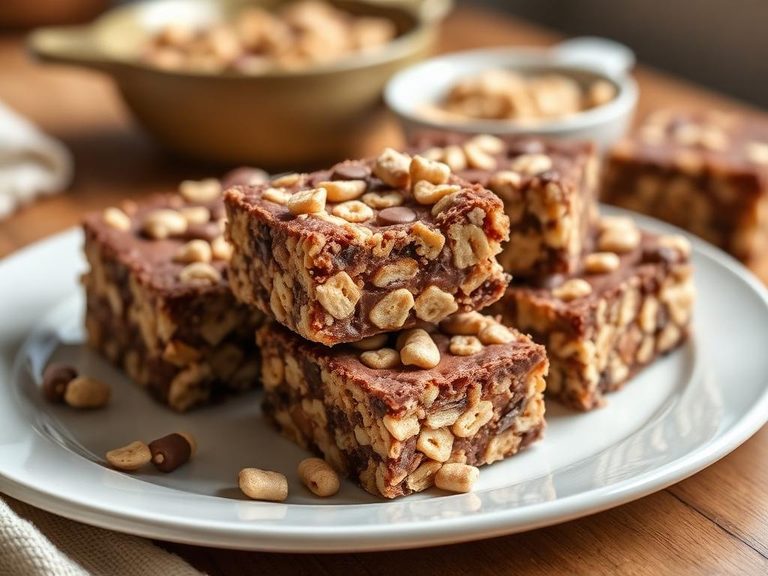
Layering in homemade candy bars or bark is a customizable dessert technique where ingredients like nuts, dried fruits, or cookies are layered between melted chocolate or candy coatings. It typically features a base of chocolate, caramel, or nougat, with added textures and flavors, and is popular in home kitchens across North America and Europe for its simplicity and versatility.
🍽️ Nutrition at a glance
This treat is generally high in fat and carbohydrates due to chocolate and added sugars, providing quick energy but limited protein. A typical serving (about 1 ounce) can range from 150 to 250 calories, with key nutrients like antioxidants from dark chocolate or small amounts of fiber from nuts.
Nutrition breakdown
| Calories | 210 kcal |
| Protein | 2.5 g |
| Carbs | 24 g |
| Fat | 13 g |
| Fiber | 1.5 g |
| Sugar | 18 g |
| Sodium | 45 mg |
| Calcium | 20 mg |
| Iron | 1.2 mg |
| Magnesium | 25 mg |
| Phosphorus | 50 mg |
| Potassium | 120 mg |
| Zinc | 0.5 mg |
| Vitamin B1 (Thiamin) | 0.05 mg |
| Vitamin B2 (Riboflavin) | 0.08 mg |
Per 1 piece (40 g) · estimated, varies by recipe
💡 What's interesting
Homemade candy bark or bars reflect a DIY food culture that emphasizes personalization, allowing for endless variations like vegan, gluten-free, or gourmet versions. Nutritionally, it can be adapted to include healthier ingredients like seeds or dark chocolate, making it a flexible option for both indulgence and mindful snacking.
🍽️ Related dishes




AI estimate may be inaccurate · Terms