Japanese Toriniku no Koban
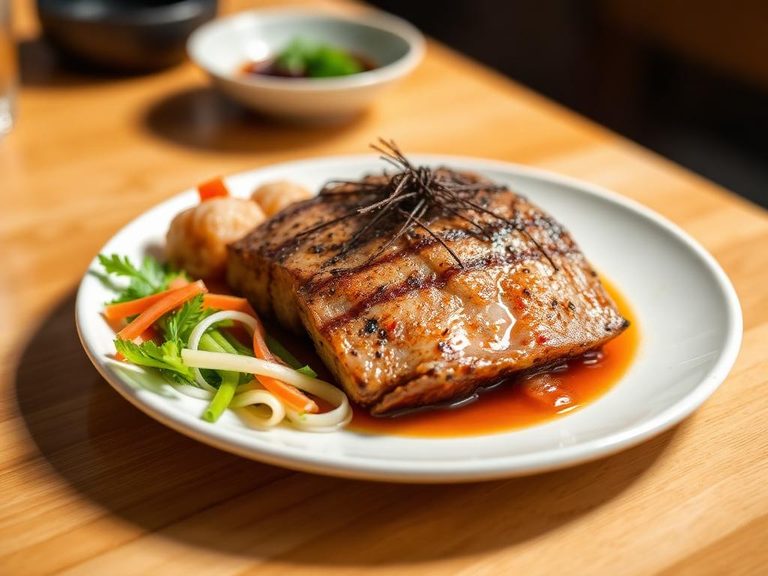
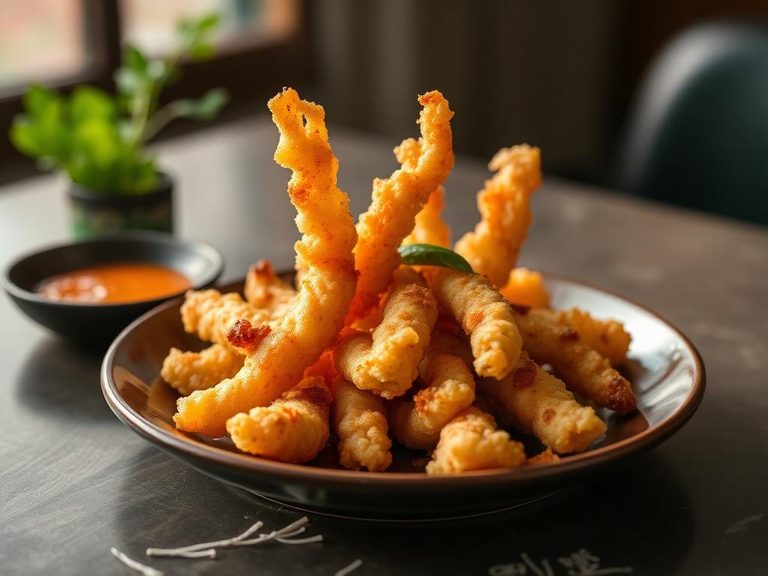
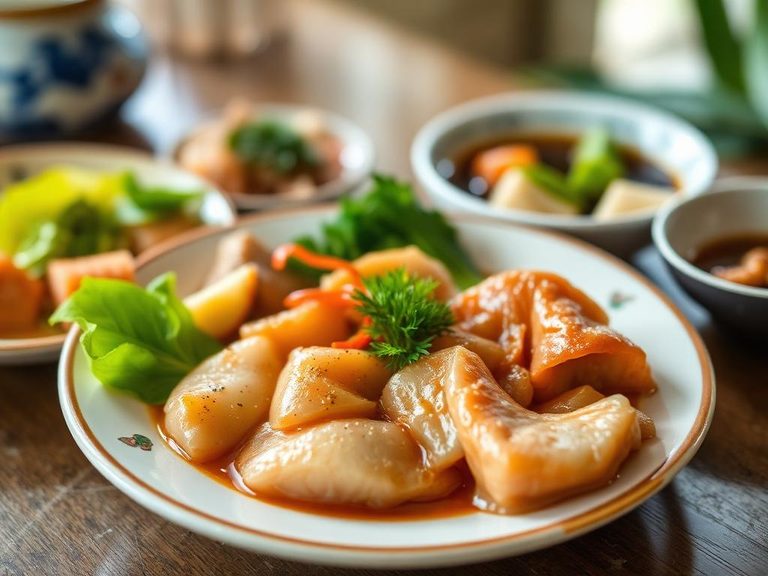
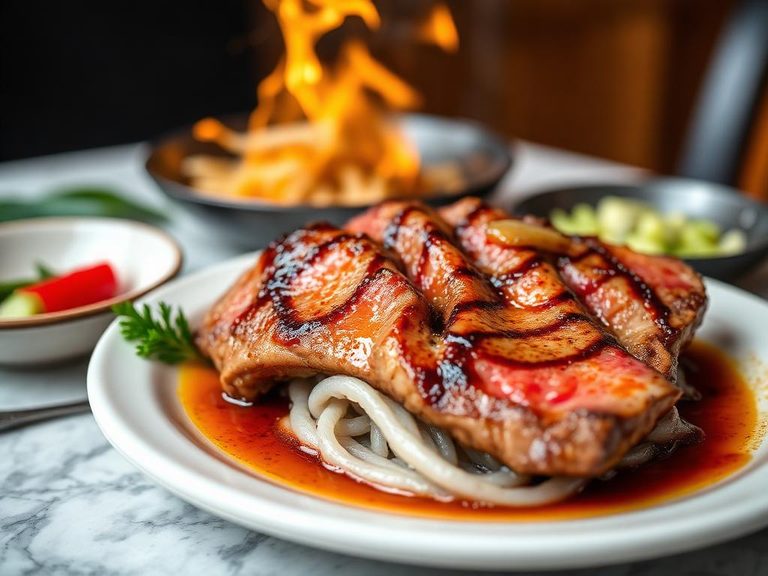
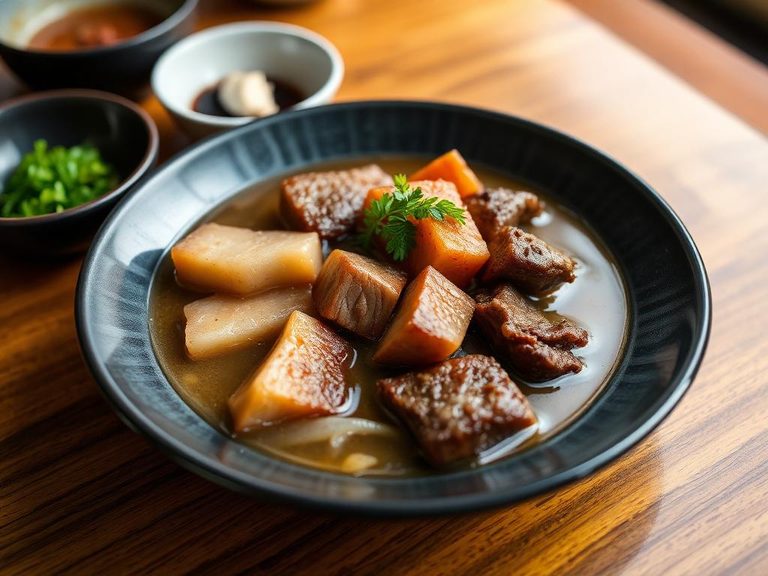
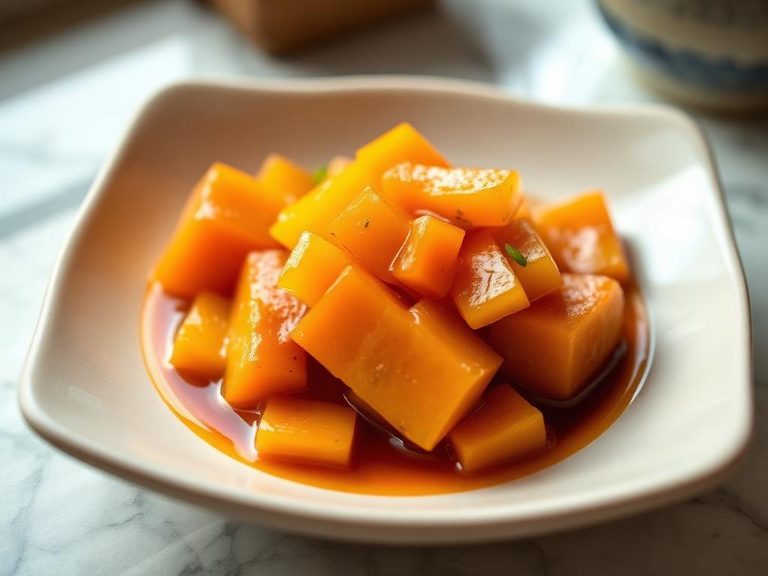
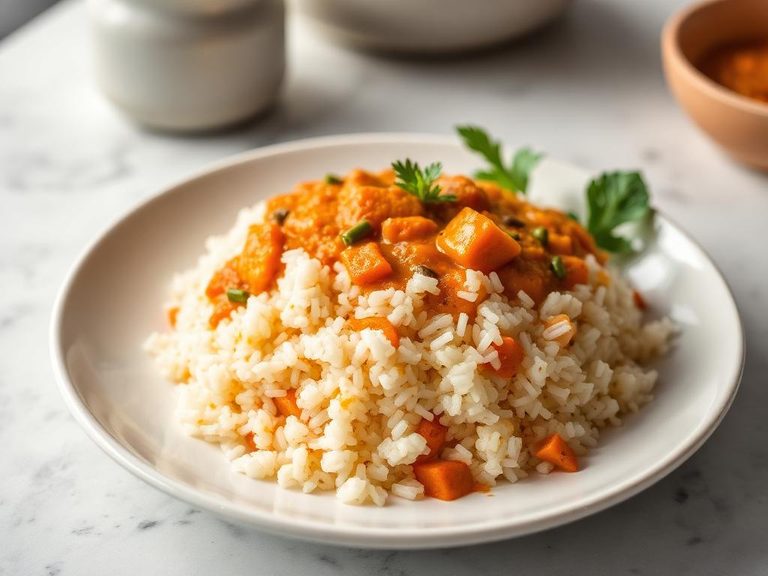
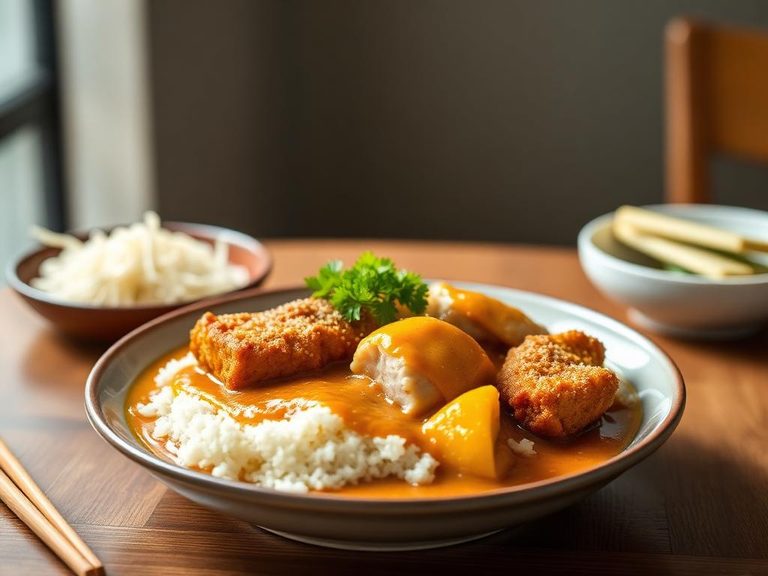
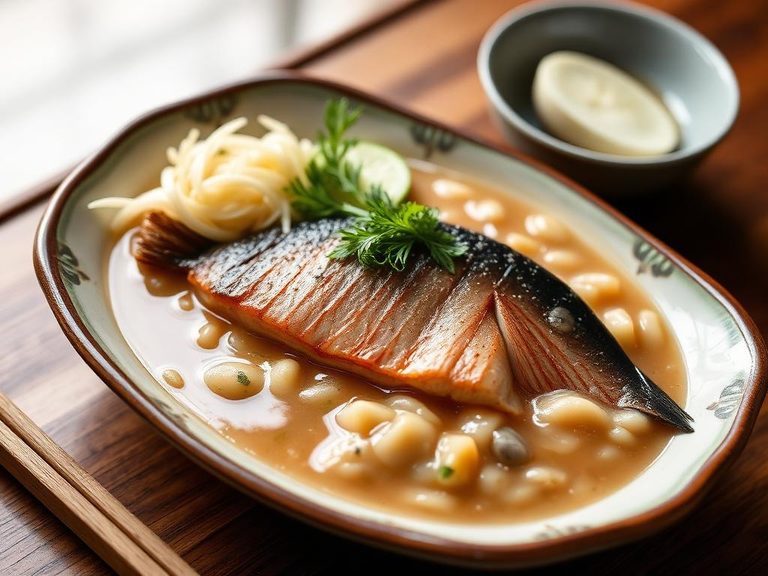
Japanese Toriniku no Koban (鳥肉の小判) is a traditional dish from the Tōhoku region, particularly Akita Prefecture, featuring thin, oval-shaped slices of chicken (often thigh) marinated in a sweet soy-based sauce and grilled or pan-fried. The name 'koban' refers to the gold coins of the Edo period, which the chicken slices resemble. It's a classic example of Japanese home-style cooking, often enjoyed as a savory side dish or bento item.
🍽️ Nutrition at a glance
This dish is primarily a source of high-quality protein from the chicken, with moderate fat content depending on the cut used. A typical serving provides essential nutrients like B vitamins (especially niacin and B6), selenium, and phosphorus, with a calorie count roughly in the range of 250-350 kcal.
Nutrition breakdown
| Calories | 280 kcal |
| Protein | 28 g |
| Carbs | 8 g |
| Fat | 15 g |
| Fiber | 0.5 g |
| Sugar | 6 g |
| Sodium | 650 mg |
| Niacin (Vitamin B3) | 8.5 mg |
| Vitamin B6 | 0.6 mg |
| Selenium | 24 mcg |
| Phosphorus | 220 mg |
| Zinc | 2.1 mg |
| Potassium | 310 mg |
| Iron | 1.2 mg |
| Magnesium | 30 mg |
Per 4 pieces (approx. 150 g) · estimated, varies by recipe
💡 What's interesting
Culturally, the dish's name and shape are a clever culinary metaphor, turning a simple protein into something visually evocative of historical currency. Nutritionally, the marinade's soy sauce contributes umami and sodium, while the grilling method allows some fat to render off, making it a relatively lean yet flavorful protein preparation.