Japanese Gohan
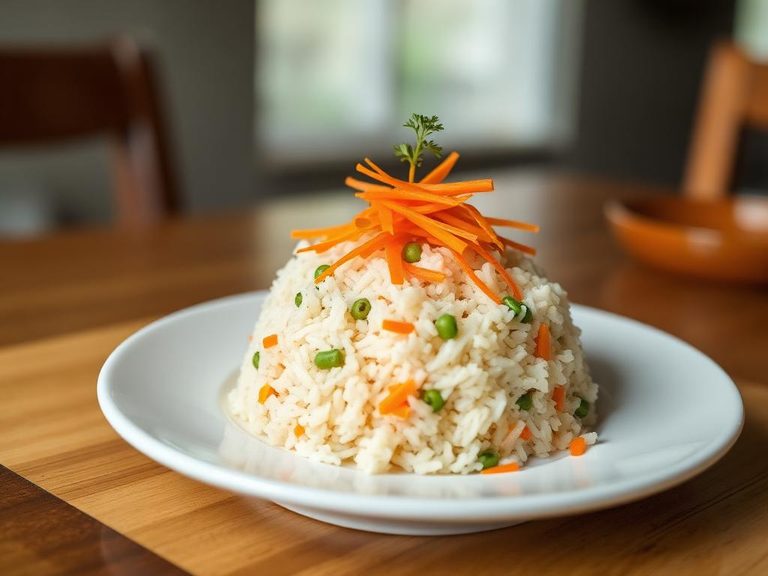
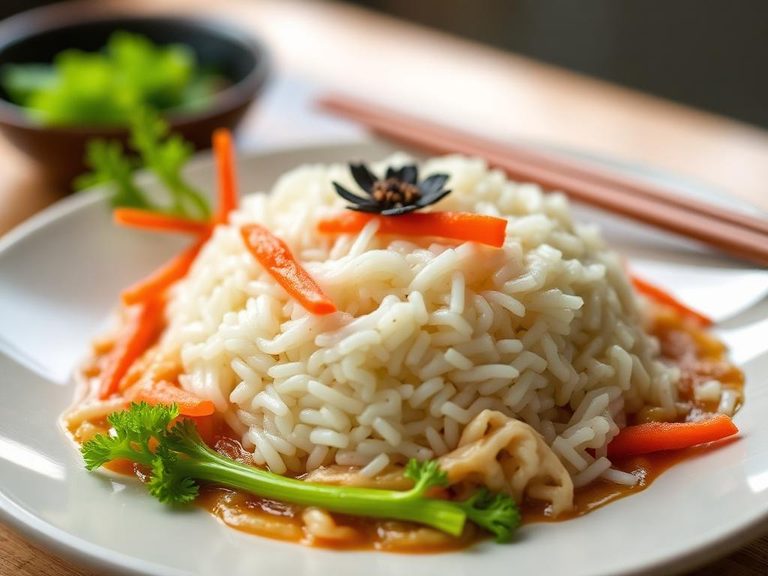
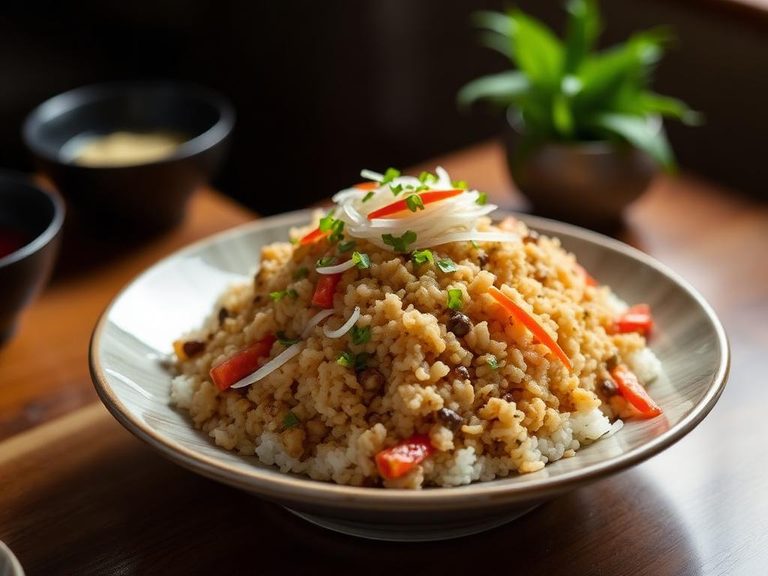
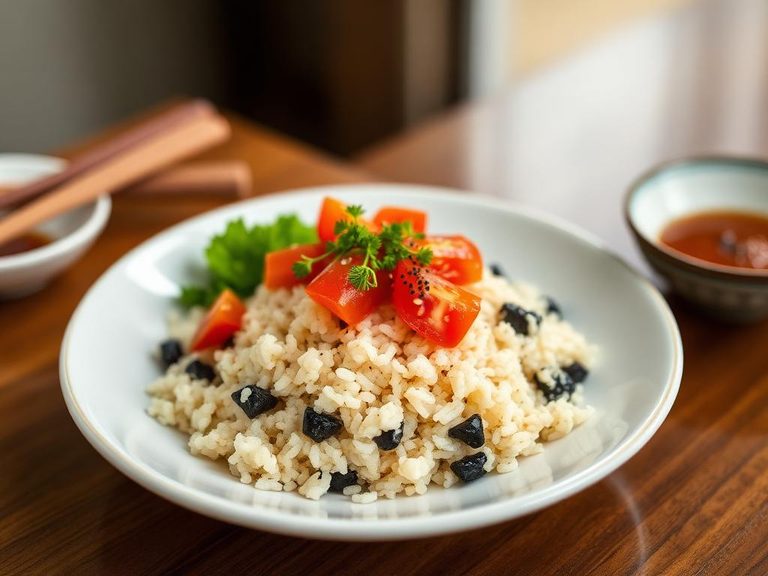
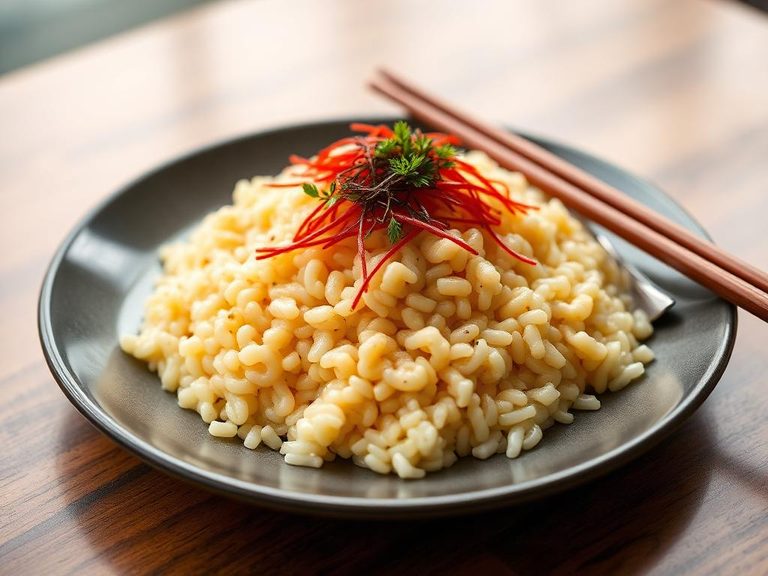
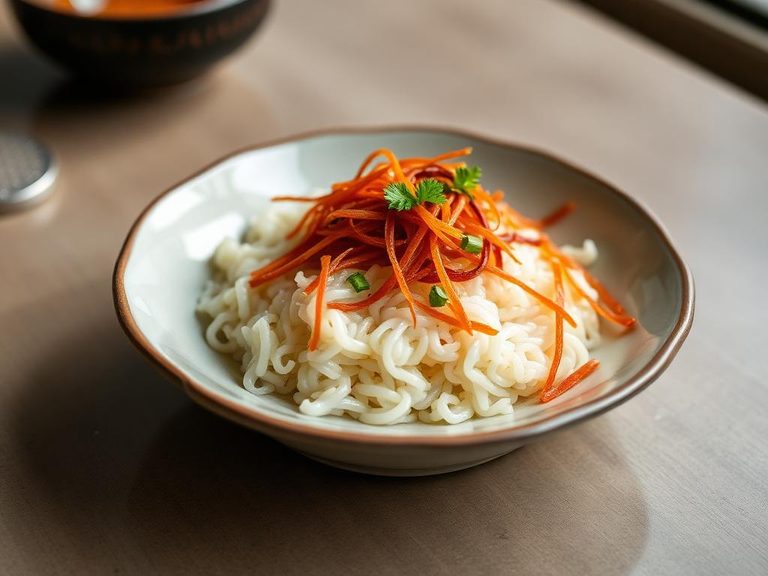
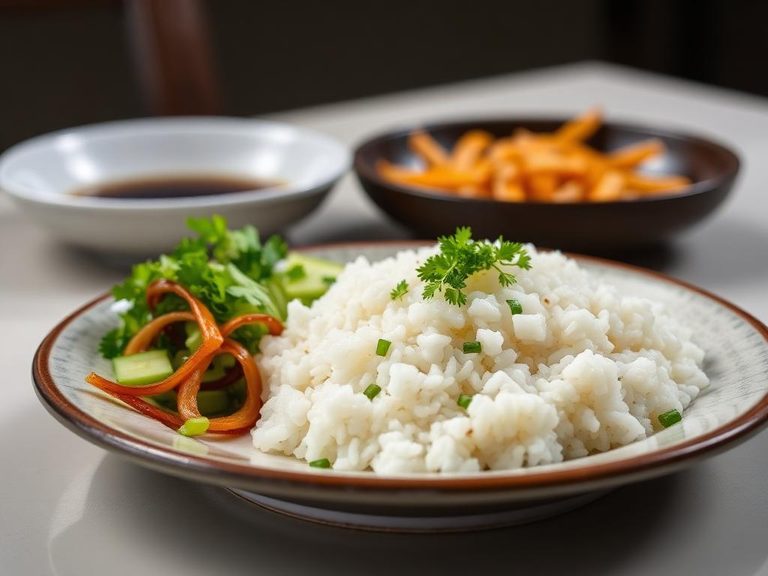
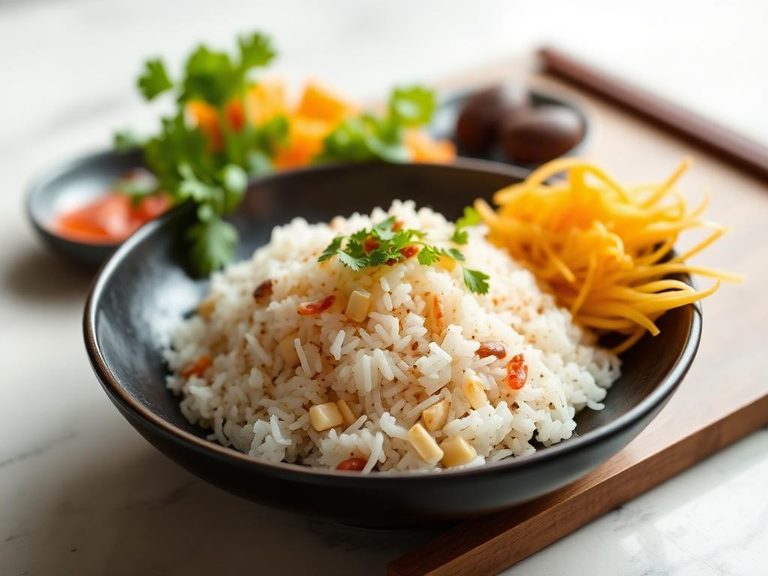
Japanese Gohan with carrot, often called Ninjin Gohan, is a simple and comforting mixed rice dish where diced carrots are cooked together with rice, typically seasoned with a light blend of soy sauce, mirin, and dashi. It is a classic example of a home-style Japanese side dish, highlighting the natural sweetness of the carrot.
🍽️ Nutrition at a glance
This dish is primarily a source of carbohydrates from the rice, with the carrot adding dietary fiber, beta-carotene (a precursor to vitamin A), and other vitamins. A typical serving contains roughly 200-250 calories, with minimal fat and a modest amount of protein.
Nutrition breakdown
| Calories | 250 kcal |
| Protein | 4.5 g |
| Carbs | 55 g |
| Fat | 1.5 g |
| Fiber | 2.5 g |
| Sugar | 4 g |
| Sodium | 350 mg |
| Potassium | 220 mg |
| Iron | 1.2 mg |
| Magnesium | 30 mg |
| Phosphorus | 80 mg |
| Vitamin A | 250 mcg RAE |
| Vitamin B1 (Thiamine) | 0.1 mg |
| Vitamin B3 (Niacin) | 2.5 mg |
| Folate | 40 mcg |
Per 1 cup (200 g) · estimated, varies by recipe
💡 What's interesting
Culturally, this dish embodies the Japanese principle of 'ichiju sansai' (one soup, three sides), where simple, vegetable-forward dishes accompany the main meal. Nutritionally, cooking carrots with a small amount of oil (often from the rice or seasoning) can enhance the absorption of fat-soluble beta-carotene.