

Italian polenta
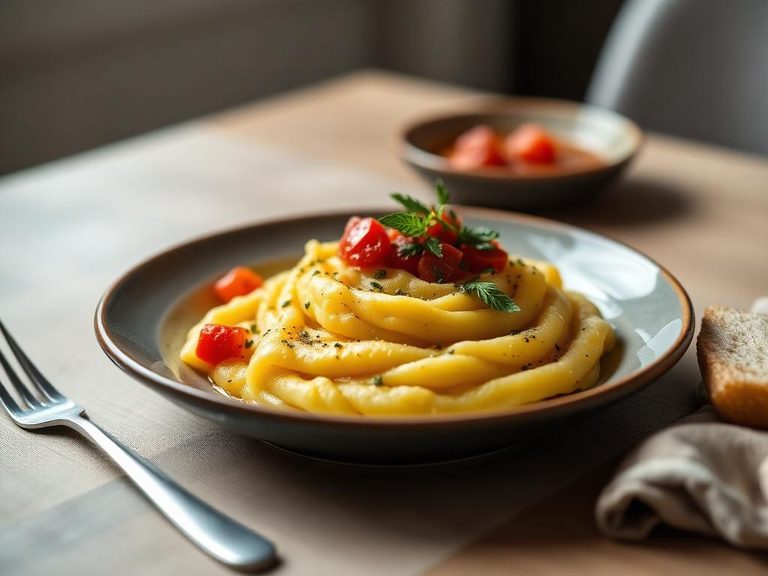
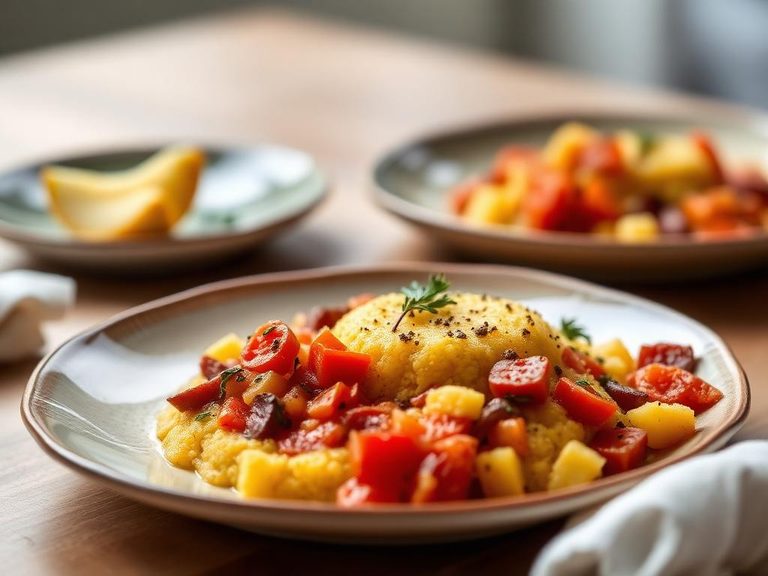
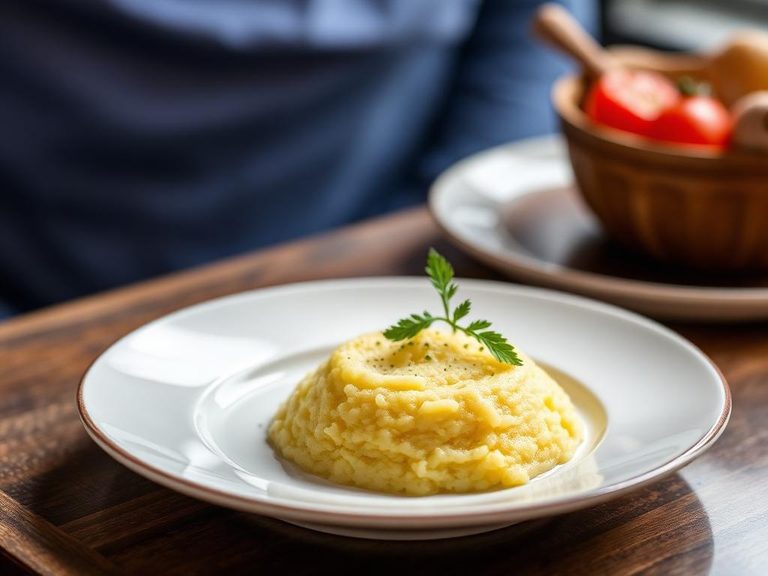
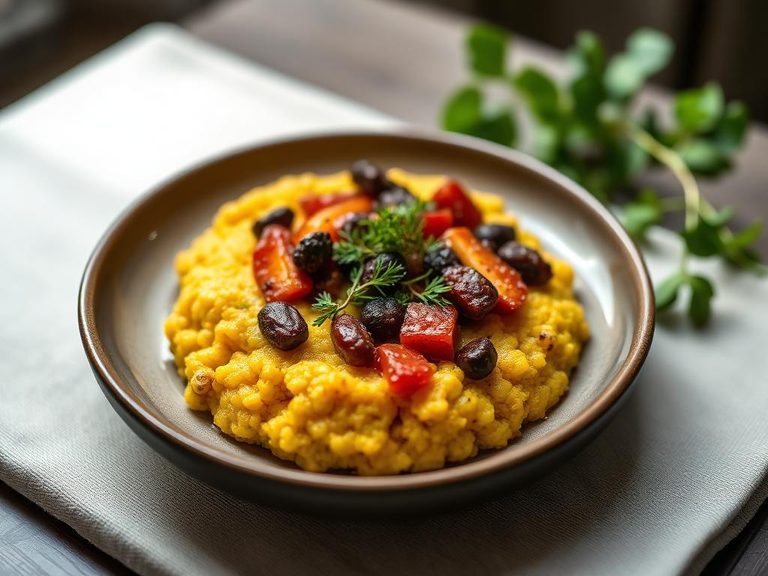
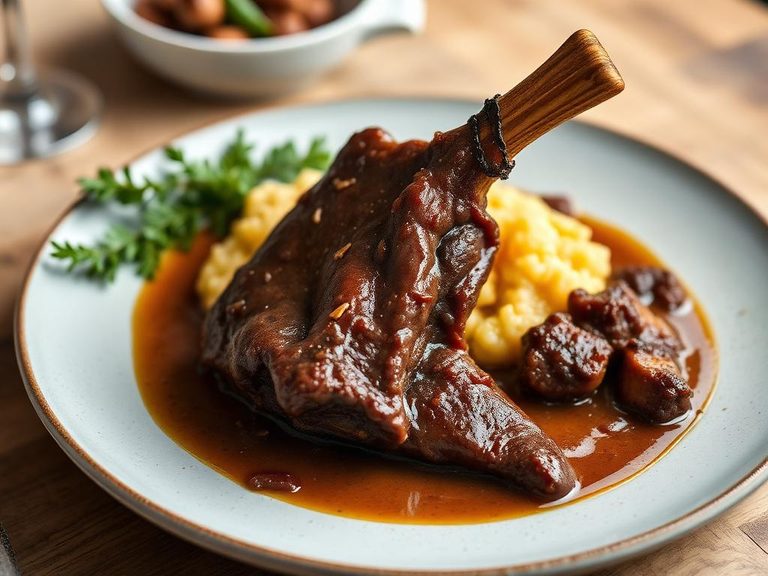
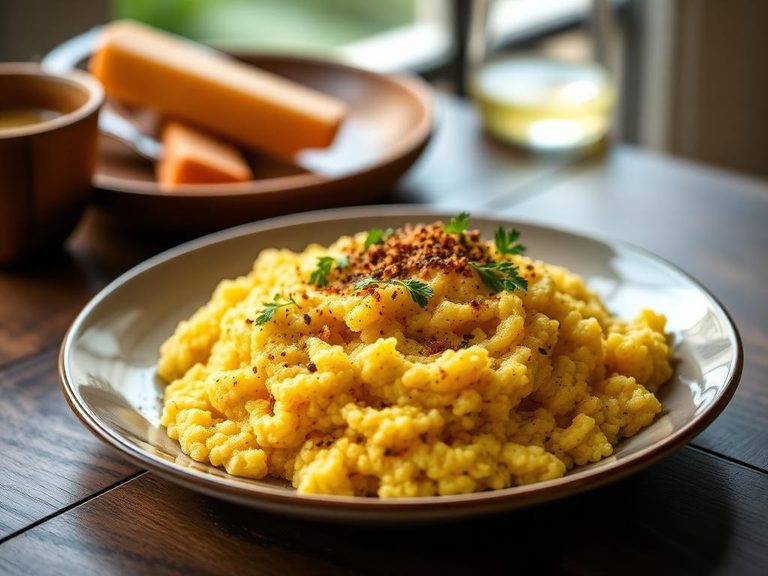
Italian polenta is a comforting, creamy dish made from cornmeal (typically yellow or white) cooked slowly with water or broth until it thickens into a porridge-like consistency. Originating in Northern Italy, it's a versatile staple that can be served soft and creamy, or allowed to set and then grilled, fried, or baked.
🍽️ Nutrition at a glance
Polenta is primarily a high-carbohydrate food, providing a good source of energy. It offers key nutrients like iron, magnesium, and B vitamins, with a typical serving containing around 150-200 calories.
Nutrition breakdown
| Calories | 175 kcal |
| Protein | 3.5 g |
| Carbs | 37 g |
| Fat | 1 g |
| Fiber | 2 g |
| Sugar | 1 g |
| Sodium | 10 mg |
| Iron | 1.5 mg |
| Magnesium | 45 mg |
| Phosphorus | 90 mg |
| Potassium | 150 mg |
| Thiamin (B1) | 0.3 mg |
| Folate | 40 mcg |
| Selenium | 5 mcg |
| Zinc | 0.8 mg |
Per 1 cup cooked (240 g) · estimated, varies by recipe
💡 What's interesting
Historically, polenta was a peasant food made from various grains before corn became dominant, and its name likely derives from the Latin word for hulled or shelled grain. Nutritionally, it's naturally gluten-free, making it a valuable staple for those with celiac disease or gluten sensitivity.
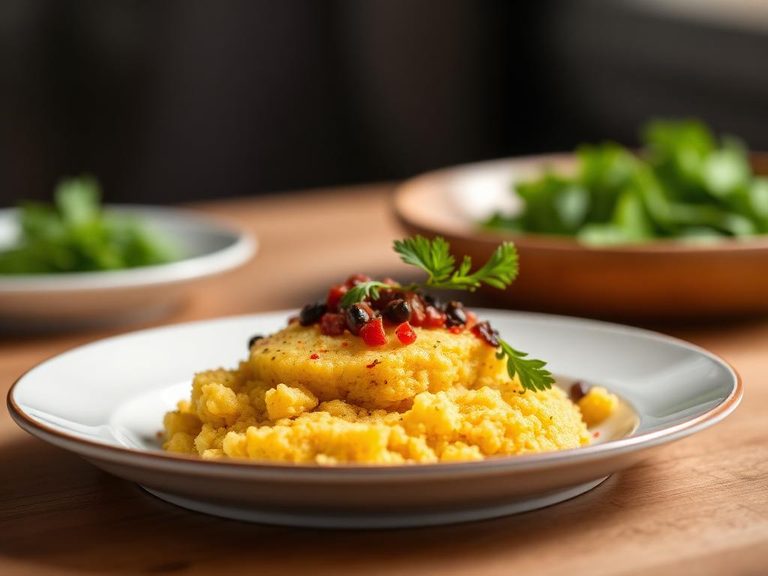
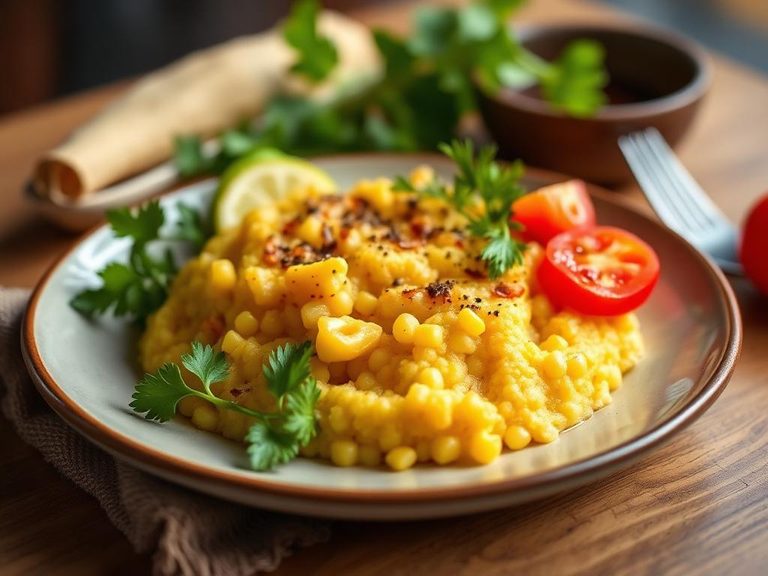
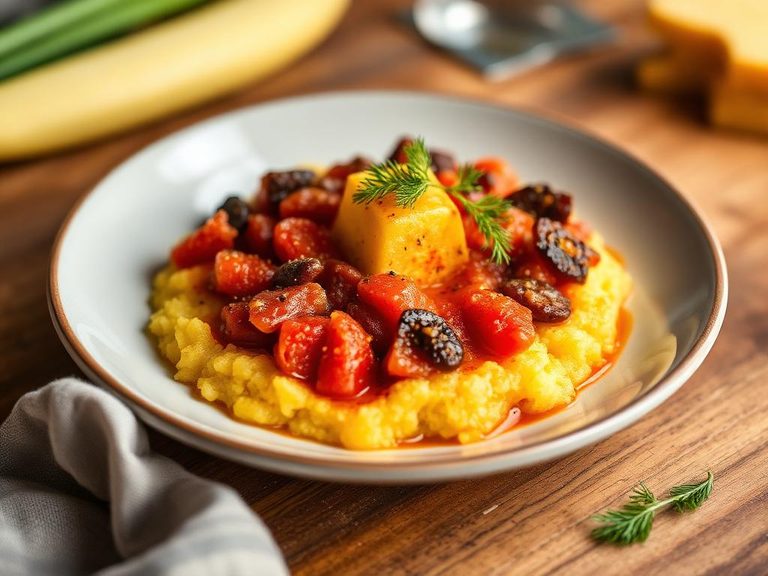
🍽️ Related dishes
AI estimate may be inaccurate · Terms