Ingredient in fruit leather
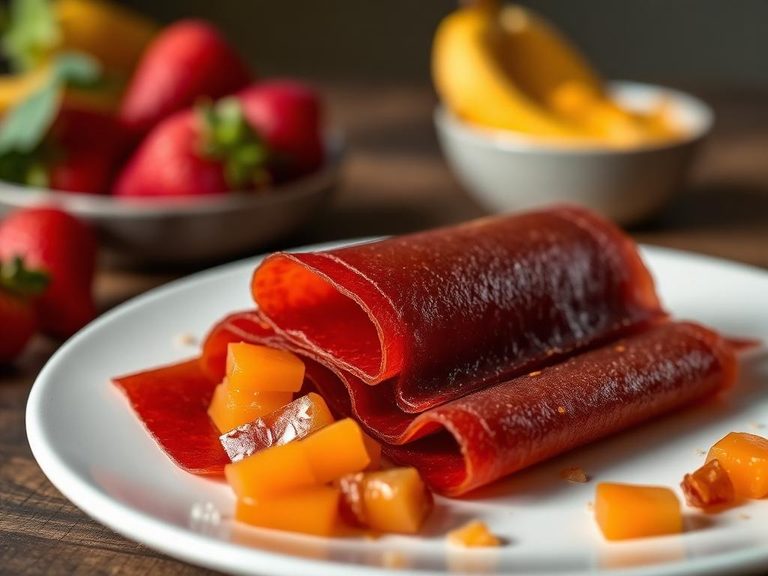
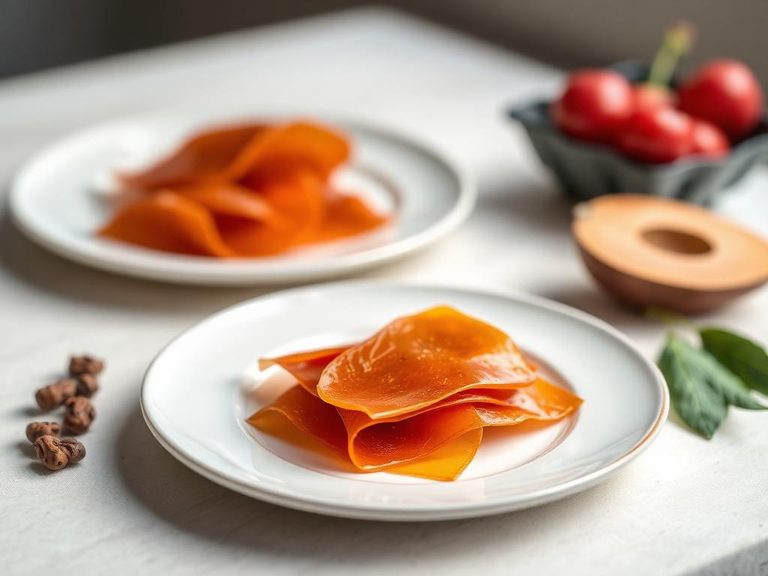
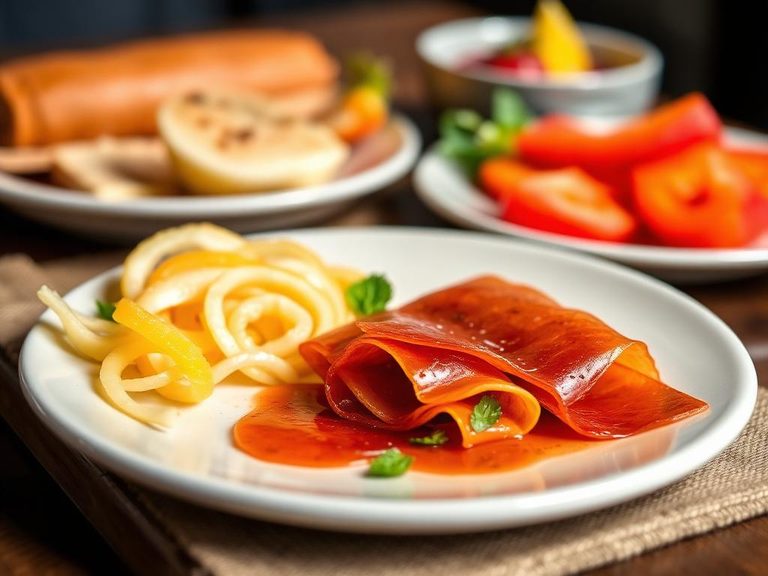
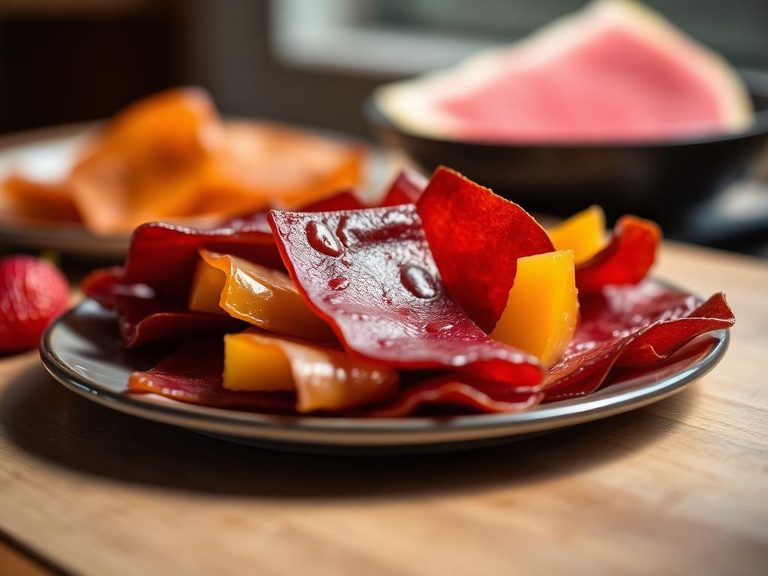
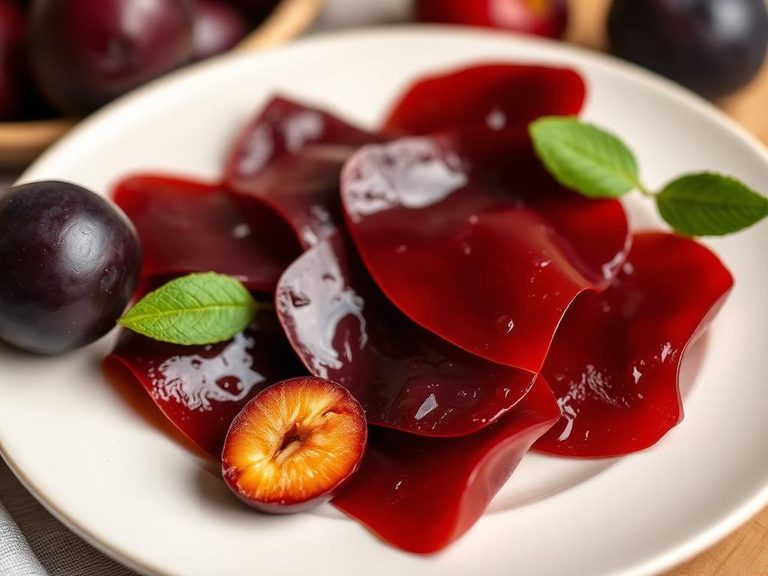
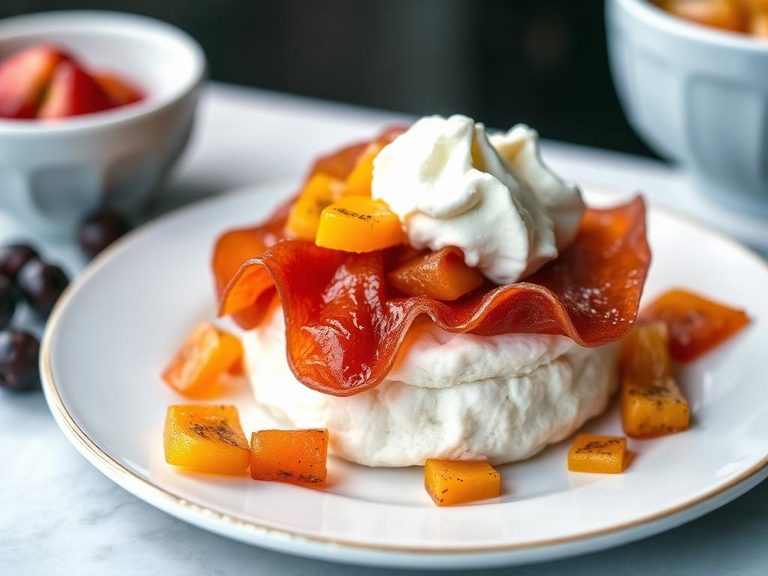
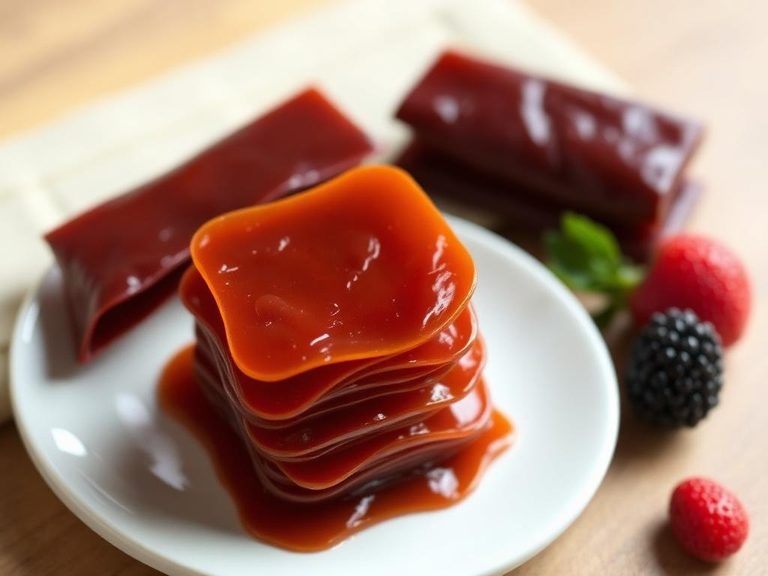
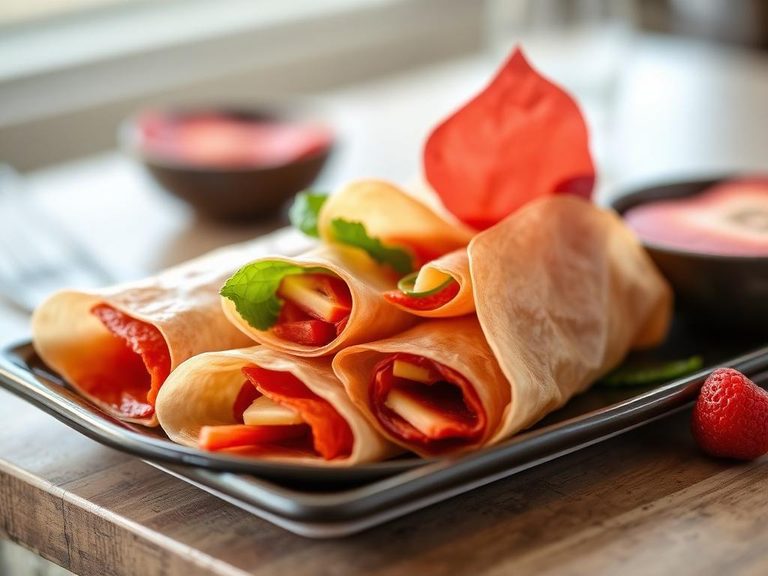
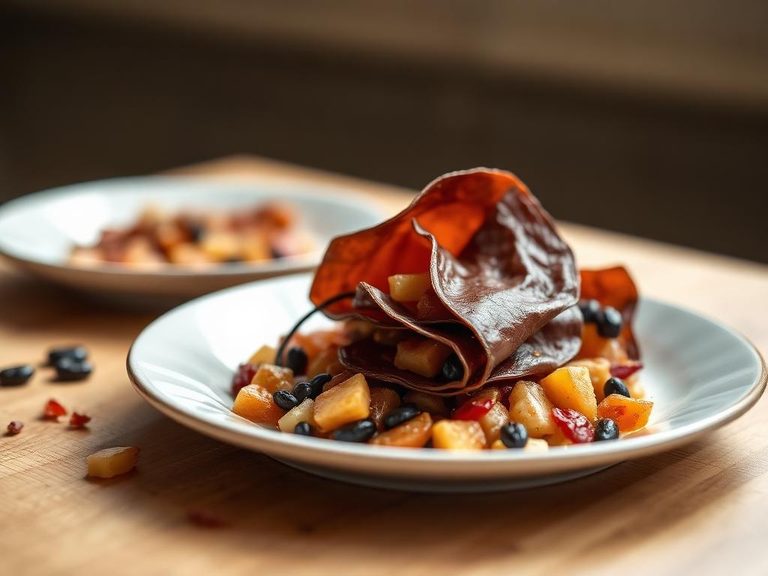
Fruit leather is a chewy, dried fruit snack made by pureeing fruit, spreading it thinly, and dehydrating it into a flexible sheet. It's essentially concentrated fruit, often made from apples, berries, peaches, or mangoes, and is a popular portable treat worldwide.
🍽️ Nutrition at a glance
Fruit leather is primarily a source of carbohydrates, specifically natural sugars and some fiber, with negligible fat and protein. A typical serving provides a quick energy boost and notable amounts of vitamins like vitamin C and potassium, with a calorie range of about 80-120 kcal per 30g piece.
Nutrition breakdown
| Calories | 100 kcal |
| Protein | 0.5 g |
| Carbs | 24 g |
| Fat | 0 g |
| Fiber | 2 g |
| Sugar | 18 g |
| Sodium | 10 mg |
| Potassium | 150 mg |
| Vitamin C | 15 mg |
| Vitamin A | 30 mcg RAE |
| Iron | 0.5 mg |
| Magnesium | 10 mg |
| Manganese | 0.1 mg |
Per 1 piece (30 g) · estimated, varies by recipe
💡 What's interesting
Historically, fruit leather (or 'pastila') was a practical way to preserve seasonal fruit harvests for long journeys or winter months. Nutritionally, it concentrates the fruit's nutrients and fiber, but can also concentrate sugars, making it a more energy-dense option than fresh fruit.