Honey-Glazed Carrots
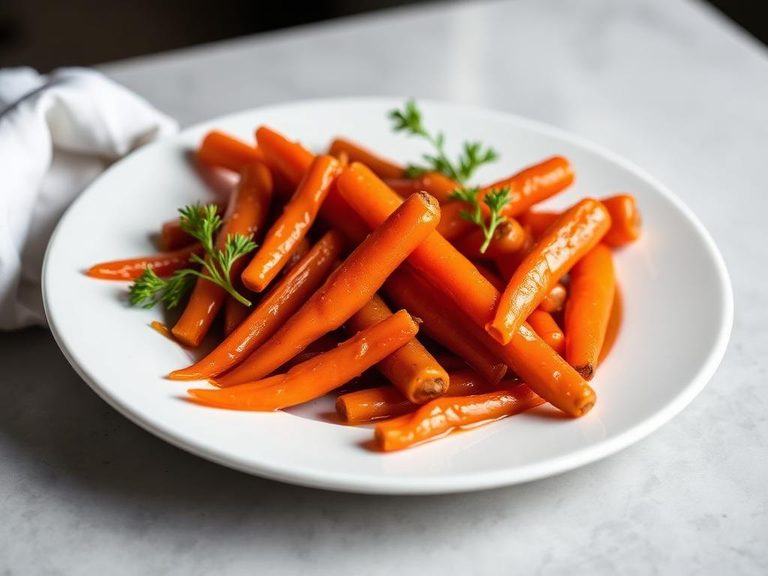
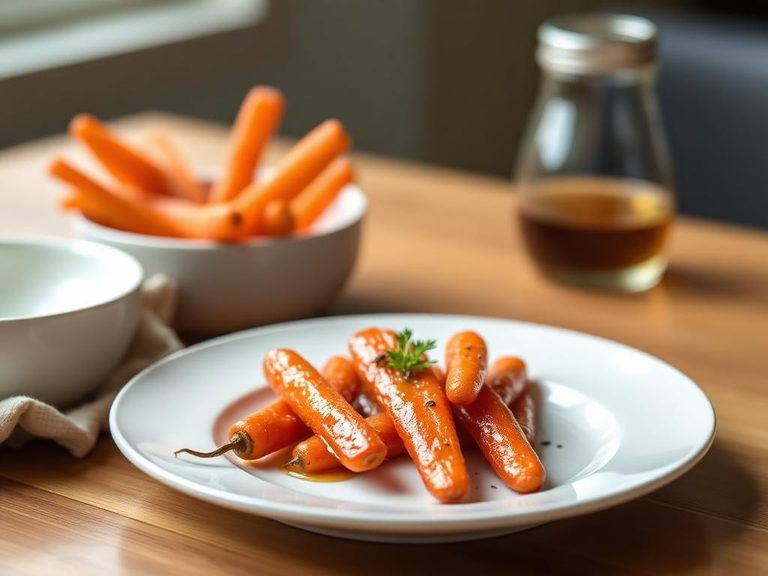
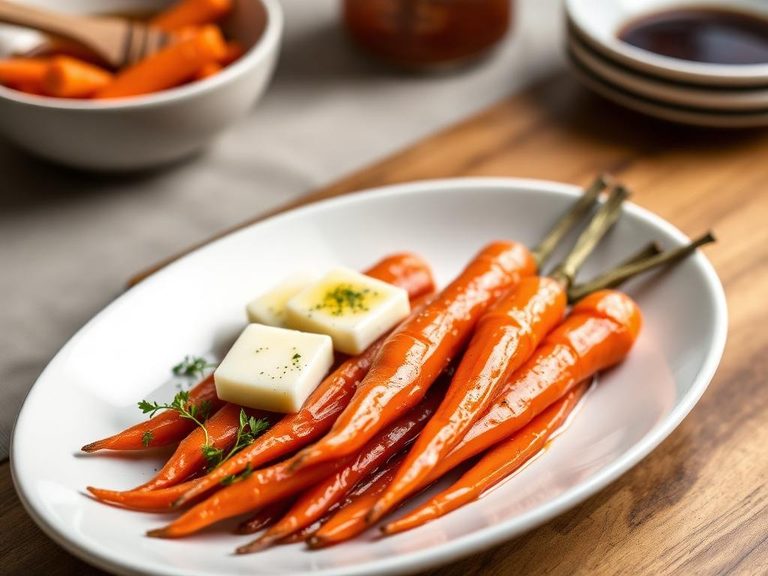
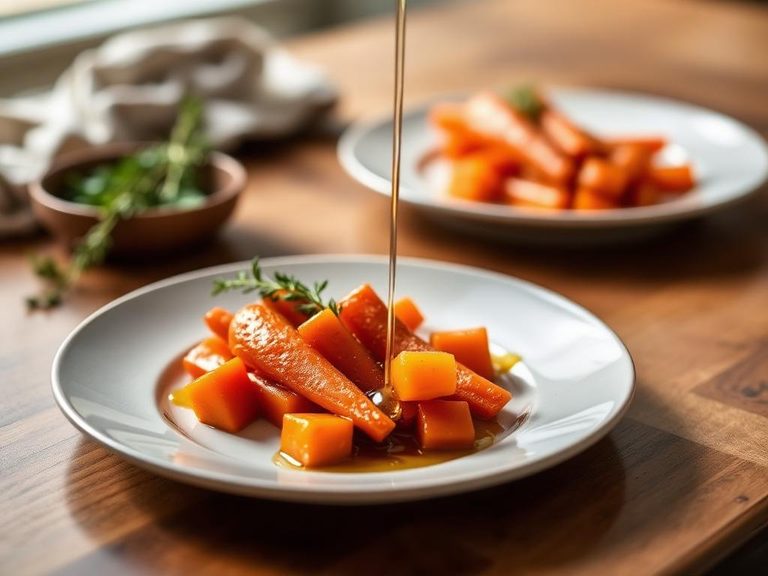
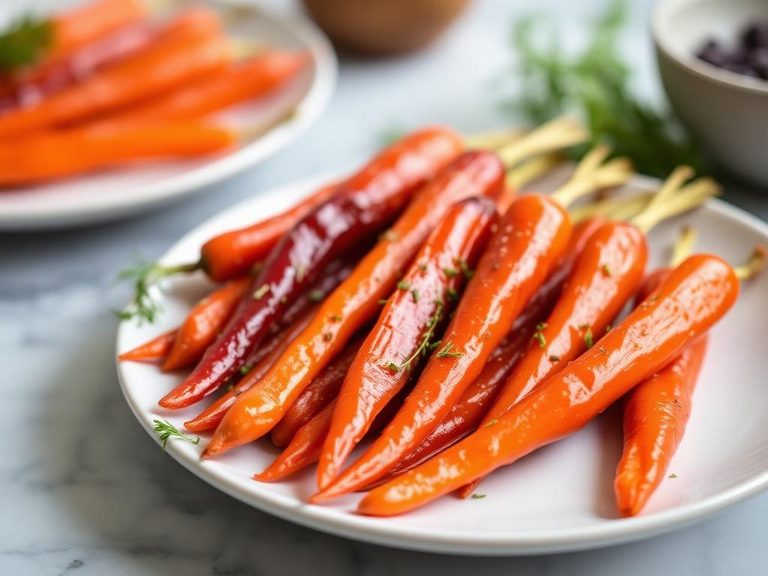
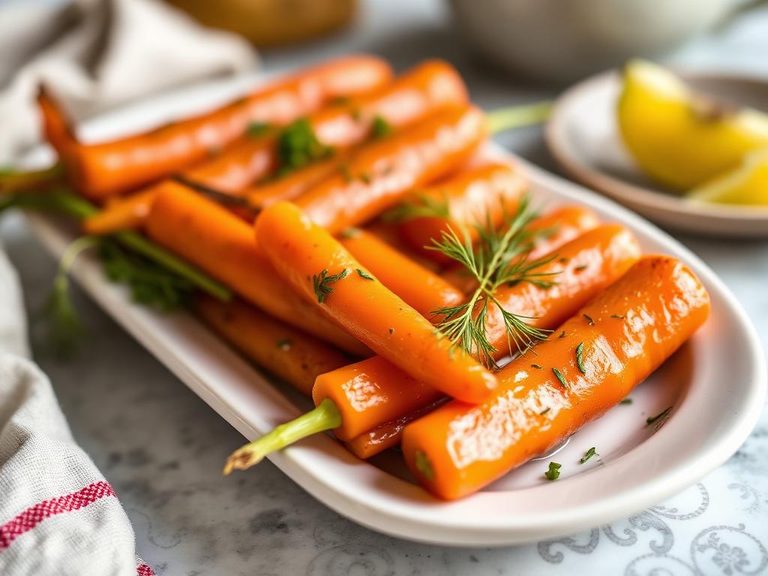
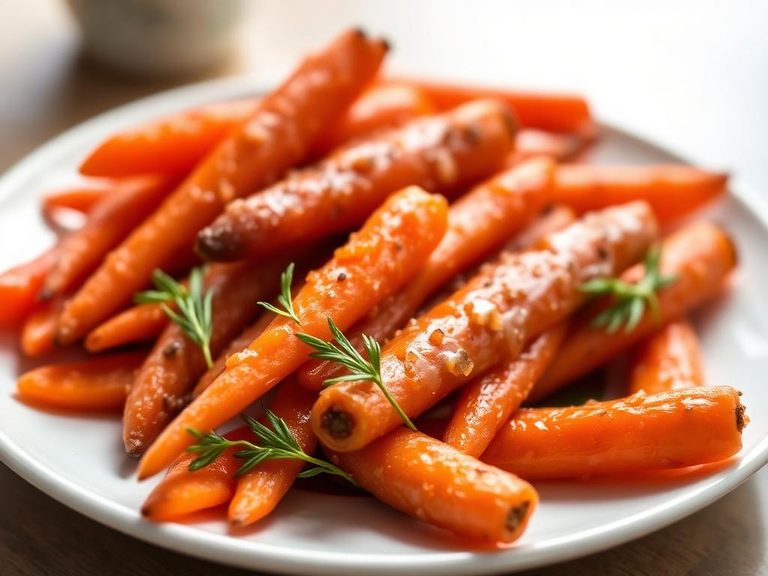
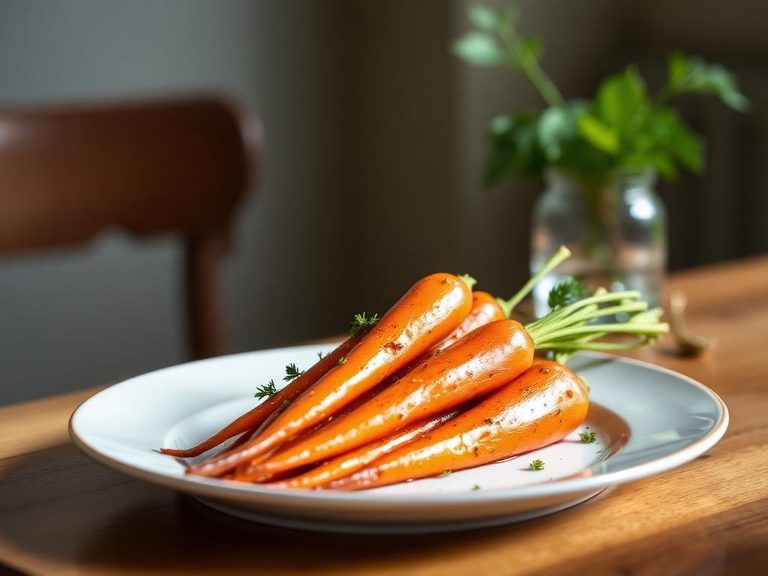
Honey-glazed carrots are a classic side dish made by cooking sliced or whole carrots until tender, then coating them in a sweet, glossy glaze made from honey, butter, and often a touch of seasoning. The dish is popular in Western cuisine, particularly in American and British cooking, often served alongside roasted meats or as part of a holiday meal.
🍽️ Nutrition at a glance
This dish is primarily a source of carbohydrates from both the natural sugars in carrots and the added honey, with a moderate amount of fat from the butter used in the glaze. It provides a good amount of vitamin A (from beta-carotene in carrots), along with some fiber and potassium, and a typical serving might range from 150 to 200 calories.
Nutrition breakdown
| Calories | 110 kcal |
| Protein | 1.2 g |
| Carbs | 20 g |
| Fat | 3.5 g |
| Fiber | 3.5 g |
| Sugar | 14 g |
| Sodium | 180 mg |
| Vitamin A | 12000 IU |
| Vitamin K | 16 mcg |
| Vitamin C | 6 mg |
| Potassium | 350 mg |
| Manganese | 0.3 mg |
| Vitamin B6 | 0.15 mg |
| Biotin | 6 mcg |
| Folate | 25 mcg |
Per 1 cup (156 g) · estimated, varies by recipe
💡 What's interesting
Culturally, honey-glazed carrots represent a simple yet elegant way to elevate a humble vegetable, often symbolizing comfort and home cooking. Nutritionally, the combination of honey and carrots enhances the absorption of fat-soluble vitamins like vitamin A, making it a deliciously synergiotic dish.