

Homemade Frozen Pops
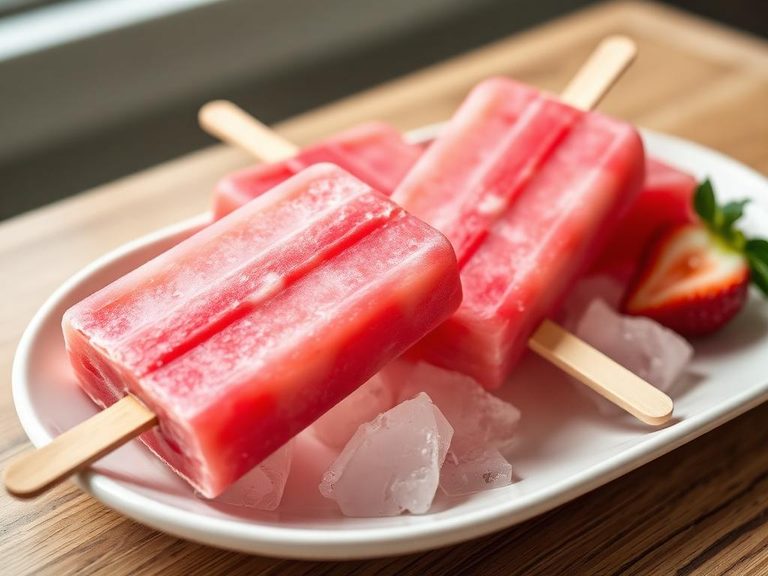
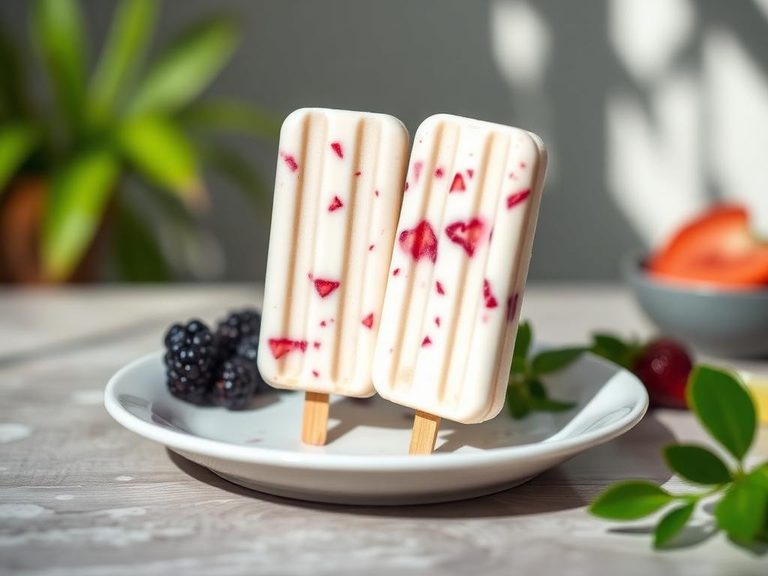
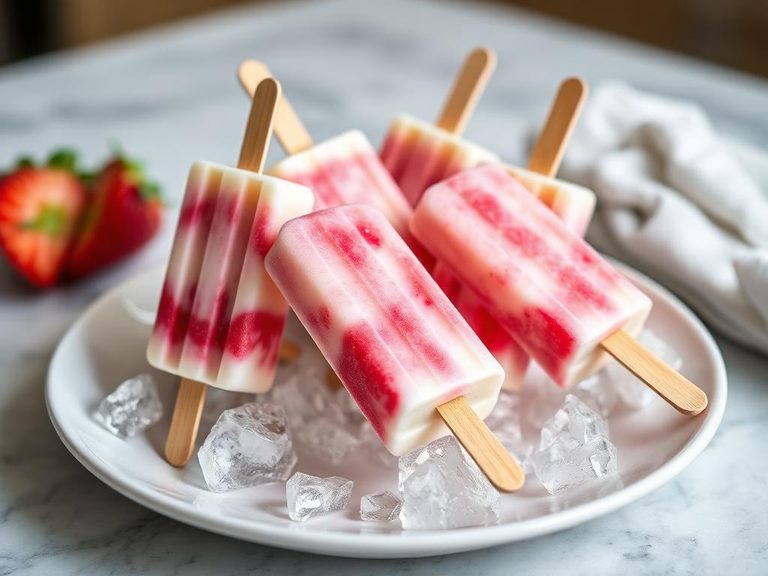
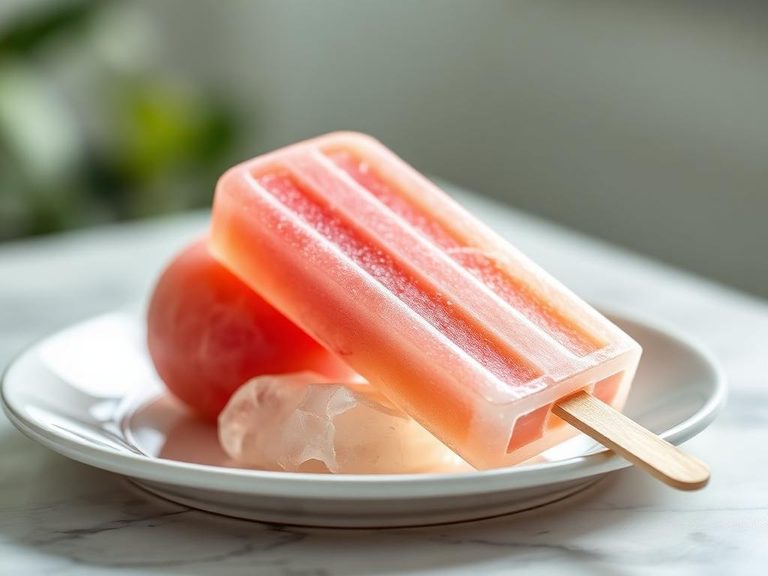
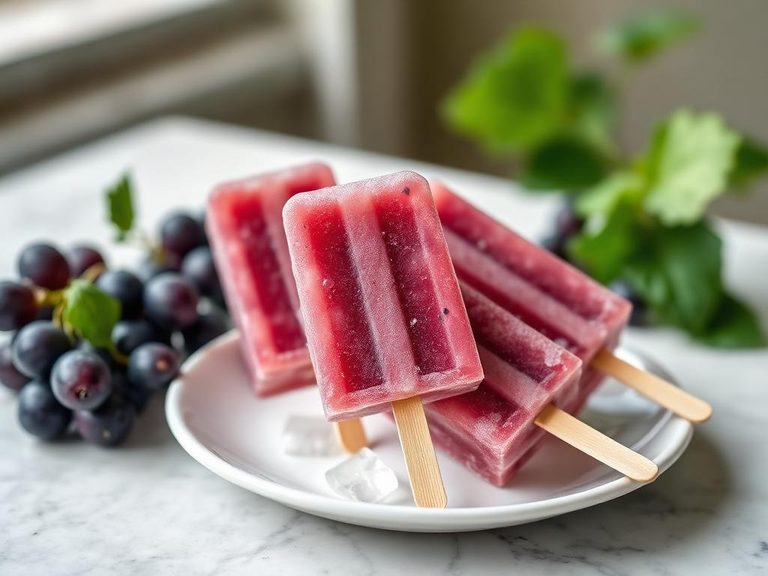
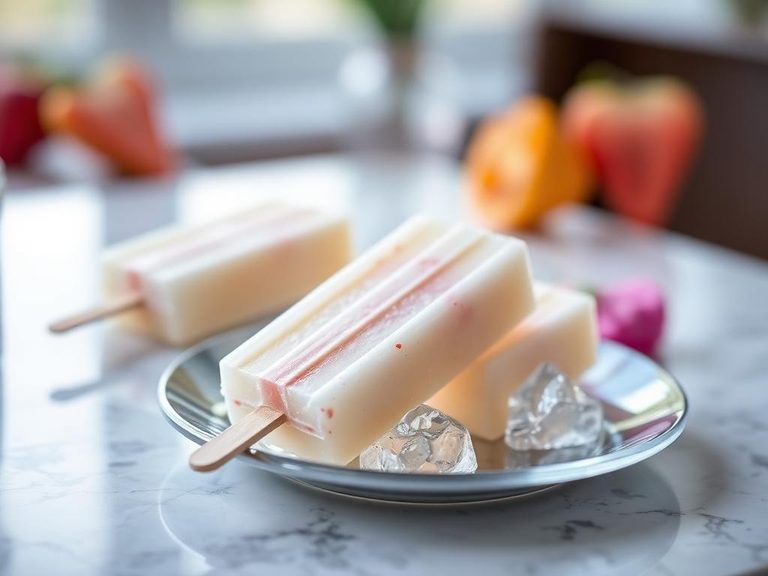
Homemade frozen pops, often called ice pops or popsicles, are a refreshing frozen treat made by freezing flavored liquids in molds. They typically consist of fruit juice, pureed fruit, yogurt, or sweetened water, sometimes with added chunks of fruit or herbs. This DIY version of the classic summer snack has roots in various cultures, from ancient ice-based desserts to modern homemade adaptations.
🍽️ Nutrition at a glance
These pops are generally high in carbohydrates from natural or added sugars, with minimal fat and protein unless dairy-based ingredients are included. They provide hydration and can offer vitamins like vitamin C if made with fruit juice, with a typical serving ranging from 50 to 150 calories depending on sweetness and ingredients.
Nutrition breakdown
| Calories | 60 kcal |
| Protein | 0.5 g |
| Carbs | 15 g |
| Fat | 0.2 g |
| Fiber | 0.5 g |
| Sugar | 13 g |
| Sodium | 10 mg |
| Vitamin C | 10 mg |
| Potassium | 150 mg |
| Calcium | 15 mg |
| Iron | 0.3 mg |
| Magnesium | 8 mg |
| Phosphorus | 12 mg |
| Vitamin A | 20 mcg |
| Folate | 10 mcg |
Per 1 popsicle (80 g) · estimated, varies by recipe
💡 What's interesting
Frozen pops are culturally versatile, appearing in forms like Mexican paletas with chili-lime flavors or Asian fruit-based versions, making them a global symbol of summer. Nutritionally, they can be a sneaky way to increase fruit intake, especially for kids, while offering a lower-calorie alternative to ice cream.
🍽️ Related dishes
AI estimate may be inaccurate · Terms