

Halloween treat
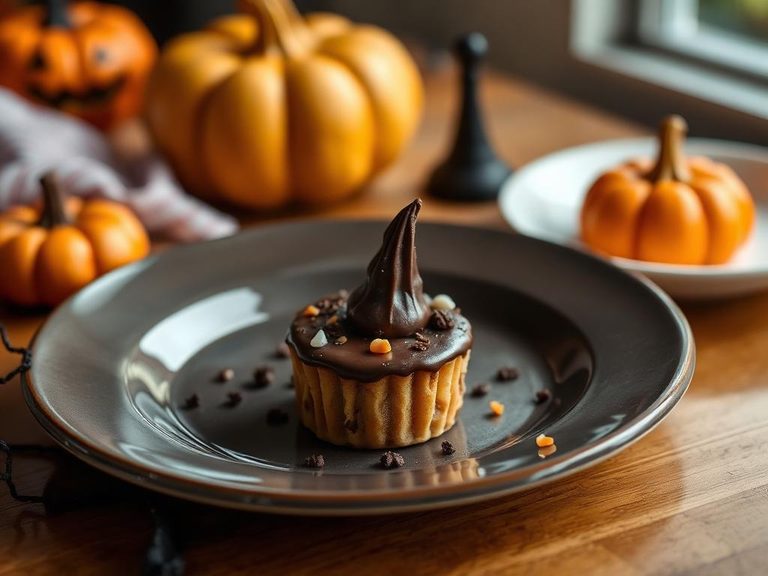
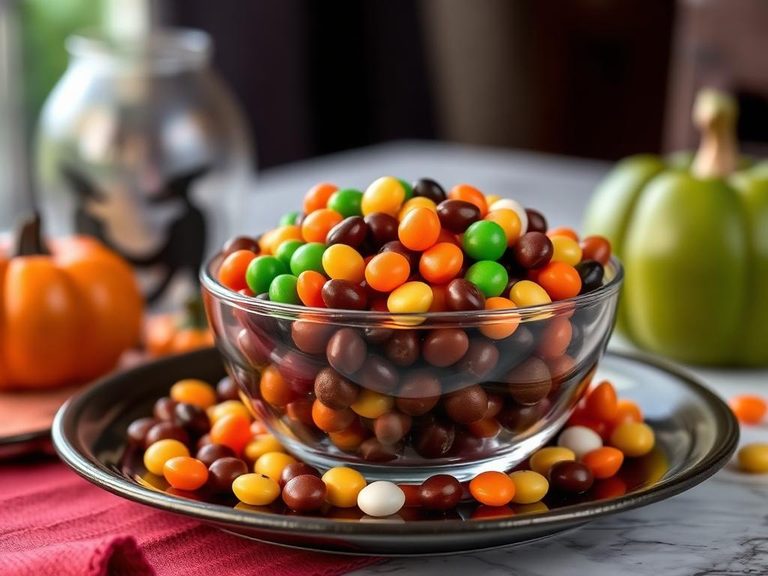
Halloween treats are a broad category of festive confections and snacks enjoyed during the Halloween season, often featuring themes of ghosts, monsters, and autumn harvests. They typically include candy, cookies, cupcakes, caramel apples, and popcorn balls, using ingredients like sugar, chocolate, caramel, and food coloring. Originating from the traditions of All Hallows' Eve, these treats are a staple of American and Western Halloween celebrations.
🍳 View the full Halloween treat recipe →
🍽️ Nutrition at a glance
Halloween treats are generally high in carbohydrates and sugar, with moderate to high fat content depending on ingredients like chocolate or butter. They provide quick energy through sugars but are often low in essential nutrients, with a typical serving ranging from 150 to 300 calories.
Nutrition breakdown
| Calories | 160 kcal |
| Protein | 2 g |
| Carbs | 22 g |
| Fat | 8 g |
| Fiber | 1 g |
| Sugar | 16 g |
| Sodium | 50 mg |
| Calcium | 20 mg |
| Iron | 1 mg |
| Potassium | 50 mg |
| Vitamin A | 50 IU |
| Vitamin C | 0 mg |
| Vitamin D | 0 IU |
| Vitamin B12 | 0.2 mcg |
| Phosphorus | 30 mg |
Per 1 piece (35 g) · estimated, varies by recipe
💡 What's interesting
Culturally, Halloween treats reflect the holiday's blend of ancient Celtic traditions and modern commercialization, often used in trick-or-treating rituals. Nutritionally, they are a fun but indulgent example of seasonal eating, where the emphasis is on creativity and celebration rather than health benefits.
🍽️ Related dishes


AI estimate may be inaccurate · Terms