

Halloween candy mix

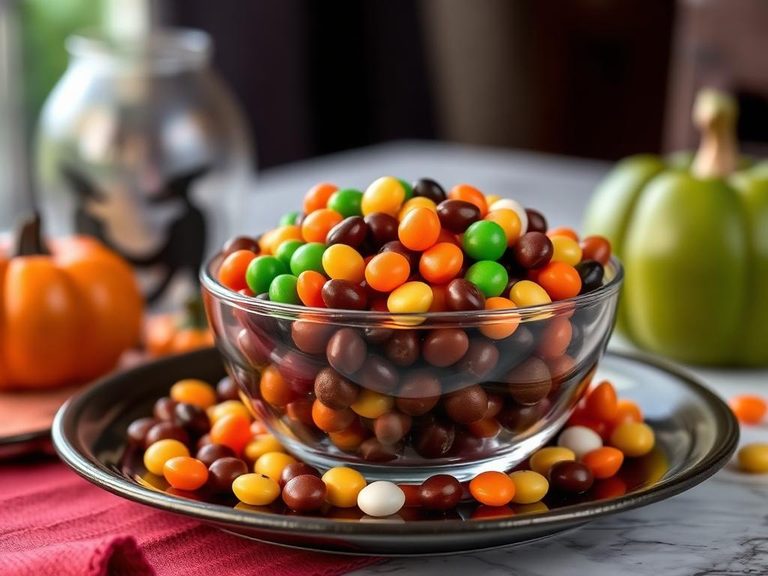
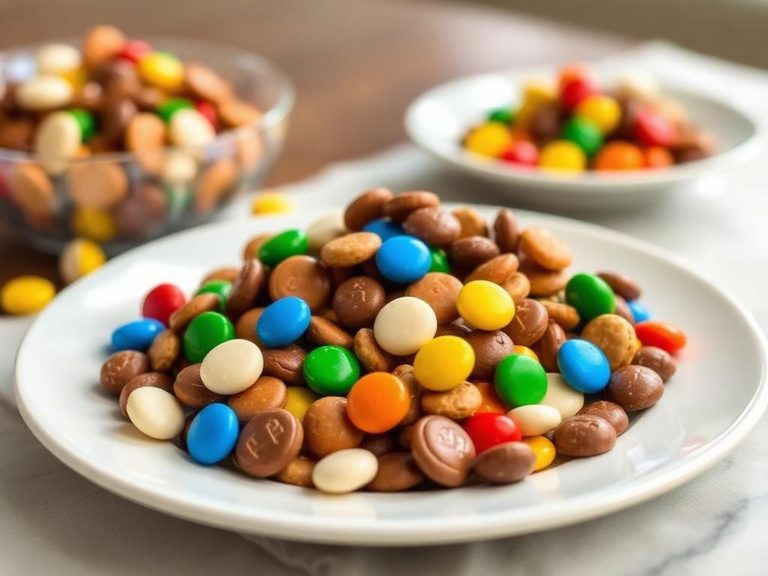
Halloween candy mix is a festive assortment of bite-sized, individually wrapped sweets traditionally distributed to trick-or-treaters during the Halloween season in North America. It typically features a variety of chocolate bars, hard candies, gummies, and caramels, with popular brands like Reese's, Snickers, and Skittles being staples. This mix is a hallmark of the holiday, symbolizing the fun and indulgence of the October 31st celebration.
🍳 View the full Halloween candy mix recipe →
🍽️ Nutrition at a glance
This mix is extremely high in carbohydrates, primarily from sugar, and contains significant amounts of fat, especially from chocolate and peanut butter varieties, with minimal protein. A typical serving (about 10-15 pieces) can range from 300 to 500 calories, offering little nutritional value beyond a quick energy boost.
Nutrition breakdown
| Calories | 580 kcal |
| Protein | 4 g |
| Carbs | 85 g |
| Fat | 26 g |
| Fiber | 1 g |
| Sugar | 65 g |
| Sodium | 180 mg |
| Calcium | 40 mg |
| Iron | 1.2 mg |
| Potassium | 120 mg |
| Magnesium | 15 mg |
| Phosphorus | 60 mg |
| Vitamin A | 10 mcg RAE |
| Vitamin C | 0 mg |
| Vitamin D | 0 mcg |
Per 1 cup (150 g) · estimated, varies by recipe
💡 What's interesting
Culturally, the mix represents the modern commercialization of Halloween, evolving from simple homemade treats to a multi-billion dollar industry centered on brand-name candies. Nutritionally, it serves as a stark example of 'empty calories,' providing high energy density with negligible vitamins or minerals, making it a rare, celebratory indulgence rather than a dietary staple.
🍽️ Related dishes


AI estimate may be inaccurate · Terms