

Grain-Based Latte

A Grain-Based Latte is a warm, comforting beverage made by blending roasted grain powders—such as barley, rice, or oats—with hot water or milk. Originating from East Asian home cooking and street food culture, it serves as a caffeine-free alternative to coffee, prized for its nutty, toasty flavor and smooth, slightly thick texture.
🍽️ Nutrition at a glance
This drink is primarily a source of complex carbohydrates for energy, with minimal fat and protein. It provides key minerals like magnesium and phosphorus from the whole grains, and a typical serving contains roughly 150-200 calories.
Nutrition breakdown
| Calories | 180 kcal |
| Protein | 4 g |
| Carbs | 38 g |
| Fat | 1.5 g |
| Fiber | 3 g |
| Sugar | 1 g |
| Sodium | 10 mg |
| Magnesium | 45 mg |
| Phosphorus | 120 mg |
| Manganese | 0.8 mg |
| Selenium | 5 mcg |
| Niacin (B3) | 2.5 mg |
| Thiamin (B1) | 0.2 mg |
| Iron | 1.2 mg |
| Zinc | 0.9 mg |
Per 1 cup (240 g) · estimated, varies by recipe
💡 What's interesting
Culturally, grain-based lattes are a traditional comfort drink in countries like Korea (boricha) and Japan (mugicha), often enjoyed for their soothing properties. Nutritionally, they are unique as a whole-grain beverage, offering dietary fiber and minerals that are often lacking in more refined, sugary coffee shop drinks.
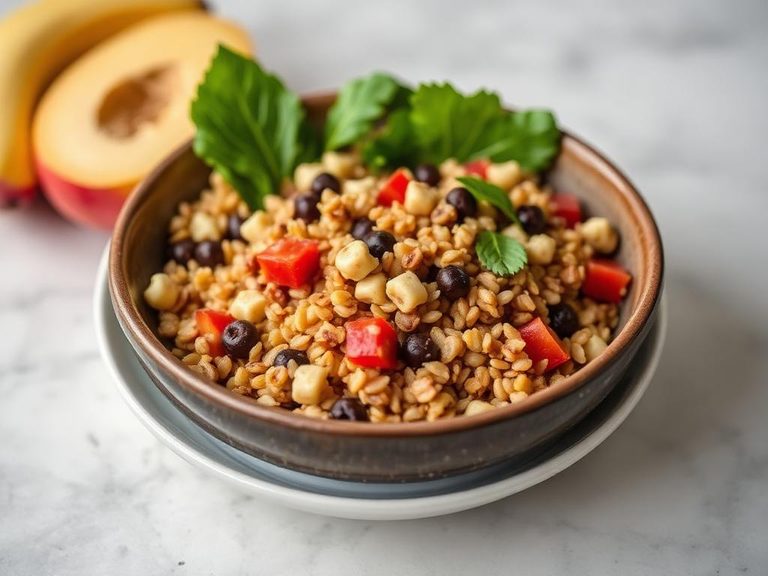
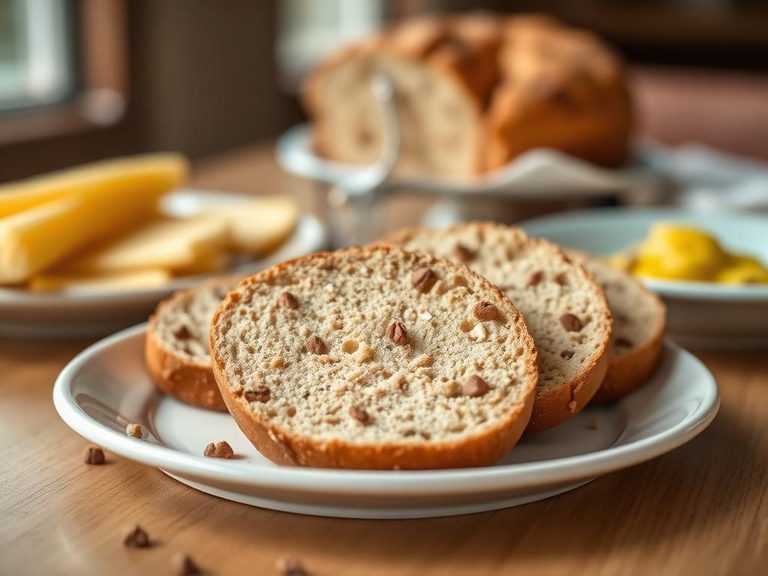
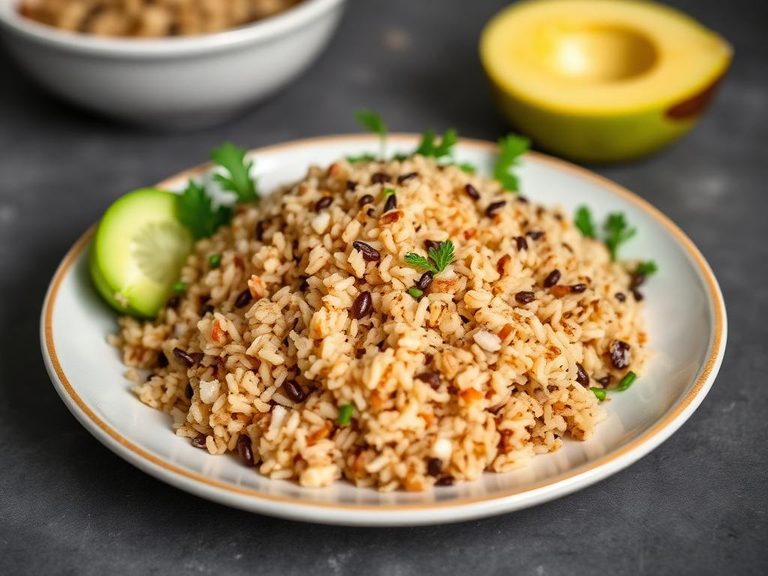
🍽️ Related dishes

AI estimate may be inaccurate · Terms