Glazed meats
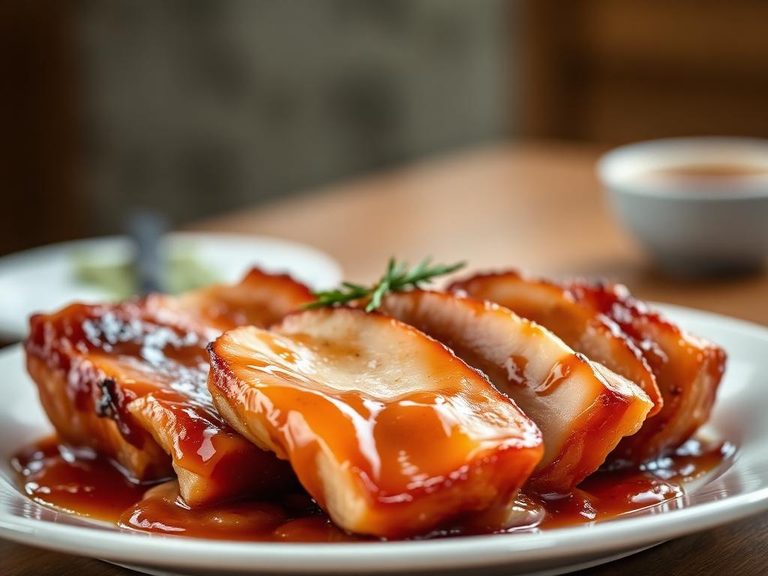
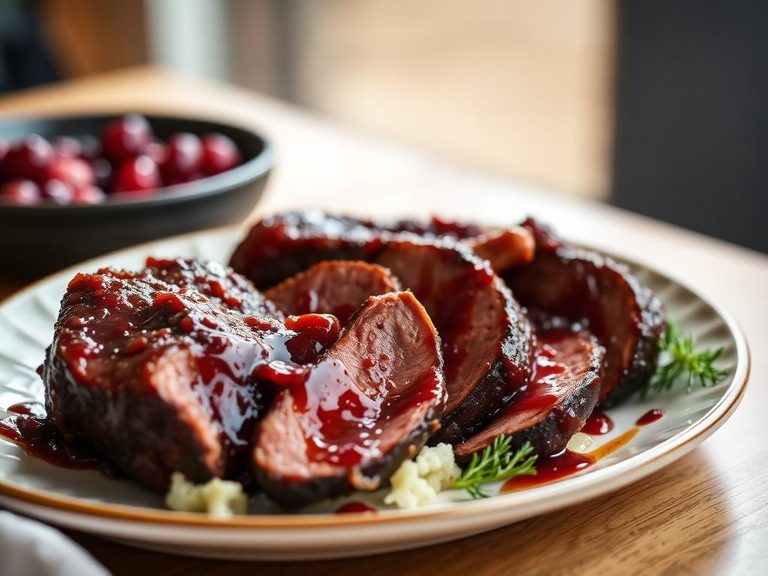
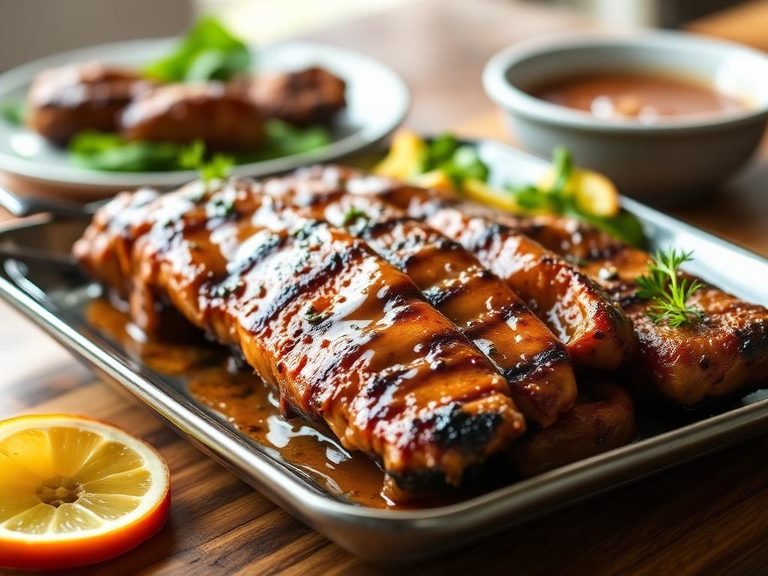
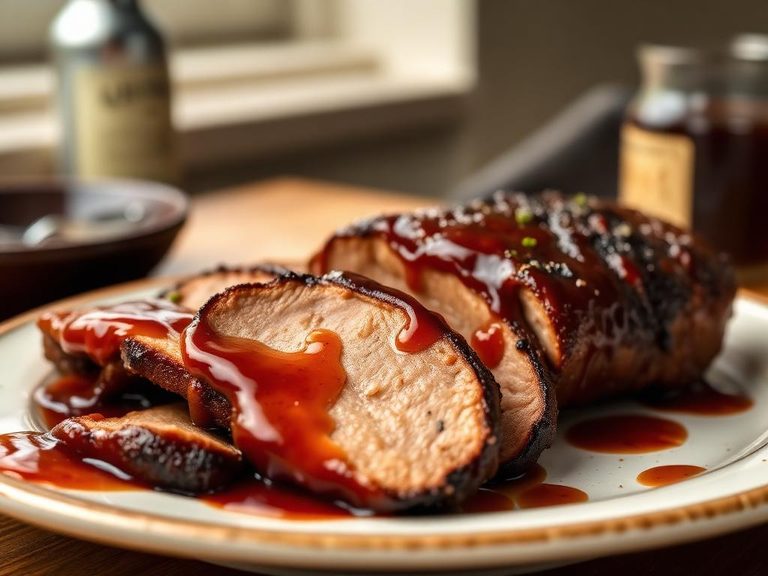
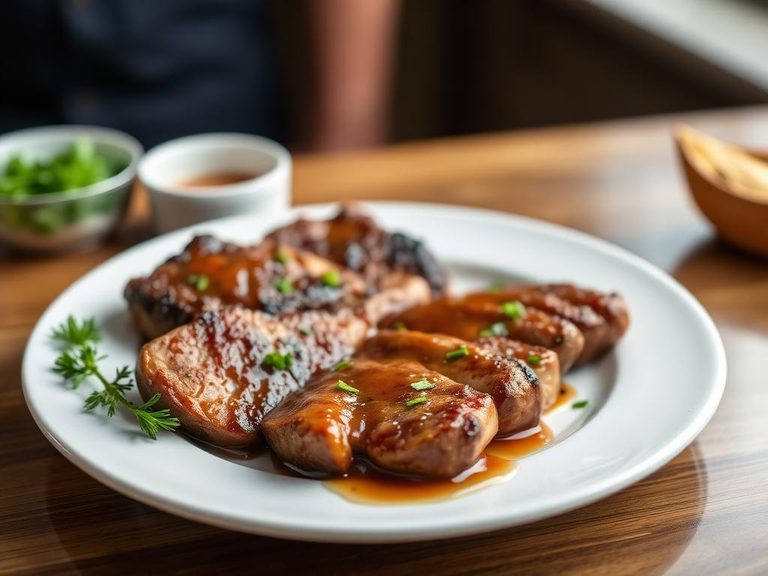
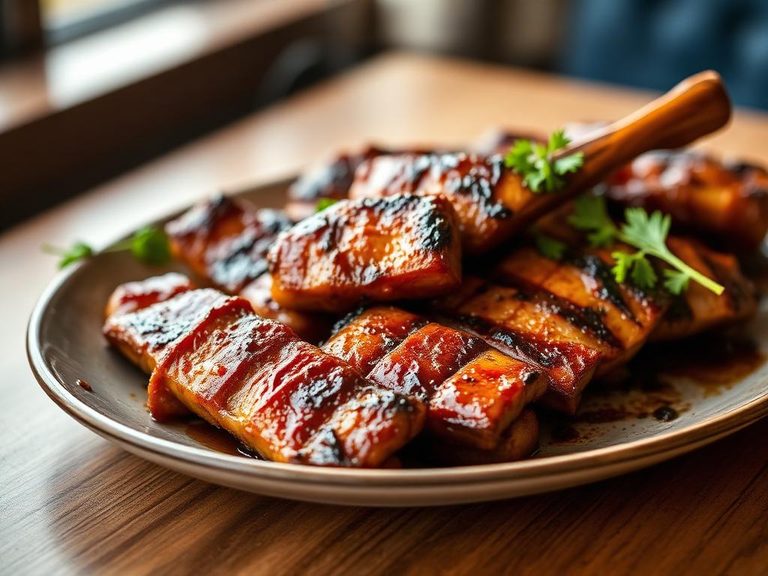
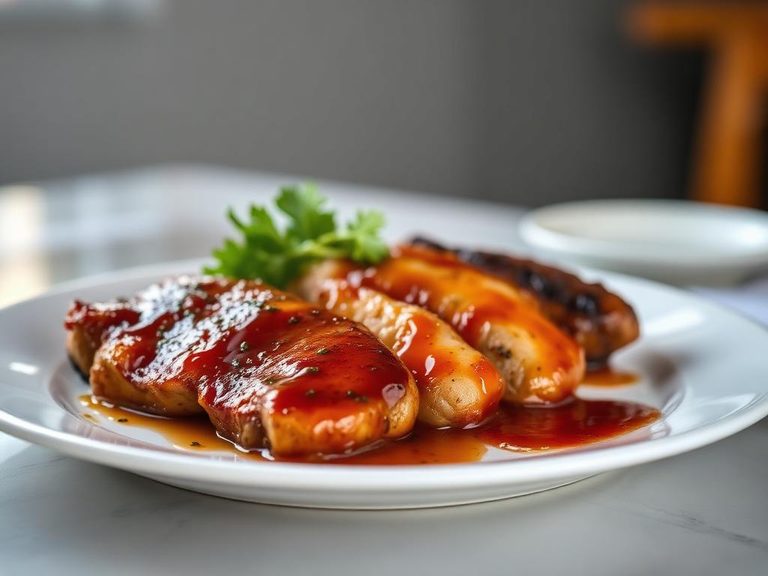
Glazed meats, particularly ham glaze, are a culinary tradition where a sweet, sticky coating is applied to cured meats like ham during the final stages of cooking. The glaze typically features a base of sugar (such as brown sugar, honey, or maple syrup) combined with spices like cloves, mustard, or citrus. This technique is a hallmark of festive meals in many Western cuisines, especially in the United States and Europe, for holidays like Christmas and Easter.
🍽️ Nutrition at a glance
A serving of glazed ham is primarily a source of protein and fat, with the glaze contributing a significant amount of added sugars (carbohydrates). It provides key nutrients like iron, zinc, and B vitamins, particularly B12, from the ham itself. A typical serving can range from 300 to 500 calories, depending on the cut of meat and the sugar content of the glaze.
Nutrition breakdown
| Calories | 180 kcal |
| Protein | 12 g |
| Carbs | 10 g |
| Fat | 11 g |
| Fiber | 0 g |
| Sugar | 9 g |
| Sodium | 580 mg |
| Potassium | 200 mg |
| Phosphorus | 150 mg |
| Zinc | 2.5 mg |
| Iron | 1.0 mg |
| Vitamin B1 (Thiamine) | 0.3 mg |
| Vitamin B3 (Niacin) | 3.5 mg |
| Vitamin B6 | 0.2 mg |
| Vitamin B12 | 0.6 mcg |
Per 1 slice (85 g) · estimated, varies by recipe
💡 What's interesting
The practice of glazing ham is a fascinating example of how preservation methods evolved into celebratory cuisine; the sugar in the glaze historically helped balance the saltiness of the cured meat. Nutritionally, it presents a classic contrast, offering high-quality protein alongside a concentrated source of simple sugars, making it a dish often enjoyed in moderation during special occasions.