Given in small, frequent feeds during recovery
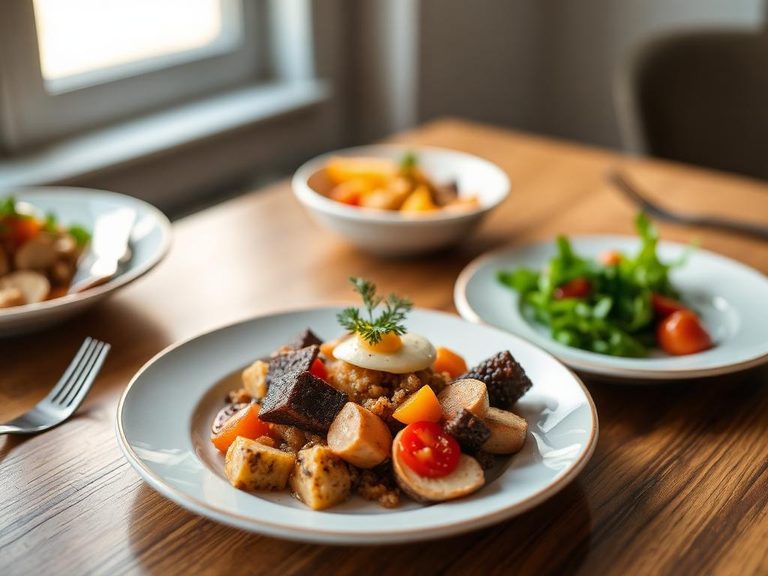
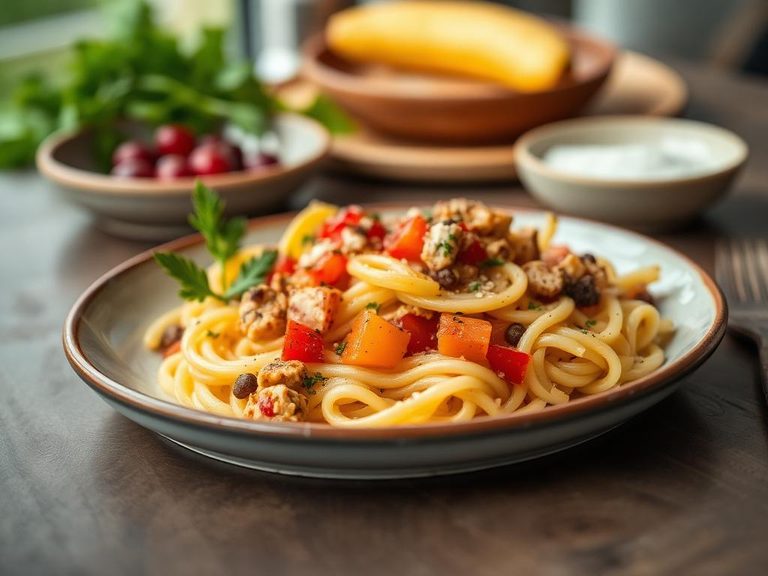
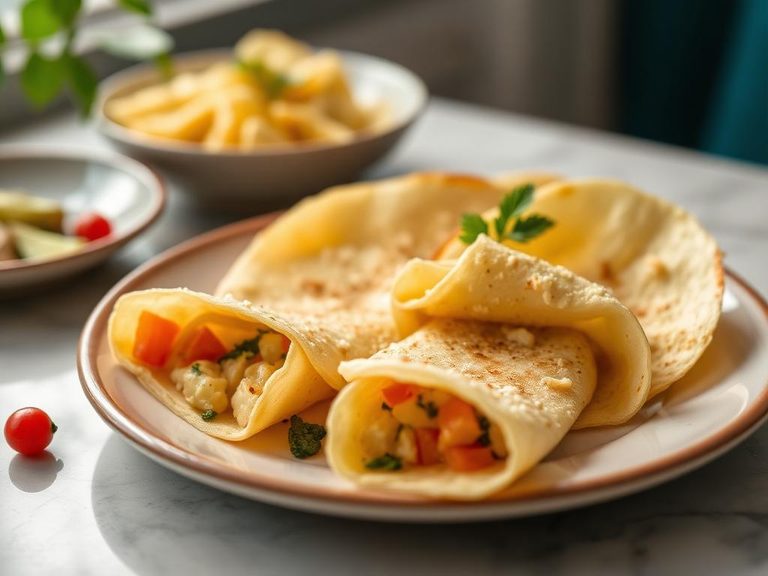
This dish refers to a category of gentle, easy-to-digest foods like congee, broth-based soups, or mashed root vegetables, often given in small, frequent portions during recovery from illness or surgery. It typically consists of simple ingredients like rice, oats, chicken, or vegetables, simmered until very soft. While not a single named dish, this style of feeding is a common practice in many cultures worldwide.
🍽️ Nutrition at a glance
These dishes are generally high in carbohydrates for quick energy, with moderate to low protein and fat, making them easy on the digestive system. They provide key electrolytes, hydration, and some vitamins, with a typical small serving ranging from 100-200 calories.
Nutrition breakdown
| Calories | 150 kcal |
| Protein | 8 g |
| Carbs | 25 g |
| Fat | 2.5 g |
| Fiber | 1 g |
| Sugar | 0.5 g |
| Sodium | 350 mg |
| Potassium | 180 mg |
| Sodium | 350 mg |
| Phosphorus | 120 mg |
| Niacin (B3) | 4 mg |
| Vitamin B6 | 0.2 mg |
| Selenium | 8 mcg |
| Zinc | 1 mg |
| Iron | 1.5 mg |
Per 1 cup (240 g) of chicken and rice congee · estimated, varies by recipe
💡 What's interesting
This feeding method aligns with the principle of 'small, frequent meals' in clinical nutrition to prevent overwhelming the body's healing systems. Nutritionally, it prioritizes bioavailability and hydration, which are critical during recovery.