

German-style whole-grain Pfannkuchen
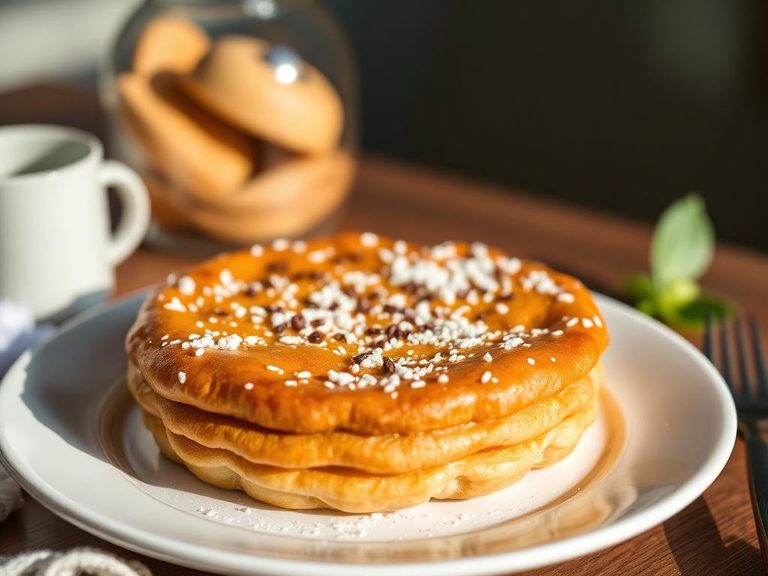
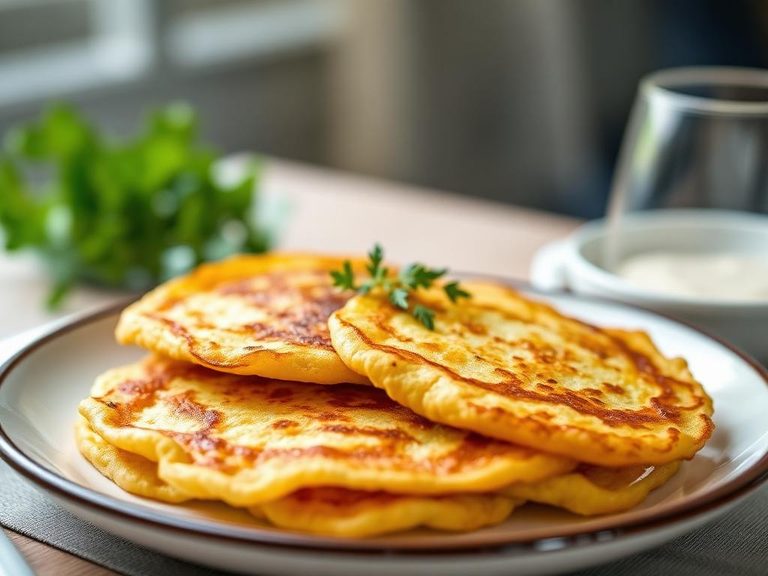
German-style whole-grain Pfannkuchen is a hearty, savory pancake or thick crepe made primarily with whole-grain flour, eggs, and milk, often enjoyed as a substantial breakfast or light meal. Unlike the sweeter, filled Berliner doughnut also called Pfannkuchen, this version is pan-fried and can be served with both sweet and savory toppings. It is a traditional staple in German home cooking, reflecting a preference for wholesome, rustic ingredients.
🍽️ Nutrition at a glance
This dish is a good source of complex carbohydrates and fiber from the whole-grain flour, with moderate protein from the eggs and milk. A typical serving provides a balanced energy boost, with a rough calorie estimate of around 250-350 kcal per serving.
Nutrition breakdown
| Calories | 320 kcal |
| Protein | 12 g |
| Carbs | 42 g |
| Fat | 12 g |
| Fiber | 5 g |
| Sugar | 4 g |
| Sodium | 380 mg |
| Iron | 3.5 mg |
| Magnesium | 80 mg |
| Phosphorus | 200 mg |
| Thiamin (B1) | 0.4 mg |
| Niacin (B3) | 3.5 mg |
| Folate | 60 µg |
| Vitamin B12 | 0.8 µg |
| Selenium | 15 µg |
Per 1 medium Pfannkuchen (approx. 180 g) · estimated, varies by recipe
💡 What's interesting
Nutritionally, using whole-grain flour significantly increases the fiber and micronutrient content compared to pancakes made with refined flour. Culturally, it showcases the German culinary tradition of creating simple, nourishing dishes that are versatile enough to be adapted for any meal of the day.
🍽️ Related dishes
AI estimate may be inaccurate · Terms