

Frozen fruit smoothie
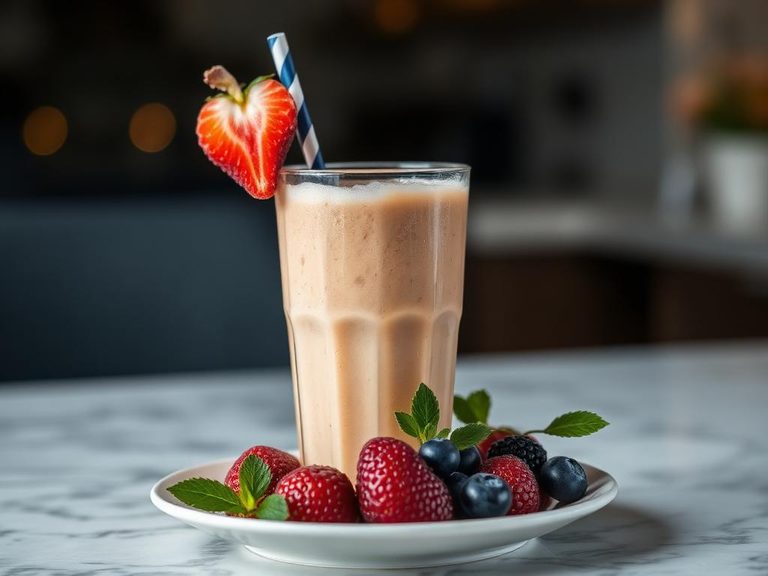
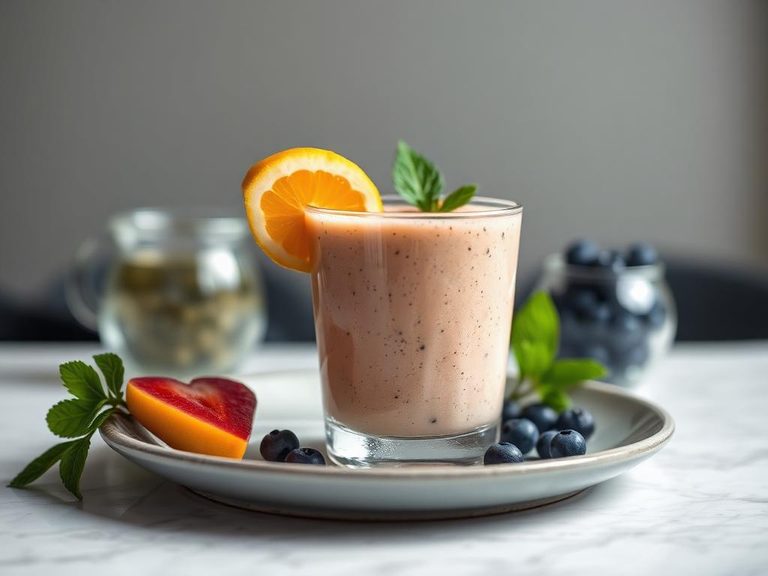
A frozen fruit smoothie is a thick, chilled beverage made by blending frozen fruits with a liquid base like water, milk, or juice. It typically features a mix of berries, bananas, or tropical fruits and is often enhanced with yogurt or protein powder for creaminess. This popular drink is a staple in health-conscious diets worldwide, often served as a quick breakfast or refreshing snack.
🍽️ Nutrition at a glance
Frozen fruit smoothies are generally high in carbohydrates, primarily from natural sugars and fiber found in the fruit. They provide essential vitamins like Vitamin C and potassium, with a typical serving ranging from 150 to 300 calories depending on the specific ingredients and portion size.
Nutrition breakdown
| Calories | 180 kcal |
| Protein | 3 g |
| Carbs | 40 g |
| Fat | 1 g |
| Fiber | 5 g |
| Sugar | 28 g |
| Sodium | 15 mg |
| Vitamin C | 30 mg |
| Potassium | 350 mg |
| Vitamin A | 150 IU |
| Magnesium | 25 mg |
| Vitamin K | 10 mcg |
| Folate | 30 mcg |
| Manganese | 0.5 mg |
| Calcium | 20 mg |
Per 1 cup (240 g) · estimated, varies by recipe
💡 What's interesting
Frozen fruit smoothies gained massive popularity in the 1990s and 2000s as part of the global health and fitness movement, often marketed as a 'superfood' meal replacement. Nutritionally, using frozen fruit instead of fresh can actually preserve more nutrients, as the fruit is typically flash-frozen at peak ripeness, locking in vitamins and antioxidants.
🍽️ Related dishes
AI estimate may be inaccurate · Terms