

Fresh pasta
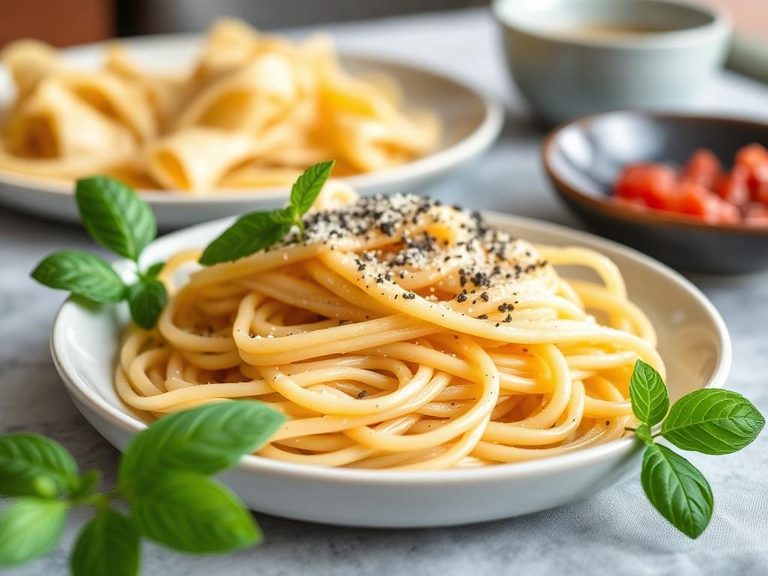
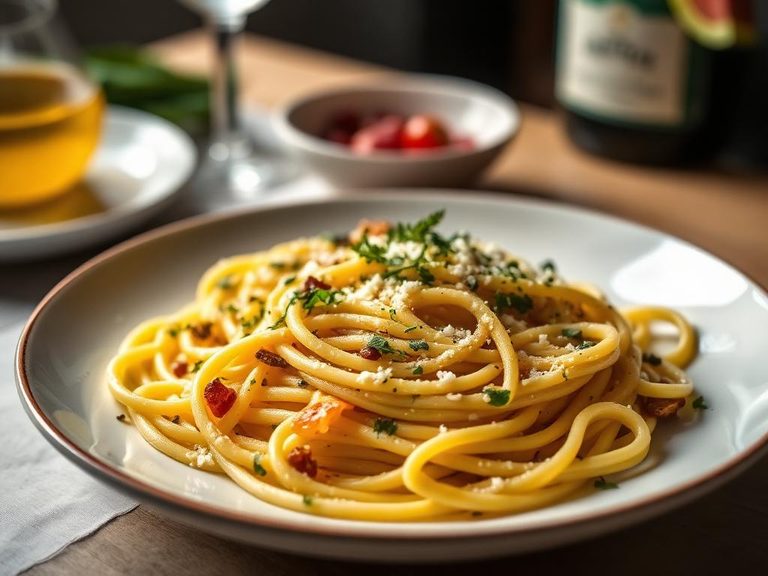
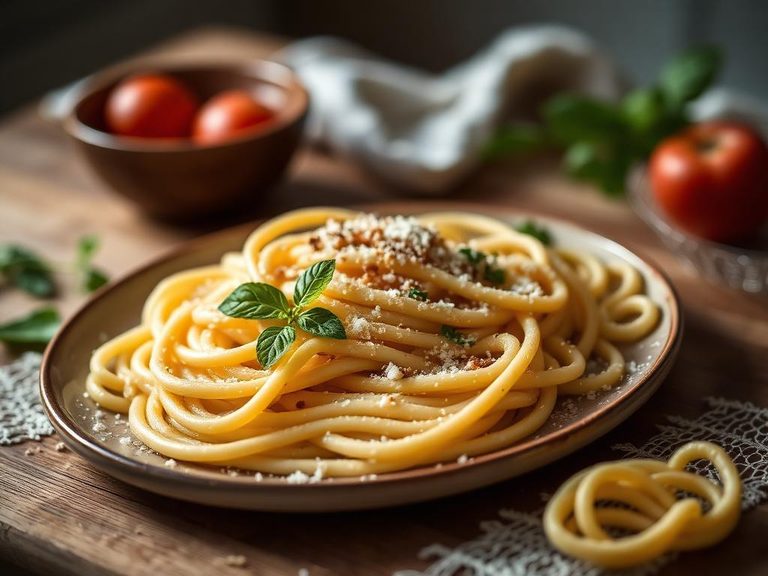
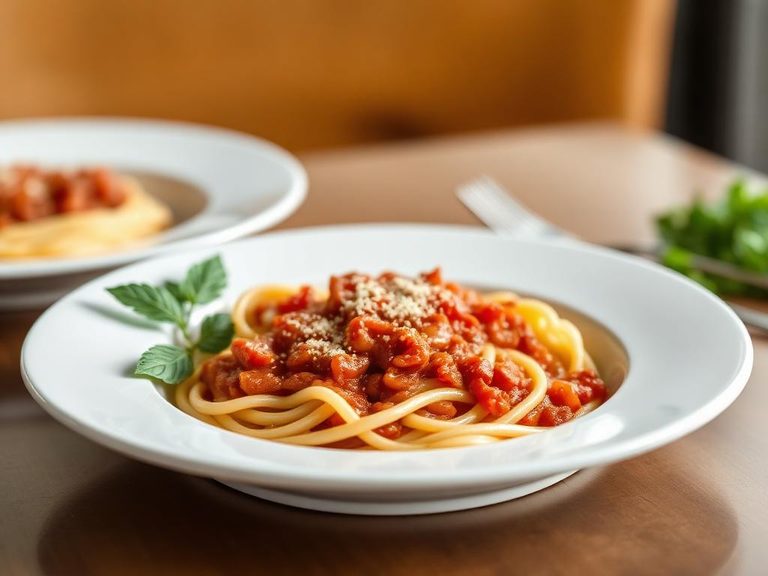
Fresh pasta is a type of pasta made from a simple dough of flour and eggs (or sometimes just flour and water), rolled out and cut into various shapes like tagliatelle or fettuccine. It is a staple of Italian cuisine, particularly in regions like Emilia-Romagna, and is known for its tender, delicate texture compared to dried pasta.
🍳 View the full Fresh pasta recipe →
🍽️ Nutrition at a glance
Fresh pasta is primarily a source of carbohydrates, providing energy, and also contains some protein from the eggs and flour. A typical serving (about 1 cup cooked) offers around 200-300 calories, along with small amounts of iron and B vitamins.
Nutrition breakdown
| Calories | 220 kcal |
| Protein | 8 g |
| Carbs | 43 g |
| Fat | 1.5 g |
| Fiber | 2.5 g |
| Sugar | 1.5 g |
| Sodium | 5 mg |
| Iron | 2.5 mg |
| Thiamin (B1) | 0.5 mg |
| Niacin (B3) | 4.5 mg |
| Folate | 120 mcg |
| Phosphorus | 130 mg |
| Magnesium | 25 mg |
| Selenium | 35 mcg |
| Manganese | 0.6 mg |
Per 1 cup (140 g) · estimated, varies by recipe
💡 What's interesting
Culturally, fresh pasta is often associated with homemade meals and family traditions in Italy, where it's frequently served with simple sauces to highlight its quality. Nutritionally, its fresh, egg-based composition can make it richer and more tender than dried pasta, but it also means it's best enjoyed fresh due to its shorter shelf life.
🍽️ Related dishes
AI estimate may be inaccurate · Terms