Flavoring for Cake Batter
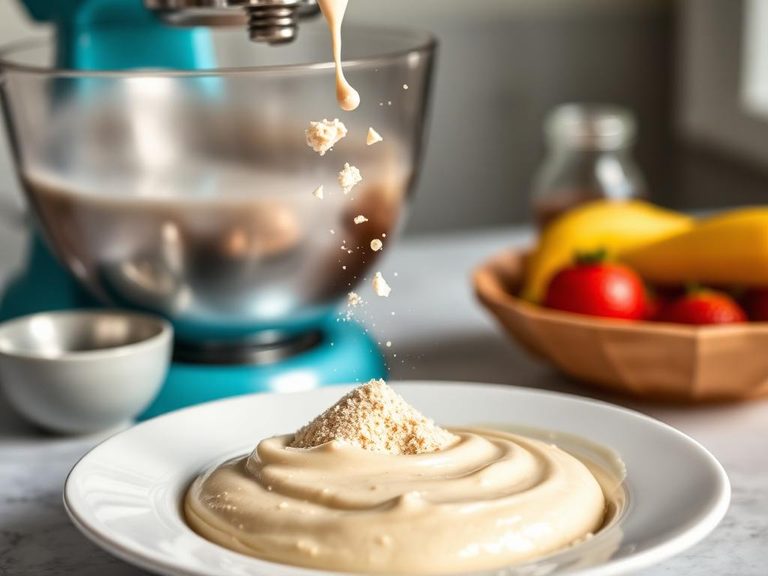
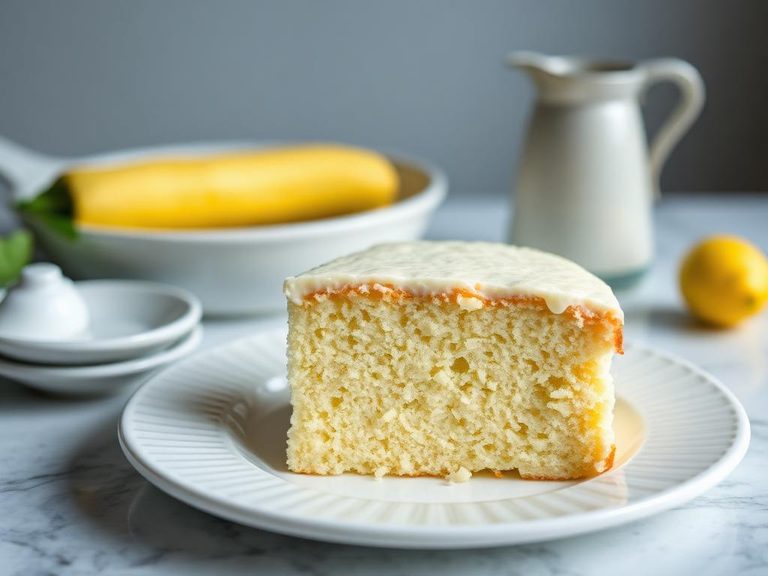
Flavoring for cake batter is a concentrated blend of ingredients used to infuse cakes with distinct tastes and aromas. Common additions include vanilla extract, cocoa powder, citrus zest, spices like cinnamon, or fruit purees, which are mixed directly into the batter before baking. This practice is universal in baking traditions worldwide, from American vanilla cakes to European spice cakes.
🍽️ Nutrition at a glance
As a flavoring component, it typically adds minimal calories, fat, or protein to the cake, with most nutritional value coming from the base batter ingredients like flour, sugar, and eggs. Key contributions are often trace amounts of antioxidants from spices or small amounts of vitamins from fruit-based flavorings, but the overall impact on a serving's calorie count (usually 200-400 calories per slice) is negligible.
Nutrition breakdown
| Calories | 45 kcal |
| Protein | 0.5 g |
| Carbs | 10 g |
| Fat | 0.5 g |
| Fiber | 0 g |
| Sugar | 8 g |
| Sodium | 5 mg |
| Calcium | 10 mg |
| Iron | 0.3 mg |
| Potassium | 15 mg |
| Vitamin A | 0 mcg |
| Vitamin D | 0 mcg |
| Vitamin B12 | 0 mcg |
| Magnesium | 2 mg |
| Phosphorus | 10 mg |
Per 1 tablespoon (15 g) · estimated, varies by recipe
💡 What's interesting
Culturally, flavorings reflect regional preferences—like matcha in Japan or cardamom in Scandinavia—and can transform a simple cake into a symbol of celebration or comfort. Nutritionally, some natural flavorings, such as cocoa or citrus zest, provide subtle health benefits like flavonoids or vitamin C, though they are used in small quantities.