Light cake batter
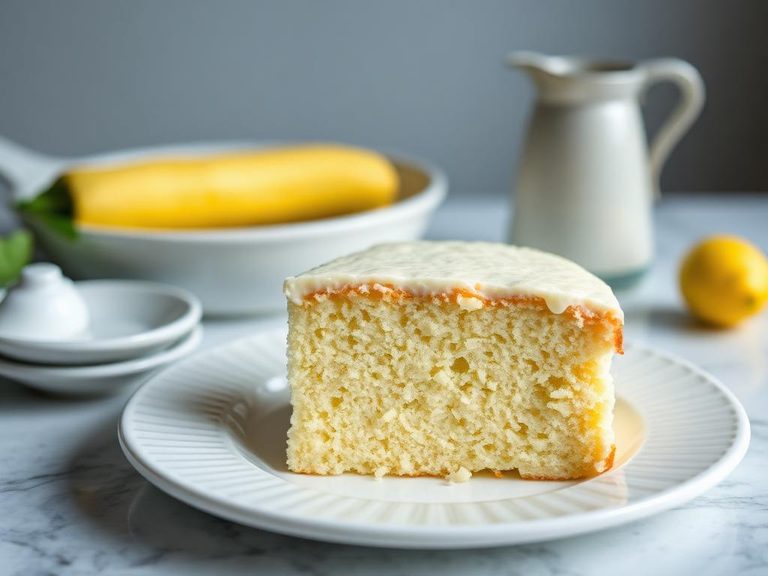
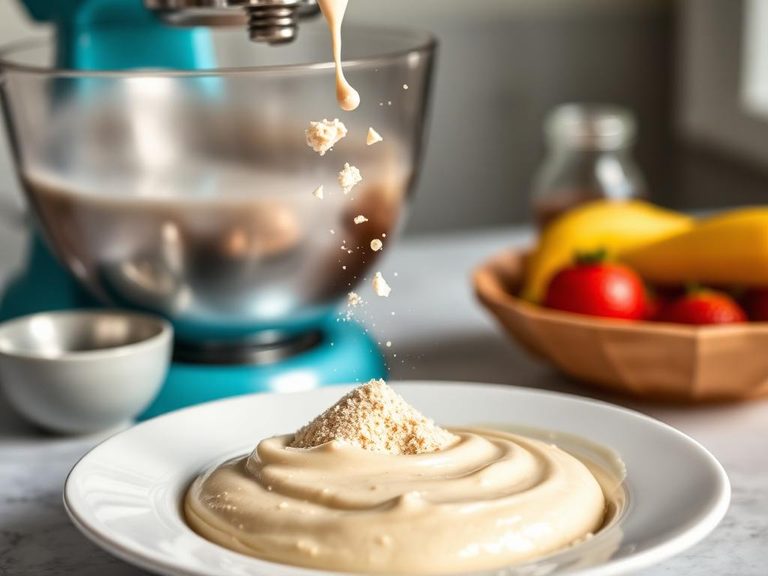
Light cake batter is a raw, edible batter made from a base of flour, sugar, eggs, and butter or oil, often with added vanilla and milk. Unlike traditional cake batter, it is typically made with pasteurized eggs and heat-treated flour to be safe for consumption without baking. It is a popular treat in American home baking, often enjoyed as a nostalgic indulgence before the cake goes into the oven.
🍽️ Nutrition at a glance
This batter is high in carbohydrates from sugar and flour, and contains moderate fat from butter and eggs. It provides quick energy, some protein from eggs, and small amounts of vitamins like B12 and minerals like iron, with a typical serving containing around 300-400 calories.
Nutrition breakdown
| Calories | 350 kcal |
| Protein | 5 g |
| Carbs | 45 g |
| Fat | 17 g |
| Fiber | 0.5 g |
| Sugar | 30 g |
| Sodium | 150 mg |
| Calcium | 40 mg |
| Iron | 1.5 mg |
| Potassium | 80 mg |
| Vitamin A | 150 IU |
| Vitamin B12 | 0.3 mcg |
| Riboflavin (B2) | 0.1 mg |
| Phosphorus | 60 mg |
| Selenium | 8 mcg |
Per 1/2 cup (120 g) · estimated, varies by recipe
💡 What's interesting
Culturally, licking the bowl of cake batter is a beloved, nostalgic ritual in many Western households, symbolizing the joy and anticipation of baking. Nutritionally, while it offers a quick energy boost, consuming raw batter carries a minor risk of foodborne illness from raw eggs or flour, which is why modern recipes often use safe, pasteurized ingredients.