First-stage infant puree
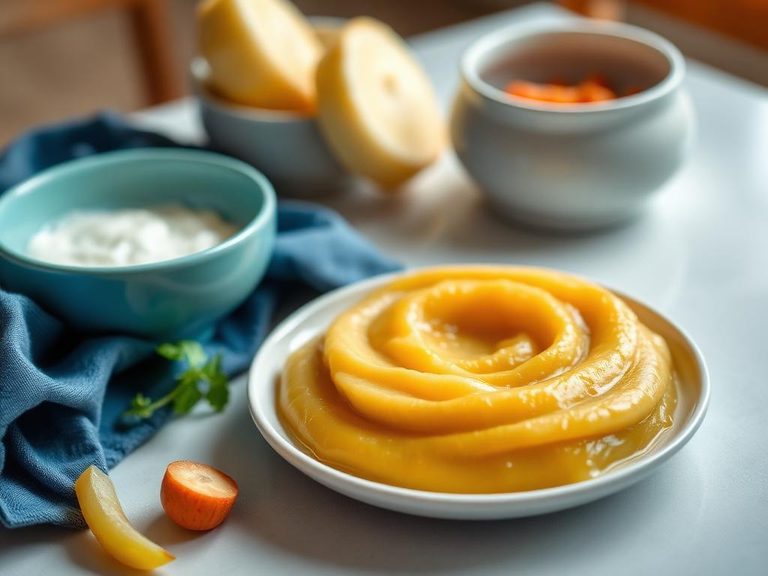
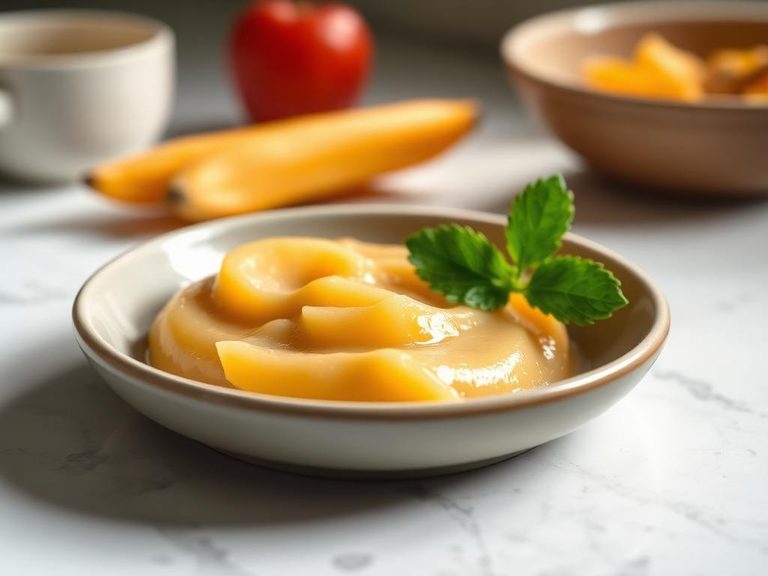
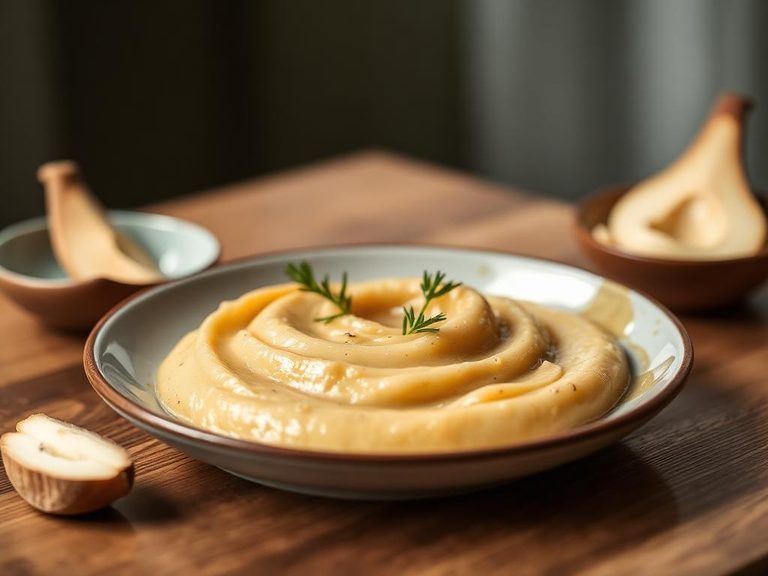
First-stage infant puree is a smooth, single-ingredient food designed as a baby's first solid food, typically introduced around 4-6 months of age. It is usually made from a single fruit or vegetable that has been cooked and blended to a very thin, watery consistency. Common first foods include apples, pears, carrots, sweet potatoes, and peas.
🍽️ Nutrition at a glance
This puree is primarily a source of carbohydrates for quick energy, with very little protein or fat. Its key nutrients are the vitamins and minerals from the specific fruit or vegetable used, such as Vitamin A from carrots or Vitamin C from pears, and it generally has a low calorie count.
Nutrition breakdown
| Calories | 45 kcal |
| Protein | 0.5 g |
| Carbs | 10 g |
| Fat | 0 g |
| Fiber | 2 g |
| Sugar | 6 g |
| Sodium | 10 mg |
| Vitamin A | 150 mcg RAE |
| Vitamin C | 15 mg |
| Potassium | 180 mg |
| Iron | 0.5 mg |
| Calcium | 10 mg |
| Vitamin B6 | 0.1 mg |
| Folate | 15 mcg DFE |
| Manganese | 0.2 mg |
Per 1 jar (113 g) · estimated, varies by recipe
💡 What's interesting
Nutritionally interesting is that these purees are often the first exposure to flavors and textures outside of milk, playing a role in developing a baby's palate. Culturally, the choice of first foods can vary widely, from rice cereal in Asia to avocado or banana in other regions.