Fig-filled pastry bars

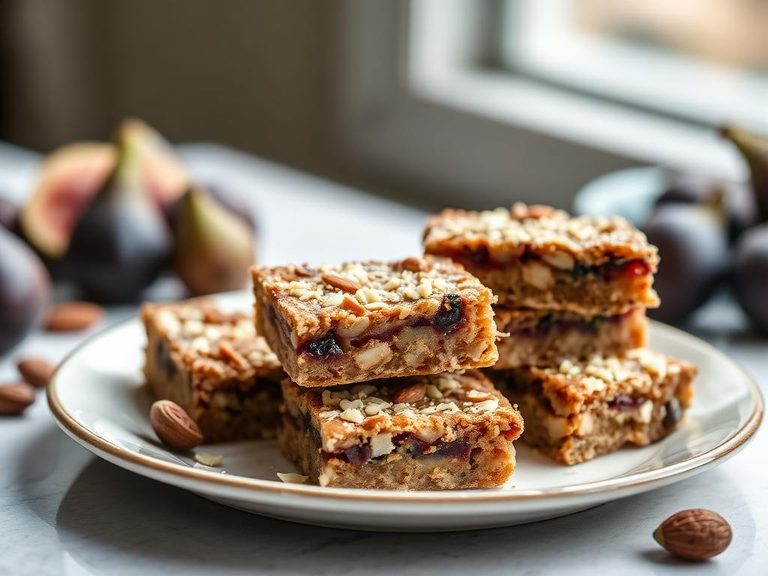
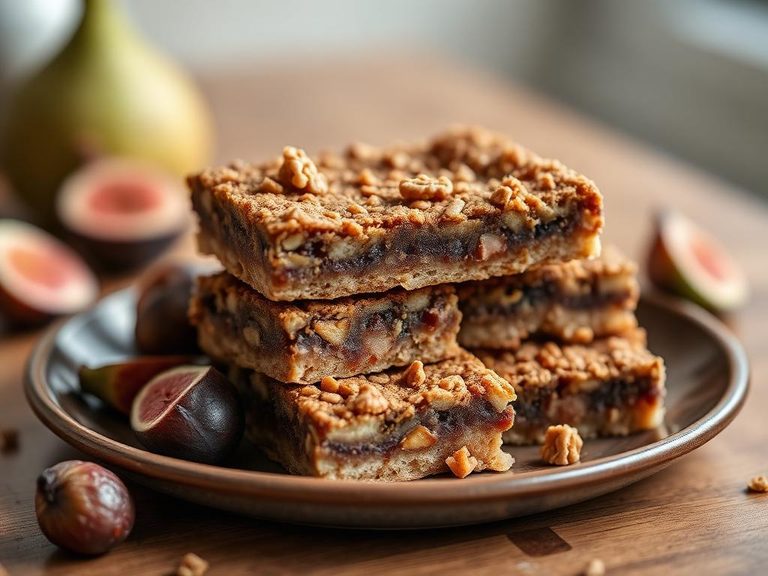
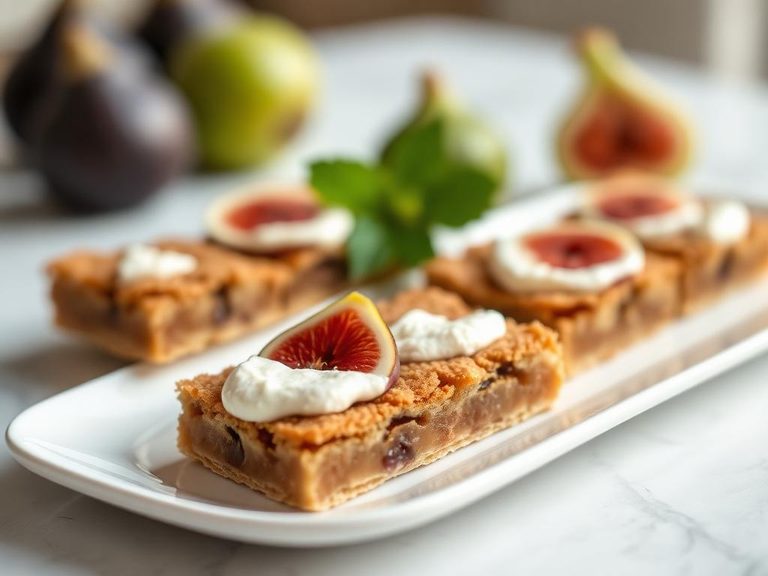
Fig-filled pastry bars are a sweet, dense treat made by wrapping a thick, spiced fig paste in a buttery, flaky pastry crust. The filling typically includes dried figs, nuts like walnuts or almonds, sweeteners such as honey or sugar, and warm spices like cinnamon or anise. This dessert has roots in Mediterranean and Middle Eastern cuisines, with popular variations found in Greece, Turkey, and across the Levant.
🍽️ Nutrition at a glance
These bars are high in carbohydrates and natural sugars from the figs, with a moderate amount of healthy fats from the pastry and nuts. They provide a good source of dietary fiber, potassium, and antioxidants, with a typical serving containing around 200-300 calories.
Nutrition breakdown
| Calories | 380 kcal |
| Protein | 5 g |
| Carbs | 55 g |
| Fat | 16 g |
| Fiber | 4 g |
| Sugar | 30 g |
| Sodium | 180 mg |
| Potassium | 250 mg |
| Iron | 2.5 mg |
| Calcium | 80 mg |
| Magnesium | 40 mg |
| Phosphorus | 75 mg |
| Vitamin B6 | 0.15 mg |
| Niacin (B3) | 2 mg |
| Manganese | 0.8 mg |
Per 2 bars (100 g) · estimated, varies by recipe
💡 What's interesting
Culturally, fig-filled pastries are often associated with celebrations and religious holidays, such as Easter in Greece. Nutritionally, the combination of figs and nuts offers a sustained energy release, making them a traditional choice for a quick, nourishing snack.