Fat-free cakes and muffins
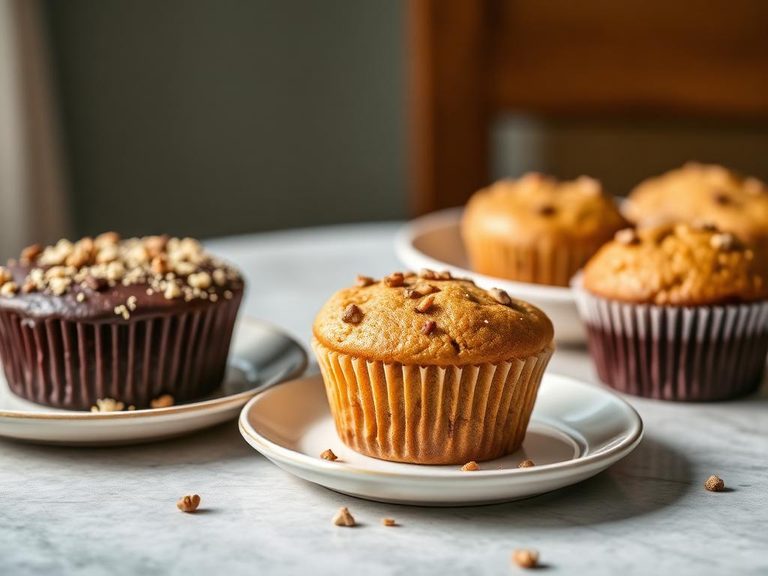
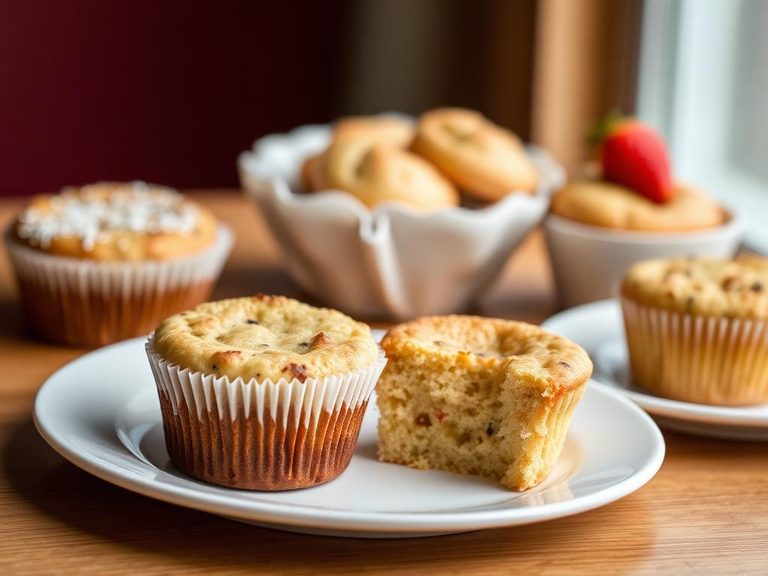
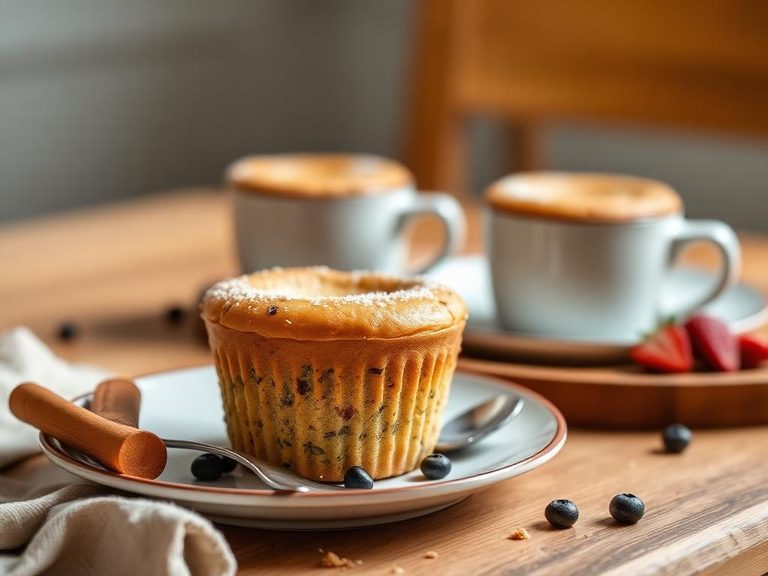
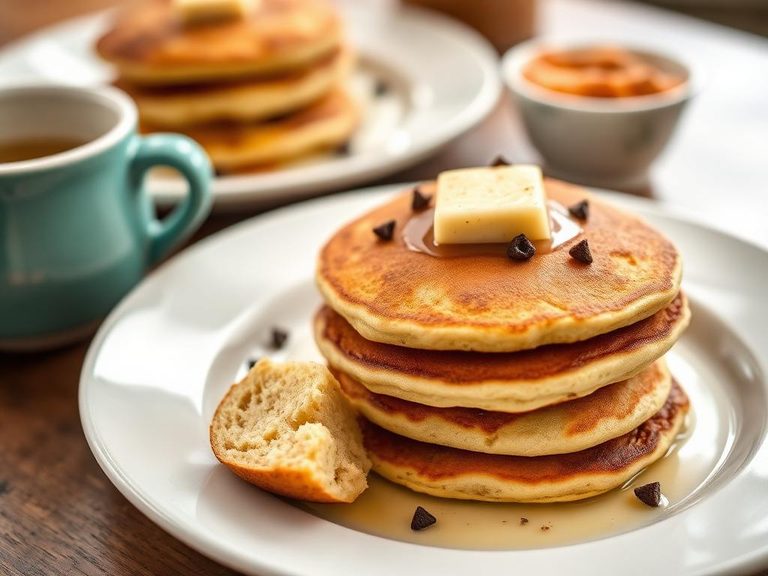
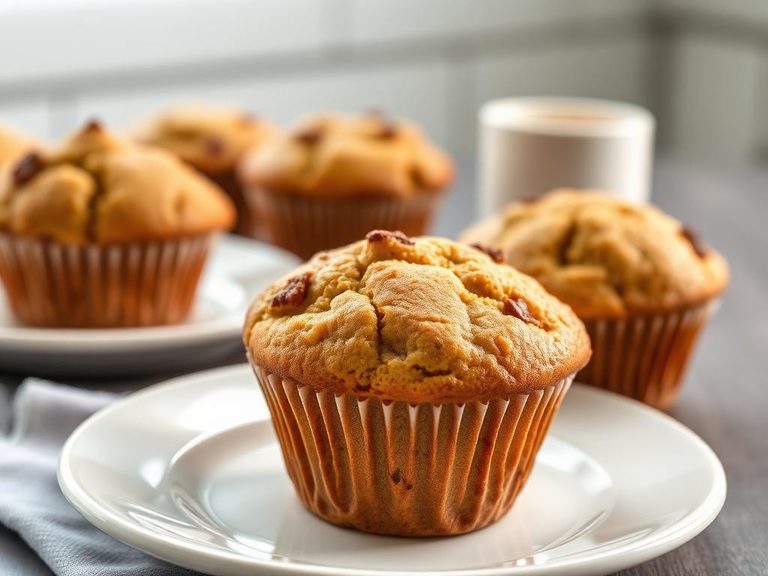
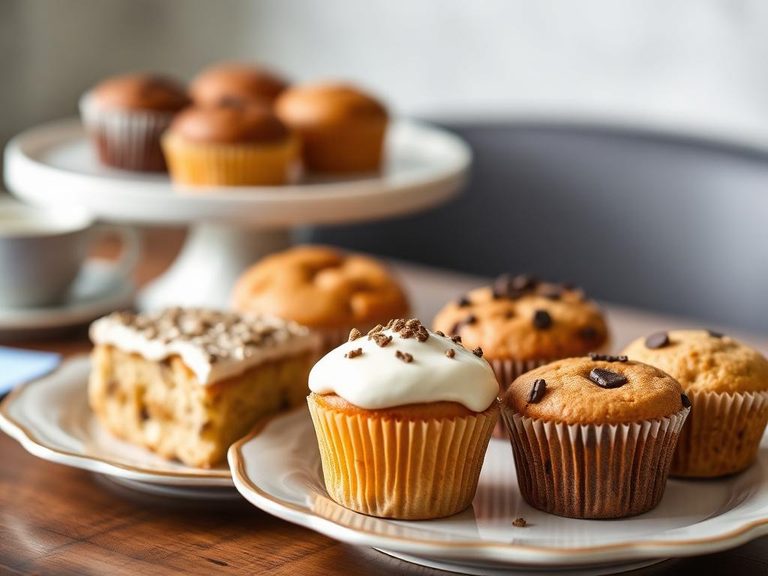
Fat-free cakes and muffins are baked goods specifically formulated to contain zero grams of fat, often by substituting traditional fats like butter or oil with fruit purees or other fat-free ingredients. They are typically made from flour, sugar, eggs, and leavening agents, with applesauce or pumpkin puree often used to maintain moisture. These treats are a popular choice for those seeking lower-calorie dessert or snack options.
🍽️ Nutrition at a glance
These baked goods are primarily high in carbohydrates and sugars, with a modest amount of protein from flour and eggs. A typical serving provides roughly 150-250 calories, along with key nutrients like iron and B vitamins from enriched flour, though they are generally low in fat and fiber.
Nutrition breakdown
| Calories | 180 kcal |
| Protein | 3 g |
| Carbs | 38 g |
| Fat | 0 g |
| Fiber | 1 g |
| Sugar | 18 g |
| Sodium | 220 mg |
| Iron | 1.5 mg |
| Thiamin (B1) | 0.2 mg |
| Niacin (B3) | 1.8 mg |
| Folate | 45 mcg |
| Potassium | 90 mg |
| Calcium | 60 mg |
| Phosphorus | 80 mg |
| Magnesium | 10 mg |
Per 1 muffin (85 g) · estimated, varies by recipe
💡 What's interesting
Fat-free baking became a significant trend in the late 20th century, particularly in the United States, as a response to dietary guidelines emphasizing low-fat consumption. Nutritionally, they are unique because they rely on the natural moisture and binding properties of fruits or vegetables to achieve a palatable texture without added fats.